
School Allergy Safety: Protecting Kids from Common Triggers in the Classroom
When we talk about school allergy safety, the systems and practices schools use to protect students from allergic reactions that can turn deadly. Also known as allergy management in education settings, it’s not just about banning peanuts—it’s about having clear plans, trained staff, and quick access to life-saving tools. Every year, thousands of children have allergic reactions at school, and many of these could be prevented with better awareness and preparation.
Food allergies, the body’s immune system overreacting to harmless proteins in foods like milk, eggs, peanuts, tree nuts, soy, wheat, fish, and shellfish. Also known as IgE-mediated food reactions, they are the most common cause of severe reactions in school settings. A child might not even eat the allergen—just touching a surface that had peanut butter on it, or breathing in steam from cooking shellfish, can trigger symptoms. That’s why epinephrine auto-injector, a handheld device that delivers a measured dose of adrenaline to reverse anaphylaxis. Also known as EpiPen or Auvi-Q, it’s the only treatment that can stop a fatal reaction in minutes. Schools that keep these on hand and train staff to use them cut emergency room visits by more than half.
It’s not enough to have the medicine. You need a written allergy action plan, a doctor-signed document that details a child’s specific triggers, symptoms, and emergency steps. Also known as individualized health plan or IHP, it’s the legal backbone of school safety. Without it, even the best-intentioned teacher might hesitate to act. Parents often don’t realize that schools aren’t required to carry epinephrine unless the child’s plan says so. And many schools still don’t train all staff—just the nurse. But reactions don’t wait for office hours. A lunchroom aide, bus driver, or substitute teacher might be the first to see a child struggling to breathe.
What about non-food triggers? latex allergies, reactions to natural rubber found in gloves, balloons, and some toys. Also known as Type I hypersensitivity to latex proteins, they’re less common now but still dangerous in classrooms where rubber items are used. And then there’s anaphylaxis prevention, the full set of strategies—education, environmental control, emergency readiness—that stop reactions before they start. Also known as allergy risk reduction, it’s the real goal of every school safety program. This means cleaning desks after meals, storing allergens separately, checking ingredient labels on art supplies, and making sure kids know not to share food. It’s not about fear—it’s about control. You can’t eliminate every risk, but you can build layers of protection so one mistake doesn’t become a tragedy.
Parents, teachers, and school nurses working together make the difference. One school in Ohio reduced allergy-related emergencies by 78% in two years just by training every staff member, posting allergy lists in classrooms, and keeping epinephrine in every grade-level supply closet—not just the nurse’s office. That’s the kind of change that happens when safety isn’t an afterthought. What you’ll find below are real, practical guides on how to handle food allergies in the classroom, how to use an epinephrine auto-injector correctly, what to do when a child has a reaction, and how to make sure your school’s plan actually works when it matters most.
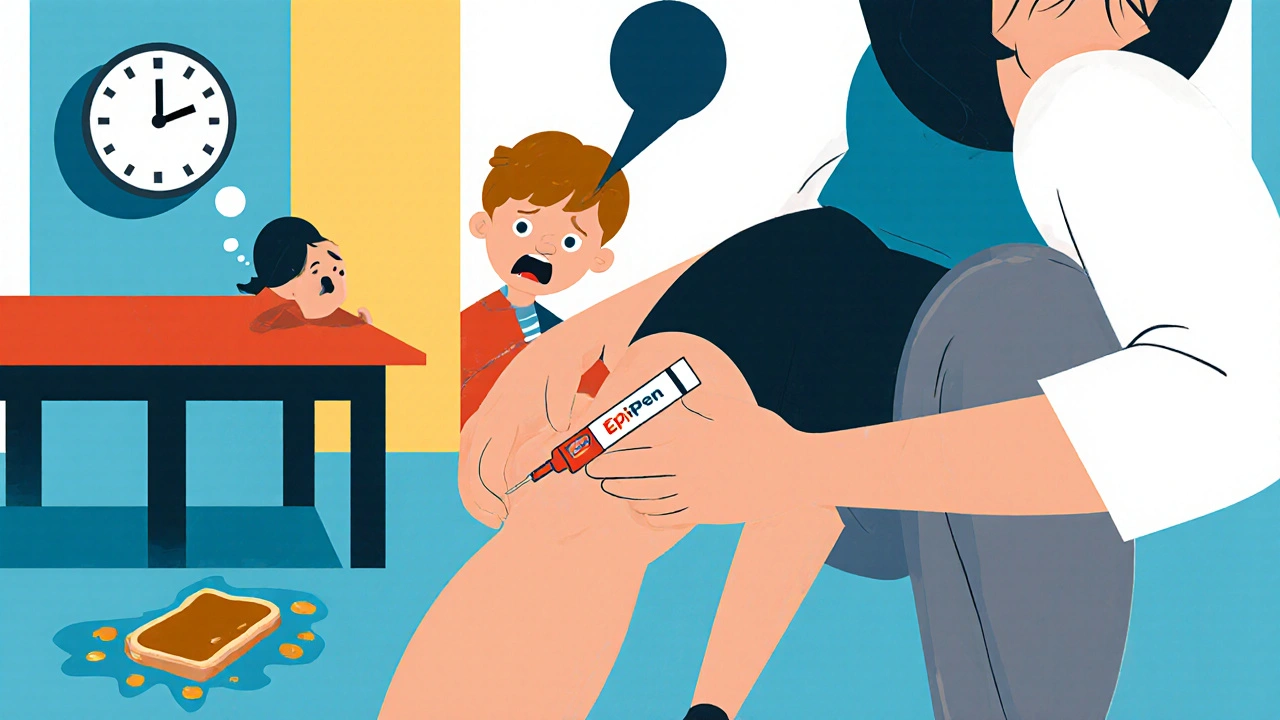
Epinephrine Auto-Injector Training: How to Prevent Mistakes and Save Lives
- Nov, 20 2025
- 13
Epinephrine auto-injector training saves lives-but only if done right. Learn how to prevent deadly mistakes in anaphylaxis response with correct technique, recognition of symptoms, and proven training methods.
Categories
- Health and Medicine (78)
- Health and Wellness (57)
- Medicine (37)
- Women's Health (11)
- Mental Health (10)
- Men's Health (7)
- Beauty and Wellness (4)
- Health Information (4)
Archives
- April 2026 (3)
- March 2026 (11)
- February 2026 (11)
- January 2026 (25)
- December 2025 (28)
- November 2025 (25)
- October 2025 (27)
- September 2025 (14)
- August 2025 (3)
- July 2025 (2)
- June 2025 (2)
- May 2025 (3)
- online pharmacy
- medication safety
- generic drugs
- dietary supplement
- health benefits
- dietary supplements
- prevention
- fertility
- online pharmacy Australia
- side effects
- QT prolongation
- medication side effects
- diabetes medications
- GLP-1 agonists
- nocebo effect
- brand vs generic
- treatment
- treatment options
- benefits
- connection