
Safest Diabetes Drugs for Elderly: Top Choices and What to Avoid
When it comes to managing diabetes in older adults, the goal isn’t just to control blood sugar—it’s to keep them safe. The safest diabetes drugs for elderly, medications chosen to minimize side effects, drug interactions, and hypoglycemia risk in older patients are those that don’t increase fall risk, don’t overload the kidneys, and don’t clash with other common prescriptions. Too many seniors end up on drugs that were fine for younger bodies but are dangerous for aging ones. That’s why doctors now rely on tools like the Beers Criteria, a widely used list of potentially inappropriate medications for older adults to avoid harmful choices. It’s not about using the newest or strongest drug—it’s about using the right one for a body that’s changed.
Many older adults take five or more medications at once—a situation called polypharmacy in elderly, the use of multiple medications that increases the risk of adverse reactions and drug interactions. When you add a diabetes drug to that mix, the chances of something going wrong go up fast. A drug that lowers blood sugar too hard can cause dizziness, confusion, or falls. A drug that’s cleared by the kidneys can build up if those organs are slowing down. That’s why metformin, once the go-to, now needs careful checking of kidney function. And drugs like sulfonylureas? They’re being phased out because they cause dangerous low blood sugar episodes that are harder to recognize in seniors. Instead, newer options like DPP-4 inhibitors and GLP-1 receptor agonists are gaining favor—they’re gentler, don’t cause hypoglycemia on their own, and don’t weigh down the kidneys. Even better, some can help with weight loss and heart protection, which matters a lot in older patients.
But here’s the real secret: sometimes the safest choice isn’t a drug at all—it’s stopping one. That’s where deprescribing, the planned process of reducing or stopping medications that may no longer be needed or are doing more harm than good comes in. Many elderly patients are still taking diabetes meds they don’t need anymore because no one ever reviewed their list. If their A1C is steady at 7.5% and they’re not having symptoms, maybe they don’t need aggressive treatment. Reducing meds can mean fewer side effects, lower costs, and better quality of life. It’s not giving up on care—it’s smarter care. The best diabetes management for seniors isn’t about hitting a number. It’s about keeping them steady, mobile, and out of the hospital. And that starts with picking drugs that fit their whole health picture—not just their glucose levels.
What you’ll find below are real, practical guides written for patients and caregivers who need to know what’s safe, what’s risky, and what to ask their doctor. No fluff. No marketing. Just clear, evidence-backed advice on how to navigate diabetes treatment in older age without falling into common traps.
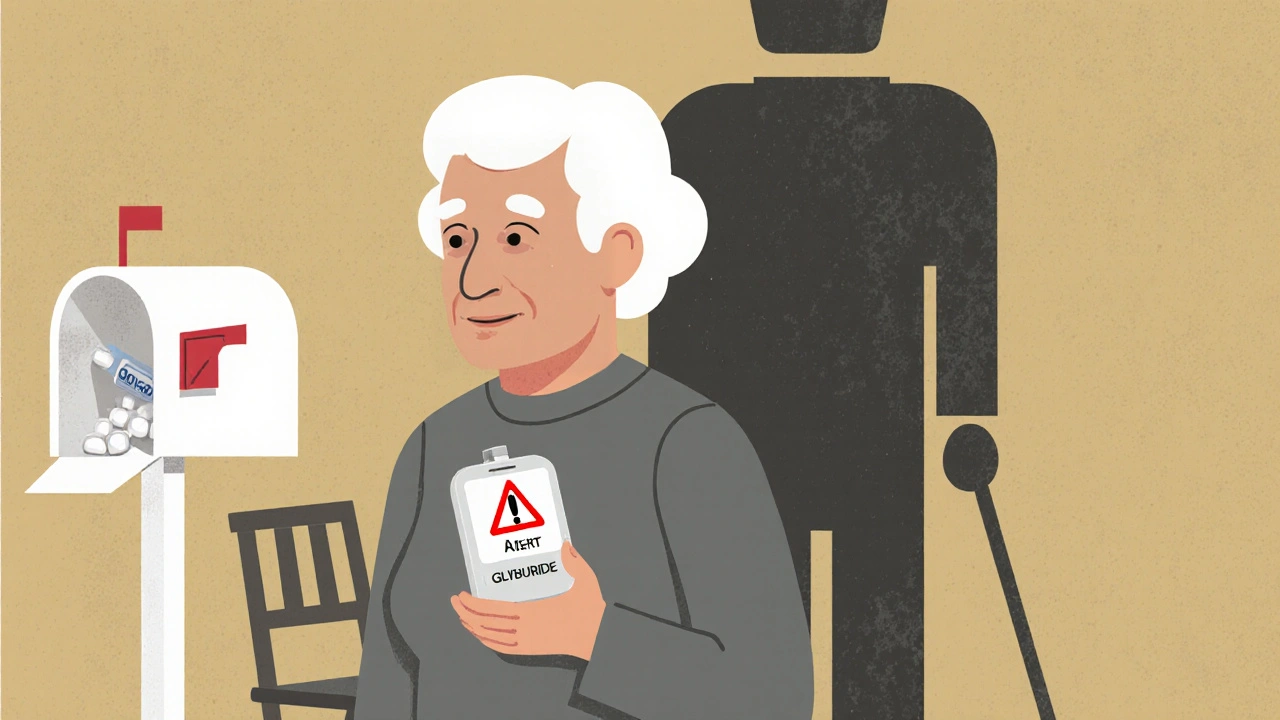
Diabetes Medications for Seniors: How to Prevent Dangerous Low Blood Sugar
- Nov, 13 2025
- 11
Hypoglycemia is the leading cause of diabetes-related emergencies in seniors. Learn which medications are safest, which to avoid, and practical steps families can take to prevent dangerous low blood sugar episodes.
Categories
- Health and Medicine (78)
- Health and Wellness (57)
- Medicine (37)
- Women's Health (11)
- Mental Health (10)
- Men's Health (7)
- Beauty and Wellness (4)
- Health Information (4)
Archives
- April 2026 (3)
- March 2026 (11)
- February 2026 (11)
- January 2026 (25)
- December 2025 (28)
- November 2025 (25)
- October 2025 (27)
- September 2025 (14)
- August 2025 (3)
- July 2025 (2)
- June 2025 (2)
- May 2025 (3)
- online pharmacy
- medication safety
- generic drugs
- dietary supplement
- health benefits
- dietary supplements
- prevention
- fertility
- online pharmacy Australia
- side effects
- QT prolongation
- medication side effects
- diabetes medications
- GLP-1 agonists
- nocebo effect
- brand vs generic
- treatment
- treatment options
- benefits
- connection