
Polypharmacy in Elderly: Risks, Interactions, and Safer Medication Use
When older adults take polypharmacy in elderly, the use of five or more medications at once, often for separate chronic conditions. It’s not just common—it’s expected. But what’s normal isn’t always safe. Many seniors juggle pills for high blood pressure, diabetes, arthritis, heart disease, and depression. Each one helps, but together they can turn into a ticking time bomb. The body changes with age: kidneys slow down, liver metabolism drops, and the brain becomes more sensitive to drug effects. A pill that was fine at 50 can cause dizziness, confusion, or a fall at 75.
One of the biggest dangers is medication interactions, when two or more drugs react in harmful ways inside the body. For example, taking an antacid with an antibiotic like doxycycline can make the antibiotic useless. Or mixing blood thinners like warfarin with certain antibiotics can cause dangerous bleeding. Even something as simple as caffeine can interfere with thyroid meds or antidepressants. And then there’s hypoglycemia in seniors, dangerously low blood sugar caused by diabetes drugs like glyburide—a top reason older adults end up in the ER. These aren’t rare side effects. They’re predictable, preventable, and happening every day.
It’s not just about what’s in the bottle—it’s about who’s managing it. A cardiologist prescribes one drug, a rheumatologist adds another, a psychiatrist throws in a third, and the primary care doctor might not even know all of them. No one is looking at the full picture. That’s why geriatric pharmacology, the specialized study of how drugs affect older bodies matters. It’s not just dosage adjustments. It’s knowing which drugs to avoid entirely in seniors, like certain anticholinergics that cause memory fog, or NSAIDs that strain the kidneys. It’s asking: Is this pill still needed? Could a simpler fix work? Is there a safer alternative?
The posts below aren’t just about pills—they’re about survival. You’ll find real-world guidance on avoiding deadly interactions, recognizing when a drug is doing more harm than good, and how families can step in to protect aging loved ones. From how diabetes meds can crash blood sugar to why calcium supplements ruin osteoporosis treatment, each article cuts through the noise. No fluff. No theory. Just what works, what doesn’t, and what to ask your doctor tomorrow.
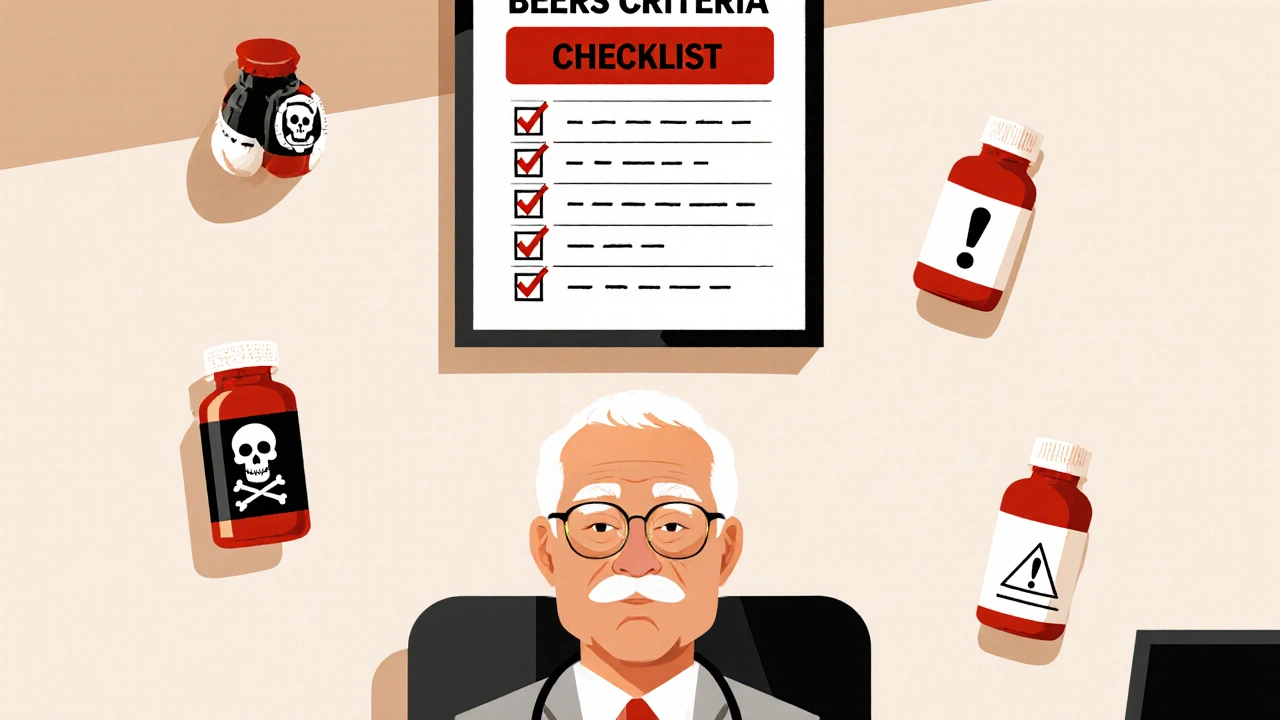
Geriatric Medication Safety: How to Protect Elderly Patients from Harmful Drugs
- Nov, 21 2025
- 15
Geriatric medication safety is critical for protecting older adults from harmful drug interactions. Learn how the Beers Criteria, deprescribing, and pharmacist-led teams are reducing hospitalizations and improving care for seniors.
Categories
- Health and Medicine (78)
- Health and Wellness (57)
- Medicine (37)
- Women's Health (11)
- Mental Health (10)
- Men's Health (7)
- Beauty and Wellness (4)
- Health Information (4)
Archives
- April 2026 (3)
- March 2026 (11)
- February 2026 (11)
- January 2026 (25)
- December 2025 (28)
- November 2025 (25)
- October 2025 (27)
- September 2025 (14)
- August 2025 (3)
- July 2025 (2)
- June 2025 (2)
- May 2025 (3)
- online pharmacy
- medication safety
- generic drugs
- dietary supplement
- health benefits
- dietary supplements
- prevention
- fertility
- online pharmacy Australia
- side effects
- QT prolongation
- medication side effects
- diabetes medications
- GLP-1 agonists
- nocebo effect
- brand vs generic
- treatment
- treatment options
- benefits
- connection