
PIMs: What They Are and Why They Matter in Medication Safety
When you or a loved one is taking multiple medications, PIMs, potentially inappropriate medications that carry more risk than benefit, especially in older adults. Also known as inappropriate prescribing, these are drugs that doctors may still prescribe—even though safer, equally effective options exist. PIMs aren’t always obvious. A pill that’s fine for a 30-year-old might be dangerous for someone over 65. The problem isn’t always the drug itself—it’s the mismatch between the patient’s age, health, and what the medicine does to their body.
PIMs often show up in people managing chronic conditions like high blood pressure, diabetes, or arthritis. Think of medications like long-term benzodiazepines for sleep, or NSAIDs like diclofenac for pain in someone with kidney issues. These aren’t mistakes in the traditional sense—they’re common practices that haven’t caught up with modern safety guidelines. Beers Criteria, a widely used list of potentially inappropriate medications for older adults developed by the American Geriatrics Society helps doctors spot these risks. But even with tools like this, PIMs slip through. Why? Because symptoms get misread, side effects are ignored, or a new drug is added without reviewing the full list. And when PIMs interact with other meds—like antacids reducing antibiotic absorption or warfarin reacting with antibiotics—the danger multiplies.
It’s not just about avoiding bad drugs. It’s about recognizing when a drug that once helped is now doing more harm. That’s why posts on this page cover real cases: how mupirocin resistance builds from overuse, why anticholinergics increase dementia risk, how certain diabetes drugs cause dangerous low blood sugar in seniors, and why some antipsychotics can trigger deadly reactions like Neuroleptic Malignant Syndrome. You’ll find guides on how to talk to your pharmacist about substitutions, how to track interactions between common meds, and what to ask when a new prescription lands on your kitchen counter. These aren’t theoretical concerns. They’re daily risks for millions. The goal here isn’t to scare you—it’s to give you the tools to ask the right questions before the next pill is handed to you.
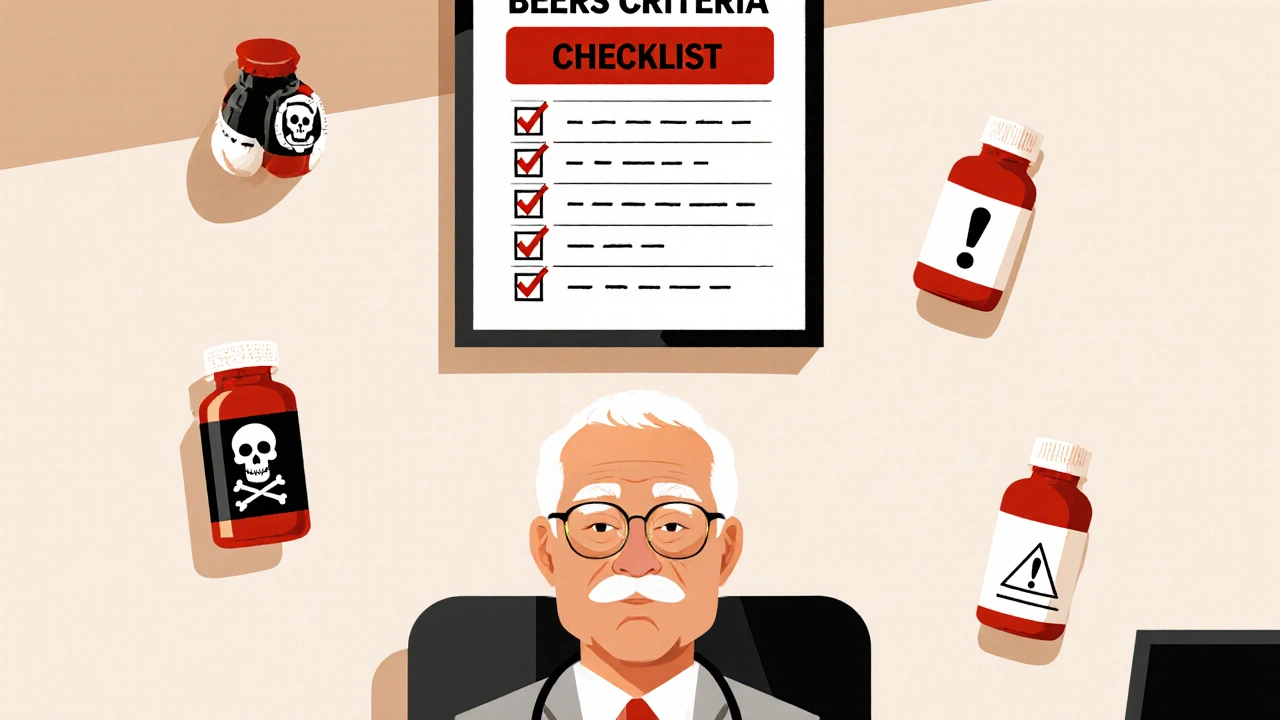
Geriatric Medication Safety: How to Protect Elderly Patients from Harmful Drugs
- Nov, 21 2025
- 15
Geriatric medication safety is critical for protecting older adults from harmful drug interactions. Learn how the Beers Criteria, deprescribing, and pharmacist-led teams are reducing hospitalizations and improving care for seniors.
Categories
- Health and Medicine (78)
- Health and Wellness (57)
- Medicine (37)
- Women's Health (11)
- Mental Health (10)
- Men's Health (7)
- Beauty and Wellness (4)
- Health Information (4)
Archives
- April 2026 (3)
- March 2026 (11)
- February 2026 (11)
- January 2026 (25)
- December 2025 (28)
- November 2025 (25)
- October 2025 (27)
- September 2025 (14)
- August 2025 (3)
- July 2025 (2)
- June 2025 (2)
- May 2025 (3)
- online pharmacy
- medication safety
- generic drugs
- dietary supplement
- health benefits
- dietary supplements
- prevention
- fertility
- online pharmacy Australia
- side effects
- QT prolongation
- medication side effects
- diabetes medications
- GLP-1 agonists
- nocebo effect
- brand vs generic
- treatment
- treatment options
- benefits
- connection