
Pharmacist Substitution Rules: What You Need to Know About Drug Swaps
When your pharmacist hands you a different pill than what your doctor prescribed, it’s not a mistake—it’s pharmacist substitution rules, the legal framework allowing pharmacists to swap brand-name drugs for generic equivalents under specific conditions. Also known as generic drug substitution, this practice is designed to cut costs without sacrificing safety—when done right. But not all substitutions are safe, and not all states allow the same swaps. Some drugs can’t be switched at all, and even small changes in formulation can cause big problems, especially for seniors on multiple meds or people with conditions like epilepsy or thyroid disease.
These rules tie directly to medication interchange, the process of replacing one drug with another that’s considered therapeutically similar. Also known as brand to generic switch, it’s common with drugs like lisinopril or atorvastatin, where generics are nearly identical. But with drugs like levothyroxine or warfarin, even tiny differences in absorption can throw off your entire treatment. That’s why many doctors write "Do Not Substitute" on prescriptions, and why pharmacists are required to check your history before swapping. Pharmacy practice, the daily work of dispensing and advising on medications includes knowing when to question a substitution, when to notify the prescriber, and when to refuse entirely.
What you’ll find in these posts isn’t just theory—it’s real-world guidance from people who’ve dealt with the fallout of bad substitutions. One article shows how mixing antacids with antibiotics can make your treatment fail, another warns about how warfarin interacts with common meds, and several highlight how elderly patients are at highest risk when drug swaps go unnoticed. You’ll see how deprescribing, antibiotic stewardship, and proper labeling aren’t just buzzwords—they’re lifesaving steps tied directly to how substitutions are handled in clinics and pharmacies. Whether you’re managing your own meds, caring for an aging parent, or just trying to avoid a dangerous mix-up, understanding these rules keeps you in control. Below are real stories and practical tips from patients and pharmacists who’ve seen what happens when substitution rules are ignored—or followed correctly.
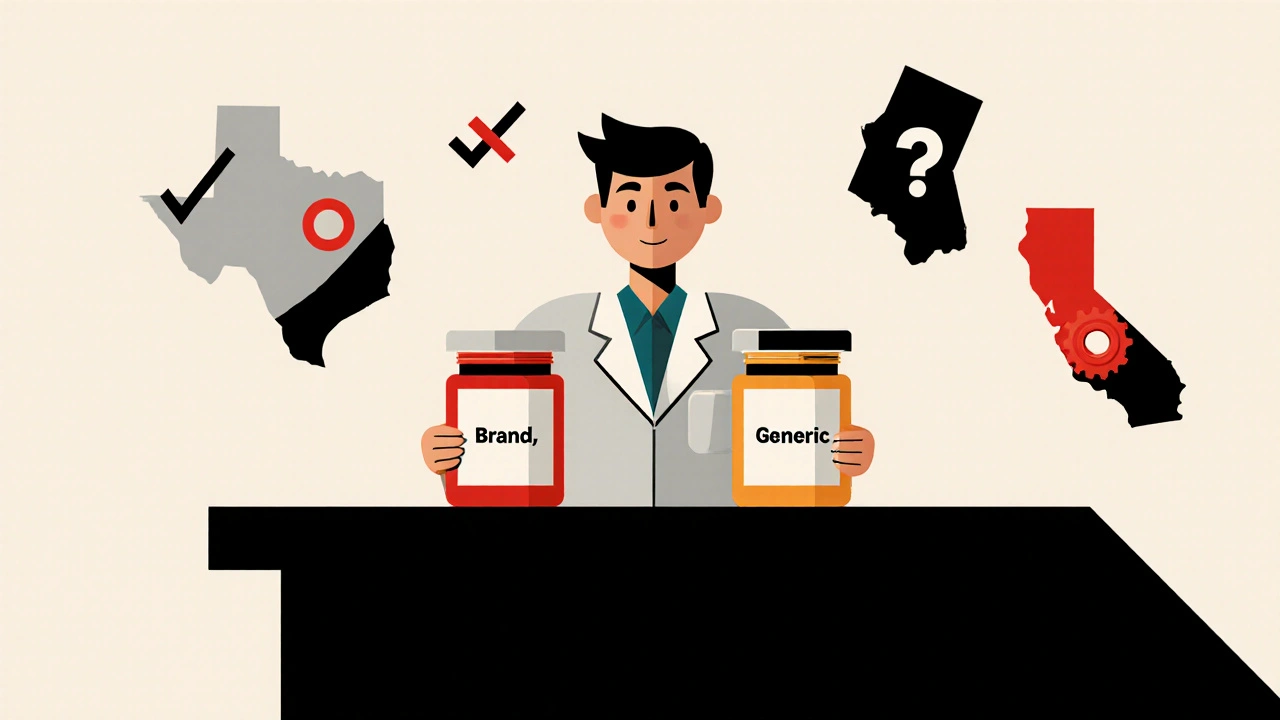
State Laws on Generic Drug Substitution: What Pharmacists and Patients Need to Know
- Nov, 17 2025
- 15
State laws on generic drug substitution vary widely across the U.S., affecting how pharmacists swap brand-name drugs for cheaper generics. Know your rights, your state’s rules, and when substitution could impact your health.
Categories
- Health and Medicine (78)
- Health and Wellness (57)
- Medicine (37)
- Women's Health (11)
- Mental Health (10)
- Men's Health (7)
- Beauty and Wellness (4)
- Health Information (4)
Archives
- April 2026 (3)
- March 2026 (11)
- February 2026 (11)
- January 2026 (25)
- December 2025 (28)
- November 2025 (25)
- October 2025 (27)
- September 2025 (14)
- August 2025 (3)
- July 2025 (2)
- June 2025 (2)
- May 2025 (3)
- online pharmacy
- medication safety
- generic drugs
- dietary supplement
- health benefits
- dietary supplements
- prevention
- fertility
- online pharmacy Australia
- side effects
- QT prolongation
- medication side effects
- diabetes medications
- GLP-1 agonists
- nocebo effect
- brand vs generic
- treatment
- treatment options
- benefits
- connection