
Pediatric Medications: Safe Choices, Common Risks, and What Parents Need to Know
When it comes to pediatric medications, drugs specifically formulated or prescribed for children from newborns to teens. Also known as children's drugs, they’re not just smaller versions of adult pills—they’re a whole different system of dosing, safety checks, and biological responses. Giving a child the wrong dose, the wrong drug, or even the right drug at the wrong time can lead to serious harm. That’s why understanding how these medications work in young bodies matters more than ever.
Pediatric dosing, the precise calculation of medication amounts based on weight, age, and organ function isn’t guesswork. It’s science. A baby’s liver and kidneys process drugs differently than an adult’s. That’s why acetaminophen and ibuprofen have strict weight-based charts, and why some antibiotics like amoxicillin are dosed in milligrams per kilogram. Even drug safety in kids, the ongoing evaluation of how medications affect developing systems changes as kids grow. What’s safe at age 2 might not be at age 10, and some drugs simply shouldn’t be used under 12.
Common mistakes? Giving adult pills cut in half, using expired syrups, mixing cold medicines that contain the same active ingredient, or delaying fever reducers after vaccines because you’re afraid of "masking symptoms." The truth? Fever after vaccines is normal, and giving acetaminophen at the right time can reduce distress without hurting immunity. Meanwhile, antibiotics like amoxicillin are often overprescribed for ear infections that don’t need them, while others like tetracycline can permanently stain developing teeth. And let’s not forget the hidden risks: pediatric side effects, unexpected reactions like agitation from cold meds or yeast infections after antibiotics—they’re more common than you think, and rarely talked about.
This collection pulls together real, practical advice from doctors, pharmacists, and parents who’ve been there. You’ll find clear guides on when to give fever reducers after shots, how to avoid antibiotic-induced yeast infections, what to do when your child gets mouth sores from chemo, and why some diabetes drugs are off-limits for teens. There’s no fluff—just what works, what doesn’t, and what you need to ask your doctor before giving any pill to a child. Whether you’re managing a chronic condition or just dealing with a fever, these posts give you the tools to make smarter, safer choices—one dose at a time.
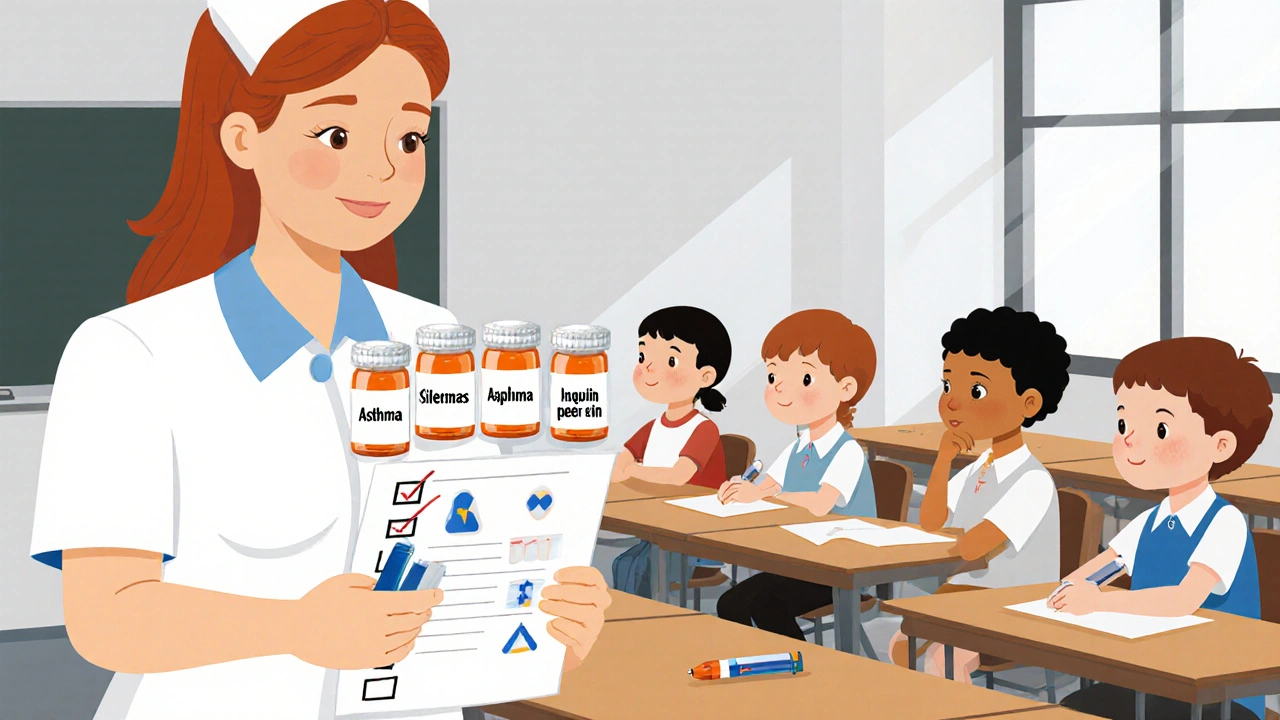
How to Coordinate School Nurses for Daily Pediatric Medications
- Nov, 25 2025
- 12
Learn how school nurses safely coordinate daily pediatric medications using the Five Rights, legal guidelines, and proven protocols to prevent errors and ensure student safety.
Categories
- Health and Medicine (76)
- Health and Wellness (57)
- Medicine (37)
- Women's Health (11)
- Mental Health (10)
- Men's Health (7)
- Beauty and Wellness (4)
- Health Information (4)
Archives
- April 2026 (1)
- March 2026 (11)
- February 2026 (11)
- January 2026 (25)
- December 2025 (28)
- November 2025 (25)
- October 2025 (27)
- September 2025 (14)
- August 2025 (3)
- July 2025 (2)
- June 2025 (2)
- May 2025 (3)
- online pharmacy
- medication safety
- generic drugs
- dietary supplement
- health benefits
- dietary supplements
- prevention
- fertility
- online pharmacy Australia
- side effects
- QT prolongation
- medication side effects
- diabetes medications
- GLP-1 agonists
- nocebo effect
- brand vs generic
- treatment
- treatment options
- benefits
- connection