
NTI Drugs: What They Are, Why They Matter, and How to Use Them Safely
When a medication has a narrow therapeutic index, a small difference between a safe dose and a toxic one. Also known as NTI drugs, these medications demand extreme precision—too little won’t work, too much can land you in the hospital. Think of them like walking a tightrope: one misstep, and things go wrong fast. Unlike most drugs where you can adjust the dose and still be okay, NTI drugs leave almost no room for error.
Common NTI drugs include warfarin, a blood thinner where even minor changes in diet or other meds can spike bleeding risk, digoxin, used for heart rhythm issues but easily overdosed, and phenytoin, an older seizure drug with narrow safety margins. These aren’t rare—many people take them long-term. And they’re often mixed with other drugs that change how the body processes them. Antibiotics, antacids, even grapefruit juice can throw off your levels. That’s why timing, lab tests, and clear communication with your pharmacist matter more than with most medications.
NTI drugs don’t mean you should stop taking them—they mean you need to be smarter about them. Regular blood tests, keeping a list of every pill you take (including supplements), and never skipping a dose or doubling up without asking your doctor are non-negotiable. If your meds change, your dose might need adjusting. If you get sick or start a new drug, your NTI medication could become dangerous overnight. That’s why the posts below cover real-world cases: how antacids interfere with antibiotics like ciprofloxacin, why warfarin and certain drugs increase bleeding risk, and how to avoid deadly interactions with thyroid meds or seizure drugs. You’ll find practical tips on timing doses, recognizing early warning signs, and working with your care team to stay safe. These aren’t theory—they’re the exact issues people face every day when managing high-risk meds.
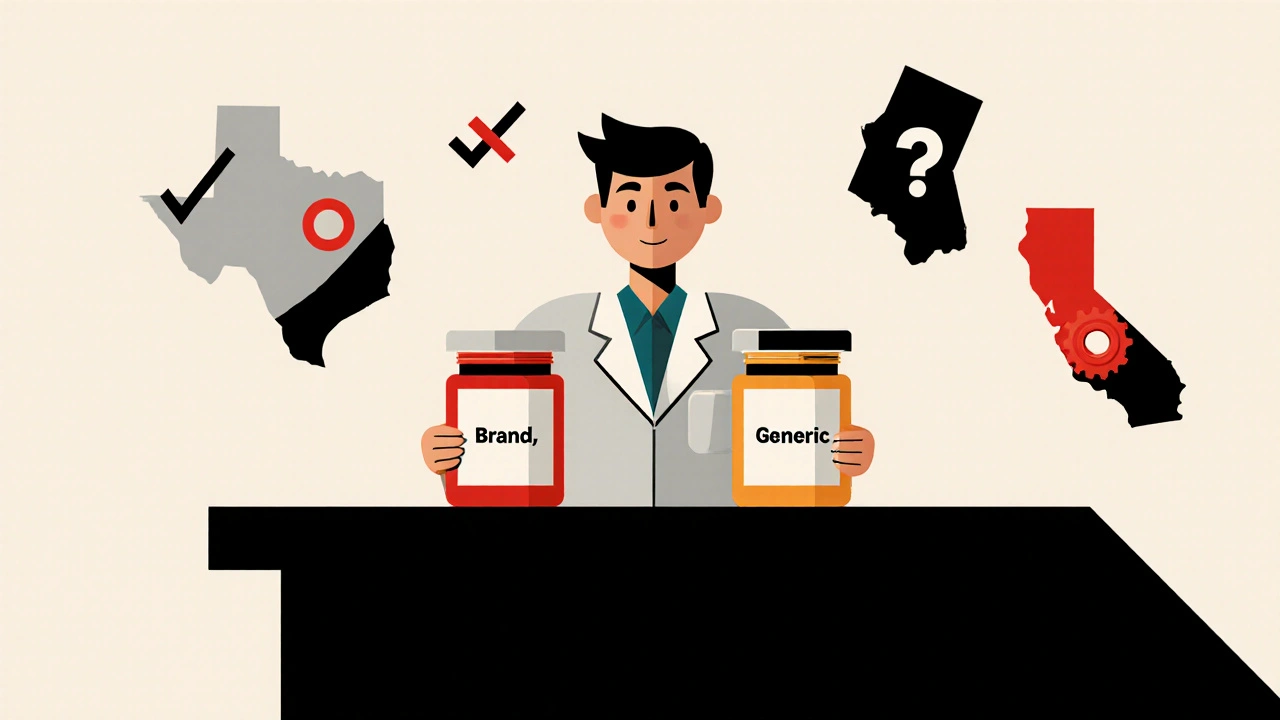
State Laws on Generic Drug Substitution: What Pharmacists and Patients Need to Know
- Nov, 17 2025
- 15
State laws on generic drug substitution vary widely across the U.S., affecting how pharmacists swap brand-name drugs for cheaper generics. Know your rights, your state’s rules, and when substitution could impact your health.
Categories
- Health and Medicine (78)
- Health and Wellness (57)
- Medicine (37)
- Women's Health (11)
- Mental Health (10)
- Men's Health (7)
- Beauty and Wellness (4)
- Health Information (4)
Archives
- April 2026 (3)
- March 2026 (11)
- February 2026 (11)
- January 2026 (25)
- December 2025 (28)
- November 2025 (25)
- October 2025 (27)
- September 2025 (14)
- August 2025 (3)
- July 2025 (2)
- June 2025 (2)
- May 2025 (3)
- online pharmacy
- medication safety
- generic drugs
- dietary supplement
- health benefits
- dietary supplements
- prevention
- fertility
- online pharmacy Australia
- side effects
- QT prolongation
- medication side effects
- diabetes medications
- GLP-1 agonists
- nocebo effect
- brand vs generic
- treatment
- treatment options
- benefits
- connection