
Nicotine Replacement: What It Is, How It Works, and What You Need to Know
When you're trying to quit smoking, your body doesn't just miss the habit—it misses the nicotine, a highly addictive chemical found in tobacco that triggers dopamine release in the brain. Also known as nicotine dependence, this chemical pull is why so many people relapse, even when they're determined to stop. That’s where nicotine replacement, a set of FDA-approved products that deliver controlled doses of nicotine without smoke or tar comes in. It doesn’t cure addiction, but it takes the edge off cravings so you can focus on breaking the behavioral patterns that keep you smoking.
Nicotine replacement isn’t one thing—it’s a group of tools. nicotine patches, slow-release adhesive strips worn on the skin that deliver steady nicotine over 16 or 24 hours are popular for people who want constant relief. nicotine gum, chewed in a specific way to release nicotine through the mouth lining gives you control over timing, which helps when cravings hit suddenly. Then there’s lozenges, inhalers, nasal sprays—each with different speeds and methods of delivery. The key isn’t which one you pick, but whether you use it correctly. Most people use gum like candy, or skip patches on weekends, and wonder why it’s not working.
What most guides don’t tell you is that nicotine replacement works best when paired with real behavioral change. You can have the best patch in the world, but if you still light up after coffee or when stressed, you’re training your brain to associate nicotine with those moments. The real win comes when you stop using the product not because you’re cured, but because you’ve built new habits. Studies show people who combine nicotine replacement with even basic counseling double their chances of quitting for good.
And no, it’s not just for heavy smokers. Even people who smoke half a pack a day get real benefit. The goal isn’t to replace one habit with another forever—it’s to use nicotine replacement as a bridge. Most people taper off in 8 to 12 weeks. Some need longer. That’s okay. The mistake isn’t using it too long—it’s quitting too soon because you think you should be ‘strong enough’ by now.
You’ll see ads claiming miracle cures, or that vaping is just nicotine replacement. It’s not. E-cigarettes deliver nicotine faster and with more variable doses, and they’re not regulated like patches or gum. If you’re trying to quit, stick to the proven options: patches, gum, lozenges. They’re safe, effective, and backed by decades of real-world use.
Below, you’ll find real stories and practical guides from people who’ve been there—how they used nicotine replacement, what worked, what didn’t, and how they finally stayed quit. No fluff. No hype. Just what actually helps when you’re trying to break free.
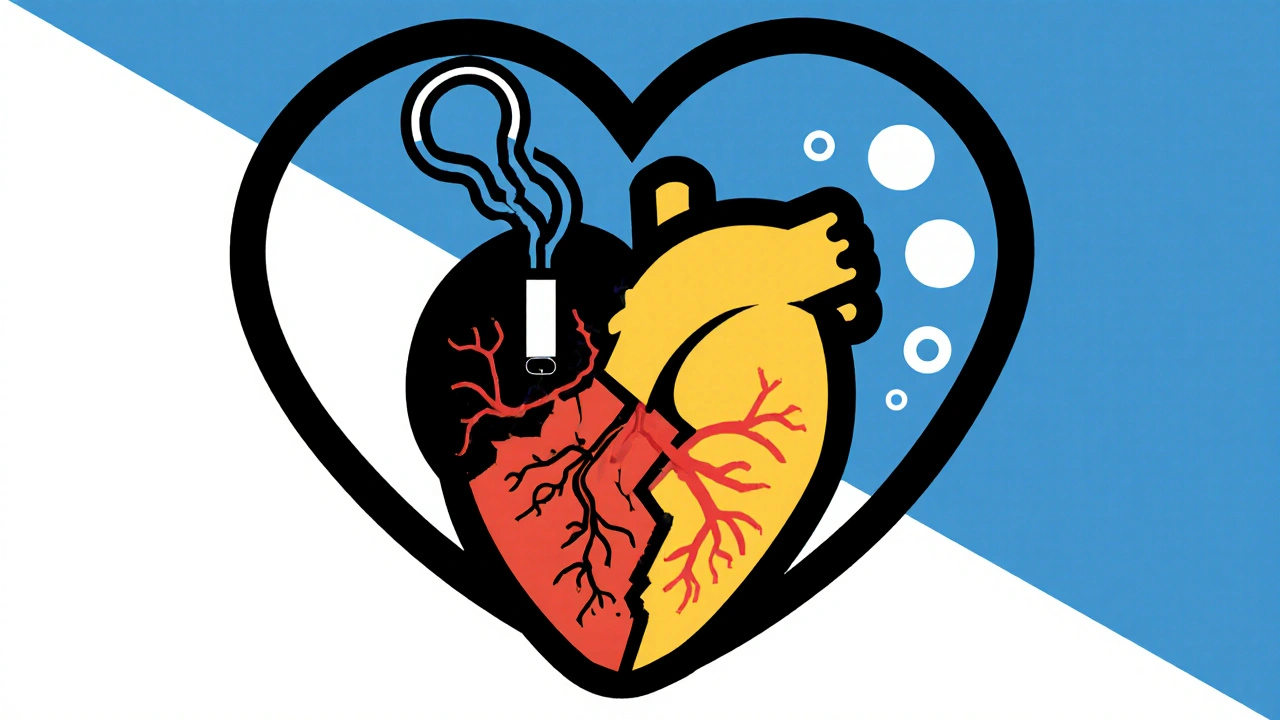
Smoking and Heart Disease: Proven Cessation Strategies That Save Lives
- Nov, 12 2025
- 12
Quitting smoking is the most effective way to reduce heart disease risk. Learn the proven strategies-medications, counseling, and timelines-that can cut your heart attack risk in half within a year.
Categories
- Health and Medicine (78)
- Health and Wellness (57)
- Medicine (37)
- Women's Health (11)
- Mental Health (10)
- Men's Health (7)
- Beauty and Wellness (4)
- Health Information (4)
Archives
- April 2026 (3)
- March 2026 (11)
- February 2026 (11)
- January 2026 (25)
- December 2025 (28)
- November 2025 (25)
- October 2025 (27)
- September 2025 (14)
- August 2025 (3)
- July 2025 (2)
- June 2025 (2)
- May 2025 (3)
- online pharmacy
- medication safety
- generic drugs
- dietary supplement
- health benefits
- dietary supplements
- prevention
- fertility
- online pharmacy Australia
- side effects
- QT prolongation
- medication side effects
- diabetes medications
- GLP-1 agonists
- nocebo effect
- brand vs generic
- treatment
- treatment options
- benefits
- connection