
Mupirocin Resistance: What It Is, Why It Matters, and How It Affects Treatment
When mupirocin resistance, the ability of bacteria to survive despite treatment with the topical antibiotic mupirocin. Also known as Bacitracin-resistant Staphylococcus, it’s no longer just a lab curiosity—it’s showing up in hospitals, nursing homes, and even healthy people’s noses. Mupirocin used to be the go-to for clearing out MRSA from the skin and nostrils before surgery or to stop outbreaks. Now, in some places, more than 30% of MRSA strains don’t respond to it anymore. That’s not a small uptick. It’s a breakdown in a key defense line.
This isn’t just about one drug failing. MRSA, a strain of staph bacteria resistant to methicillin and other common antibiotics is the main driver here. When mupirocin doesn’t work on MRSA, doctors lose one of the few tools they have to stop it from spreading. And topical antibiotics, antibiotics applied directly to the skin to treat or prevent infections like mupirocin are often the first and only option for decolonization—especially in places where oral antibiotics aren’t safe or needed. When they stop working, you’re left with fewer choices, higher costs, and more hospital stays.
It’s not just misuse in hospitals. People using mupirocin ointment for minor cuts, acne, or even as a preventive without a prescription are helping this resistance grow. The bacteria don’t care if you think it’s harmless. They adapt. And now, studies show that even short-term use—like a 5-day course—can trigger resistance that lasts for months. In some intensive care units, mupirocin-resistant MRSA is now more common than the sensitive kind. That means a patient who came in for a routine procedure might leave with an infection that won’t respond to the usual treatment.
What’s next? Doctors are starting to use alternatives like chlorhexidine baths, tea tree oil washes, or even nasal antiseptics like povidone-iodine. But none of them are as easy or as targeted as mupirocin used to be. And none have the same track record. The real fix? Better rules on when to use it, tighter monitoring in hospitals, and stopping over-the-counter use before it gets worse. You can’t treat what you can’t see—and right now, we’re seeing more resistant bugs than ever.
Below, you’ll find real-world guides from doctors, pharmacists, and researchers on how this resistance is changing treatment plans, what alternatives actually work, and how to protect yourself and your family from infections that won’t go away with the old solutions.
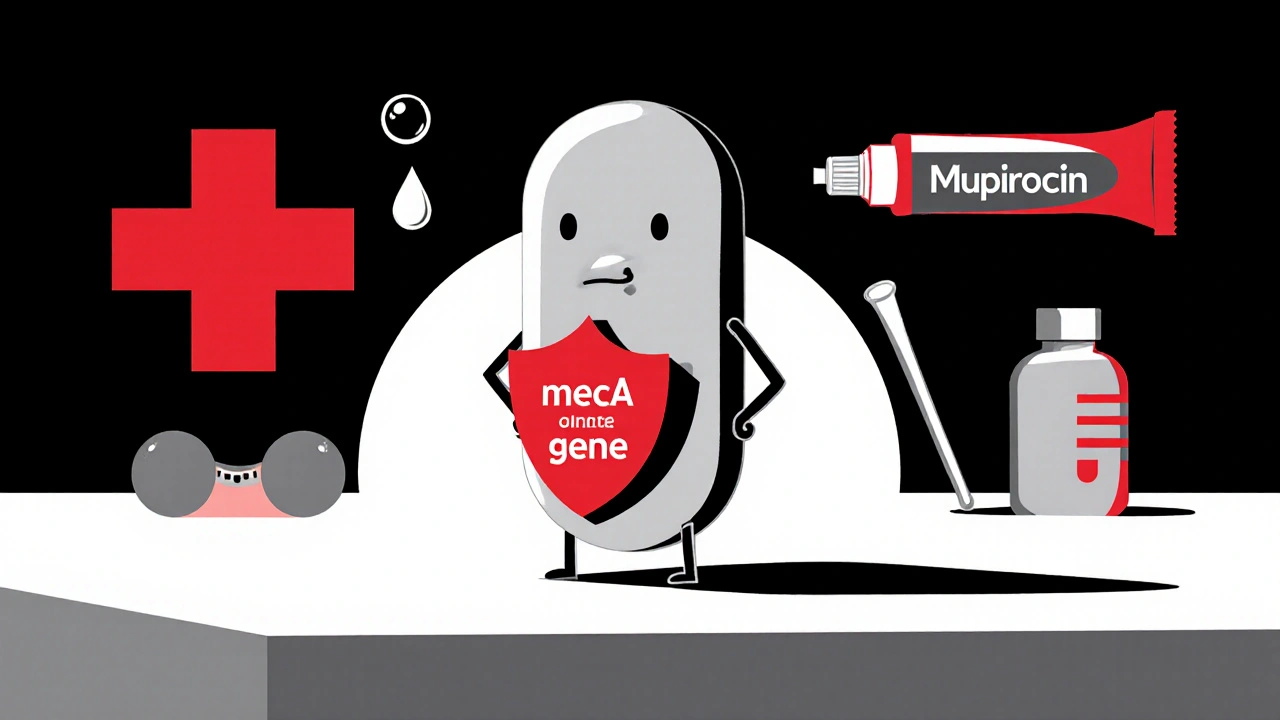
How to Prevent Mupirocin Resistance and Ensure Effective Treatment
- Nov, 18 2025
- 6
Learn how to use mupirocin correctly to prevent resistance and ensure MRSA is truly cleared. Avoid common mistakes that make treatment fail and discover proven alternatives and hygiene practices.
Categories
- Health and Medicine (78)
- Health and Wellness (57)
- Medicine (37)
- Women's Health (11)
- Mental Health (10)
- Men's Health (7)
- Beauty and Wellness (4)
- Health Information (4)
Archives
- April 2026 (3)
- March 2026 (11)
- February 2026 (11)
- January 2026 (25)
- December 2025 (28)
- November 2025 (25)
- October 2025 (27)
- September 2025 (14)
- August 2025 (3)
- July 2025 (2)
- June 2025 (2)
- May 2025 (3)
- online pharmacy
- medication safety
- generic drugs
- dietary supplement
- health benefits
- dietary supplements
- prevention
- fertility
- online pharmacy Australia
- side effects
- QT prolongation
- medication side effects
- diabetes medications
- GLP-1 agonists
- nocebo effect
- brand vs generic
- treatment
- treatment options
- benefits
- connection