
MRSA Prevention: How to Stop Superbug Infections Before They Start
When we talk about MRSA, a type of staph infection that doesn’t respond to common antibiotics like methicillin. Also known as methicillin-resistant Staphylococcus aureus, it’s not just a hospital problem—it’s in gyms, schools, and homes, too. Unlike regular staph, MRSA won’t die with the antibiotics most people reach for. That’s why MRSA prevention isn’t optional—it’s essential.
MRSA spreads through skin-to-skin contact or by touching surfaces contaminated with infected wounds or pus. People with cuts, eczema, or weakened immune systems are at higher risk, but even healthy adults can catch it. Hospitals see it often, but community outbreaks happen too—think wrestlers, locker rooms, or shared towels. The good news? You don’t need fancy gear or expensive products to stop it. Simple habits work: wash your hands with soap and water for 20 seconds, keep wounds covered with clean bandages, and never share razors, towels, or athletic equipment. These aren’t just recommendations—they’re proven shields.
Antibiotic resistance is the root of the problem. When antibiotics are misused or taken incorrectly, bacteria evolve. MRSA is what happens when we’ve overused drugs like penicillin and amoxicillin for too long. That’s why treating a small skin infection with the wrong pill can accidentally create a bigger threat. Prevention stops the cycle before it starts. Clean surfaces with bleach-based cleaners, especially in shared spaces. Shower after sports. Don’t ignore red, swollen, or pus-filled bumps—get them checked early. If you’re in a hospital, ask staff if they’ve washed their hands. It’s not rude—it’s smart.
MRSA prevention ties into other health habits you already know. It’s linked to how you manage wounds, how you use antibiotics, and even how you care for your skin. That’s why posts here cover topics like antibiotic interactions, yeast infections after antibiotics, and patch testing for skin allergies. They all connect. Misusing one drug can weaken your defenses. A tiny rash might be more than irritation—it could be the first sign of something dangerous. And when you’re taking meds for other conditions, like warfarin or diabetes, your body’s ability to fight off bugs changes. Knowing how to protect yourself isn’t just about avoiding infection—it’s about keeping your whole health system strong.
You won’t find magic pills or miracle creams in the articles below. What you will find are real, practical steps backed by clinical experience—how to clean your home after an infection, why some antibiotics make MRSA worse, how to talk to your doctor about skin changes, and what to do if someone in your house gets it. These aren’t theory pages. They’re tools. Use them before you need them.
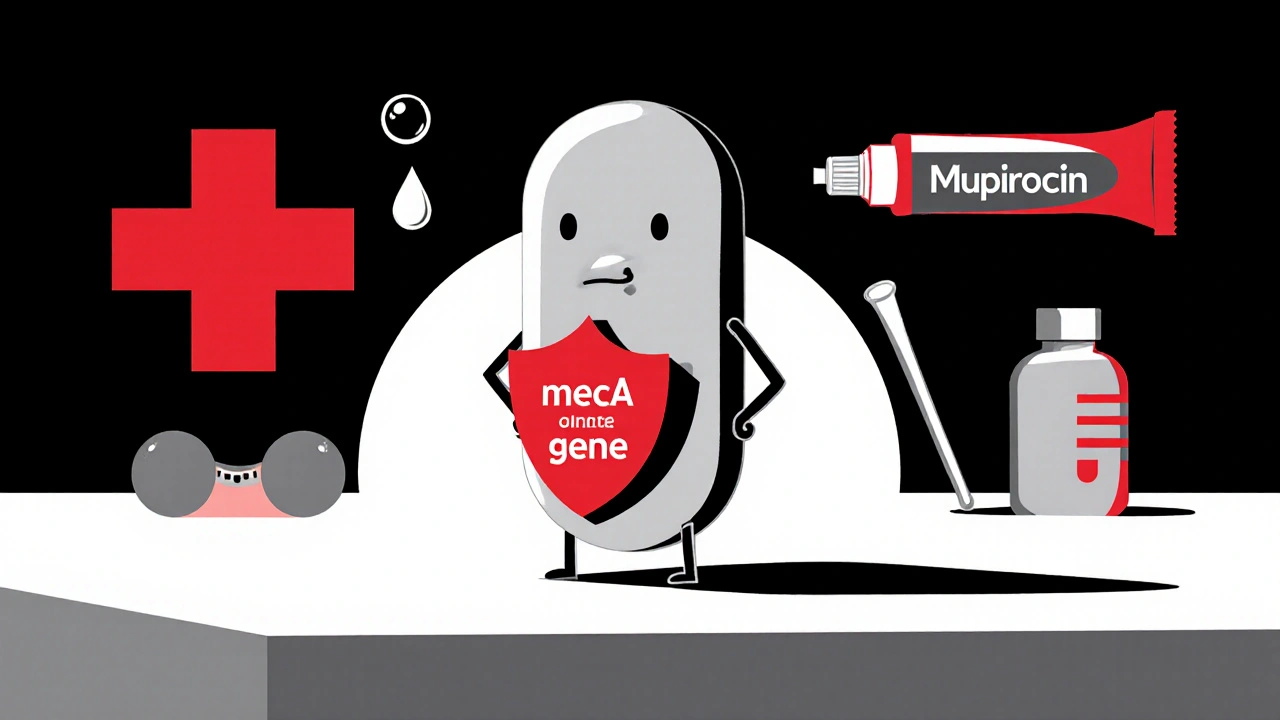
How to Prevent Mupirocin Resistance and Ensure Effective Treatment
- Nov, 18 2025
- 6
Learn how to use mupirocin correctly to prevent resistance and ensure MRSA is truly cleared. Avoid common mistakes that make treatment fail and discover proven alternatives and hygiene practices.
Categories
- Health and Medicine (78)
- Health and Wellness (57)
- Medicine (37)
- Women's Health (11)
- Mental Health (10)
- Men's Health (7)
- Beauty and Wellness (4)
- Health Information (4)
Archives
- April 2026 (3)
- March 2026 (11)
- February 2026 (11)
- January 2026 (25)
- December 2025 (28)
- November 2025 (25)
- October 2025 (27)
- September 2025 (14)
- August 2025 (3)
- July 2025 (2)
- June 2025 (2)
- May 2025 (3)
- online pharmacy
- medication safety
- generic drugs
- dietary supplement
- health benefits
- dietary supplements
- prevention
- fertility
- online pharmacy Australia
- side effects
- QT prolongation
- medication side effects
- diabetes medications
- GLP-1 agonists
- nocebo effect
- brand vs generic
- treatment
- treatment options
- benefits
- connection