
Medication Administration: How to Take Pills Safely and Effectively
When you take a pill, you’re not just swallowing a substance—you’re starting a chain reaction in your body. Medication administration, the process of giving drugs to patients in the right way, at the right time, and in the right form. Also known as drug delivery, it’s the difference between healing and harm. A poorly timed dose, a wrong combination, or even how you swallow your pill can turn a safe treatment into a medical emergency.
It’s not just about popping a tablet. Drug interactions, when one medication changes how another works in your body are behind half of all avoidable hospital visits in older adults. That antacid you take for heartburn? It can stop your antibiotic from working. Your morning coffee? It might make your blood thinner too strong. And dosage timing, when you take your meds relative to meals, sleep, or other drugs isn’t just a suggestion—it’s science. Taking metformin with food cuts stomach upset. Taking warfarin at the same time every day keeps your INR stable. Skipping or shifting doses by even a few hours can undo weeks of progress.
For seniors, medication side effects, unexpected reactions that aren’t listed as common become more dangerous. A drug that’s fine for a 30-year-old can cause falls, confusion, or kidney damage in someone over 65. That’s why tools like the Beers Criteria exist—to flag risky prescriptions for older patients. Parents, too, face unique challenges: giving fever reducers after vaccines isn’t always helpful, and storing breast milk while on meds requires clear labeling. Even something as simple as mouth sores from chemo or skin rashes from antibiotics can be prevented with the right prep.
Medication administration isn’t about following a checklist—it’s about understanding how your body and your drugs interact. It’s knowing when to ask your pharmacist if your new pill clashes with your old one. It’s realizing that a generic isn’t always interchangeable with a brand name, especially for drugs with narrow therapeutic windows. It’s recognizing that a drug meant to help can hurt if you don’t handle it right.
Below, you’ll find real-world guides on exactly how to do this right. Whether you’re managing diabetes, caring for an elderly parent, giving vaccines to your child, or just trying to avoid a yeast infection after antibiotics, the articles here cut through the noise. No fluff. No guesswork. Just clear, proven ways to take your meds safely—so they work, and don’t hurt you.
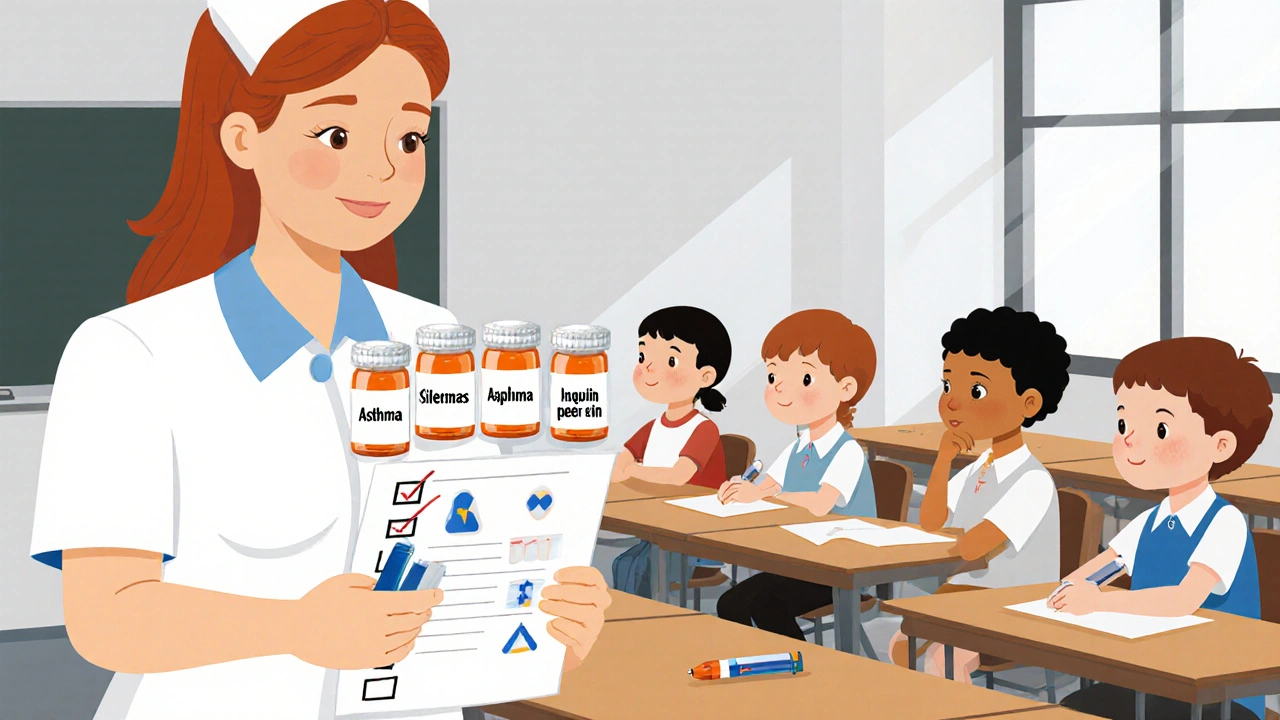
How to Coordinate School Nurses for Daily Pediatric Medications
- Nov, 25 2025
- 12
Learn how school nurses safely coordinate daily pediatric medications using the Five Rights, legal guidelines, and proven protocols to prevent errors and ensure student safety.
Categories
- Health and Medicine (76)
- Health and Wellness (57)
- Medicine (37)
- Women's Health (11)
- Mental Health (10)
- Men's Health (7)
- Beauty and Wellness (4)
- Health Information (4)
Archives
- April 2026 (1)
- March 2026 (11)
- February 2026 (11)
- January 2026 (25)
- December 2025 (28)
- November 2025 (25)
- October 2025 (27)
- September 2025 (14)
- August 2025 (3)
- July 2025 (2)
- June 2025 (2)
- May 2025 (3)
- online pharmacy
- medication safety
- generic drugs
- dietary supplement
- health benefits
- dietary supplements
- prevention
- fertility
- online pharmacy Australia
- side effects
- QT prolongation
- medication side effects
- diabetes medications
- GLP-1 agonists
- nocebo effect
- brand vs generic
- treatment
- treatment options
- benefits
- connection