
Hypoglycemia Prevention: How to Avoid Dangerous Low Blood Sugar Episodes
When your blood glucose, the amount of sugar in your bloodstream drops too low, you don’t just feel shaky—you could pass out, have a seizure, or even need emergency care. Hypoglycemia prevention, the set of actions taken to avoid dangerously low blood sugar levels isn’t just for people with diabetes. It matters if you’re on insulin, certain diabetes pills, or even if you skip meals often and feel dizzy by mid-morning. It’s not about avoiding sugar entirely—it’s about keeping your levels steady.
Most hypoglycemia episodes happen because of a mismatch between food, activity, and medication. Someone taking insulin, a hormone used to lower blood glucose in people with diabetes might not eat enough after an injection. A person using Sulfonylureas, a class of oral diabetes drugs that force the pancreas to release more insulin might not realize their dose is too high for their current diet. Even skipping lunch or going for a long walk without a snack can trigger a crash. The key isn’t guessing—it’s tracking. Regular blood glucose monitoring, checking sugar levels with a glucometer to catch drops before they become dangerous gives you real-time data. It’s the only way to know if your symptoms are from low sugar or something else.
Prevention means planning. Eat balanced meals with protein, fat, and complex carbs—not just carbs alone. Carry fast-acting sugar like glucose tabs or juice boxes when you’re out. Adjust your insulin or medication if you’re more active than usual. Don’t ignore early signs: sweating, hunger, trembling, or confusion. These aren’t just "bad days," they’re warning signals. People who track their patterns over weeks often find triggers they never noticed—like coffee on an empty stomach or alcohol at night. The goal isn’t perfection. It’s consistency. Small, smart choices stop crashes before they start.
Below, you’ll find real-world advice from people who’ve been there—how to time meds with meals, what to do when you’re sick, how to teach family members to help, and which medications increase your risk. These aren’t theory pages. They’re tools you can use tomorrow.
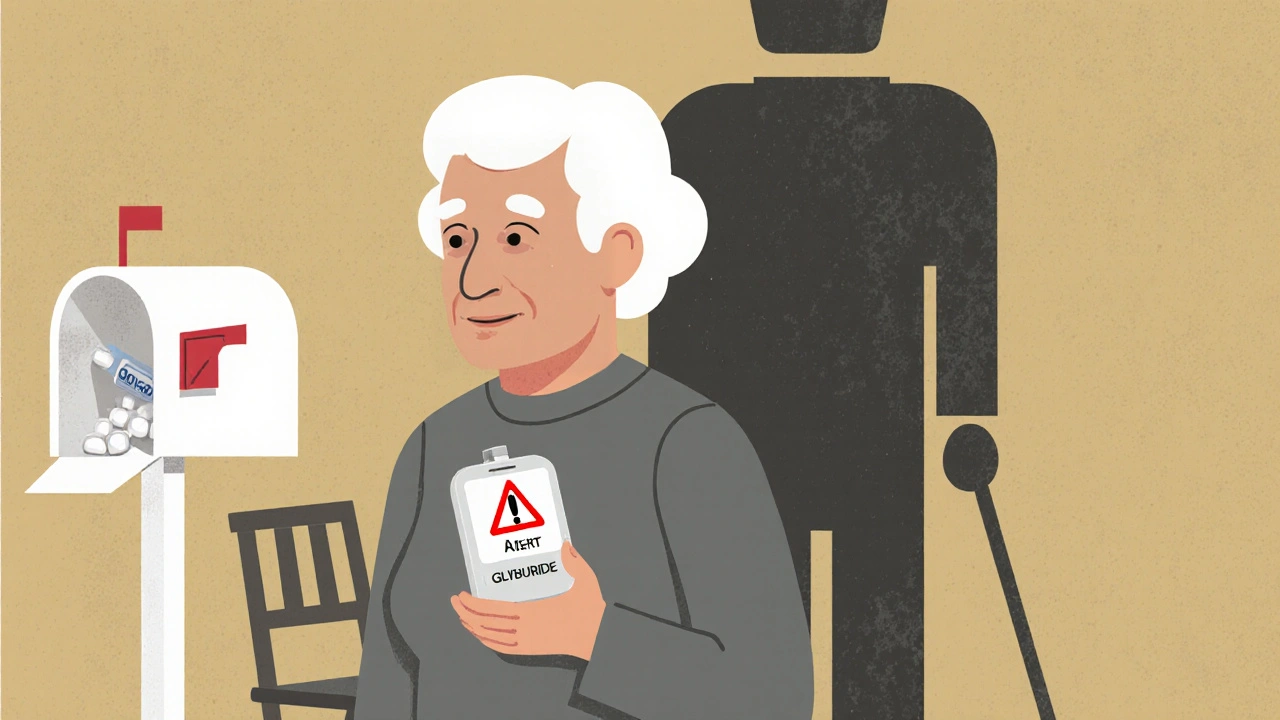
Diabetes Medications for Seniors: How to Prevent Dangerous Low Blood Sugar
- Nov, 13 2025
- 11
Hypoglycemia is the leading cause of diabetes-related emergencies in seniors. Learn which medications are safest, which to avoid, and practical steps families can take to prevent dangerous low blood sugar episodes.
Categories
- Health and Medicine (78)
- Health and Wellness (57)
- Medicine (37)
- Women's Health (11)
- Mental Health (10)
- Men's Health (7)
- Beauty and Wellness (4)
- Health Information (4)
Archives
- April 2026 (3)
- March 2026 (11)
- February 2026 (11)
- January 2026 (25)
- December 2025 (28)
- November 2025 (25)
- October 2025 (27)
- September 2025 (14)
- August 2025 (3)
- July 2025 (2)
- June 2025 (2)
- May 2025 (3)
- online pharmacy
- medication safety
- generic drugs
- dietary supplement
- health benefits
- dietary supplements
- prevention
- fertility
- online pharmacy Australia
- side effects
- QT prolongation
- medication side effects
- diabetes medications
- GLP-1 agonists
- nocebo effect
- brand vs generic
- treatment
- treatment options
- benefits
- connection