
Glyburide Risks: What You Need to Know About Side Effects and Safety
When you take glyburide, a sulfonylurea oral medication used to lower blood sugar in type 2 diabetes. Also known as glibenclamide, it works by forcing your pancreas to release more insulin. But this same mechanism is why it carries serious risks—especially for older adults, those with irregular meals, or people on other medications. The biggest danger? hypoglycemia. Unlike newer diabetes drugs, glyburide doesn’t care if you eat or skip a meal. It just keeps pushing insulin out, which can drop your blood sugar dangerously low—sometimes without warning. You might feel shaky, sweaty, confused, or even pass out. In seniors, this isn’t just uncomfortable; it can lead to falls, heart problems, or hospital stays.
That’s why doctors are moving away from glyburide for older patients. The Beers Criteria, a widely used list of potentially inappropriate medications for seniors specifically flags glyburide because of its long half-life and high hypoglycemia risk. It sticks around in the body longer than newer drugs, so even a small dose can build up over time. Combine that with kidney changes that come with age, and you’ve got a perfect storm. And it’s not just about low blood sugar. Glyburide often causes weight gain, a common side effect of insulin-stimulating drugs, which makes insulin resistance worse. It also interacts badly with common meds like antibiotics, some of which can boost glyburide’s effect and spike hypoglycemia risk—a problem you might not even realize until it’s too late.
People on glyburide often don’t know they’re at risk until they’re already in trouble. If you’re on this drug, ask your doctor: Is this still the best choice for me? Are there safer options like metformin, GLP-1 agonists, or SGLT2 inhibitors? Could you switch to a shorter-acting sulfonylurea? You don’t have to stay on something risky just because it’s cheap or old. The posts below show real cases—how people managed low blood sugar episodes, what interactions to watch for, and how to talk to your pharmacist about safer alternatives. You’ll find practical advice on spotting early signs, protecting yourself at night, and when to push back on a prescription that might be doing more harm than good.
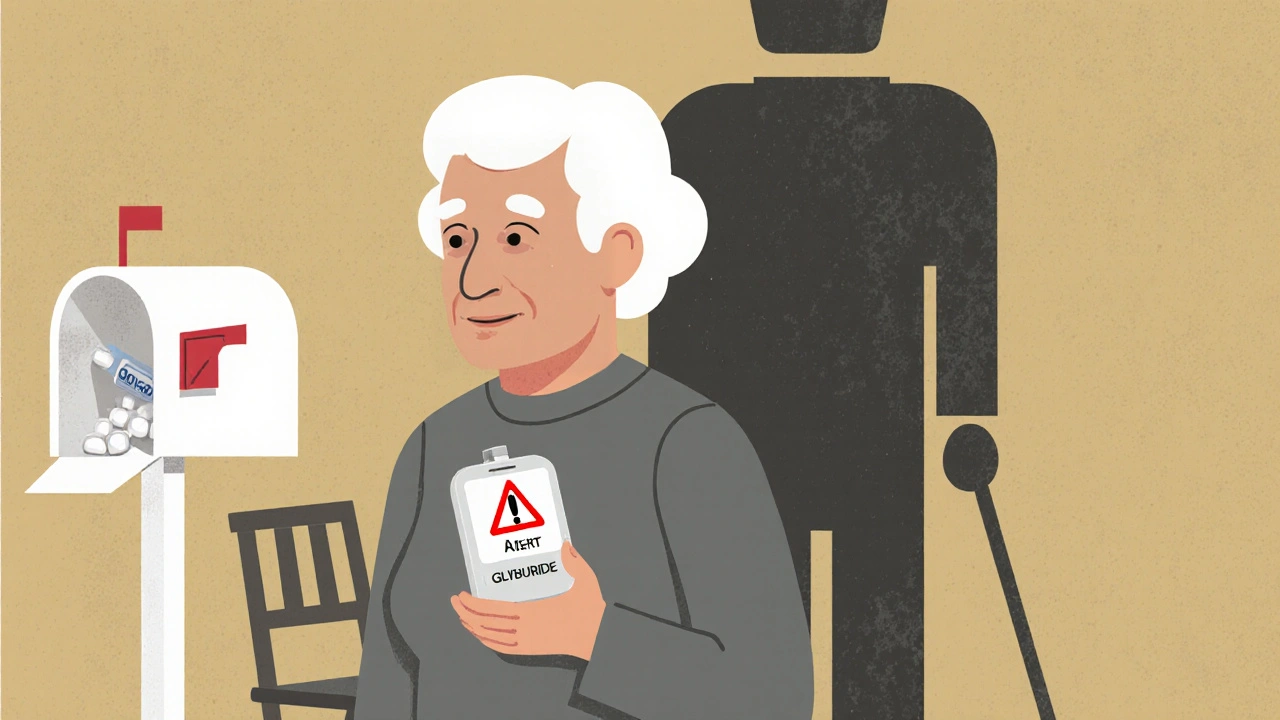
Diabetes Medications for Seniors: How to Prevent Dangerous Low Blood Sugar
- Nov, 13 2025
- 11
Hypoglycemia is the leading cause of diabetes-related emergencies in seniors. Learn which medications are safest, which to avoid, and practical steps families can take to prevent dangerous low blood sugar episodes.
Categories
- Health and Medicine (78)
- Health and Wellness (57)
- Medicine (37)
- Women's Health (11)
- Mental Health (10)
- Men's Health (7)
- Beauty and Wellness (4)
- Health Information (4)
Archives
- April 2026 (3)
- March 2026 (11)
- February 2026 (11)
- January 2026 (25)
- December 2025 (28)
- November 2025 (25)
- October 2025 (27)
- September 2025 (14)
- August 2025 (3)
- July 2025 (2)
- June 2025 (2)
- May 2025 (3)
- online pharmacy
- medication safety
- generic drugs
- dietary supplement
- health benefits
- dietary supplements
- prevention
- fertility
- online pharmacy Australia
- side effects
- QT prolongation
- medication side effects
- diabetes medications
- GLP-1 agonists
- nocebo effect
- brand vs generic
- treatment
- treatment options
- benefits
- connection