
EpiPen Training: How to Use an Epinephrine Auto-Injector Correctly
When someone has a severe allergic reaction, EpiPen training, a standardized method for using an epinephrine auto-injector during life-threatening allergic reactions. Also known as epinephrine injection training, it’s not just a formality—it’s the difference between emergency care and tragedy. Many people think they know how to use an EpiPen until they’re faced with a real reaction. Studies show nearly half of people who carry one don’t use it correctly when it matters most. That’s not because they’re careless—it’s because they never practiced with a trainer device, never saw it done in person, or were told to "just follow the instructions" without actually seeing how it feels.
Epinephrine auto-injector, a handheld device that delivers a measured dose of epinephrine to reverse anaphylaxis isn’t a toy. It’s a medical tool that needs muscle memory. The needle is short, but the force required to activate it is more than most expect. You don’t press it gently—you jam it hard into the outer thigh, hold for three seconds, then remove. It’s not about where you aim—it’s about how fast you act. And you don’t wait to see if symptoms get worse. If someone is struggling to breathe, their lips are swelling, or they feel dizzy after eating a known allergen, you use it. No second-guessing. No calling 911 first. Use the EpiPen, then call.
Anaphylaxis emergency, a rapid, full-body allergic reaction that can shut down breathing and circulation within minutes doesn’t care if you’re nervous, if it’s your first time, or if you’re holding a child’s hand. It moves fast. That’s why EpiPen training isn’t just for adults. Schools, daycare centers, grandparents, and even older siblings need to know how to use it. It’s not enough to have it in the backpack or the fridge. It has to be in someone’s hands, ready to go. And it’s not just about the injection—after using it, you still need to get emergency help. Epinephrine wears off in 10 to 20 minutes. Symptoms can come back harder. That’s why every EpiPen use must be followed by a trip to the ER.
You don’t need a medical degree to do this right. You just need to practice. Most pharmacies give out free trainer pens. Take one. Practice on an orange. Get someone to watch you. Do it until it’s automatic. Check the expiration date every time you refill a prescription. Store it at room temperature. Don’t keep it in the car. Don’t let it get too hot or too cold. Replace it if the liquid looks cloudy or has particles. These aren’t suggestions—they’re survival steps.
There’s no such thing as too much EpiPen training. Whether you’re a parent, a teacher, a coworker, or someone with allergies yourself, this skill could save a life tomorrow. And if you’ve ever been told "it’s probably nothing" when someone’s having a reaction—you now know better. Anaphylaxis doesn’t ask for permission. But with proper EpiPen training, you can answer before it’s too late.
Below, you’ll find real-world advice from people who’ve used these devices in emergencies, tips from pharmacists on how to avoid common mistakes, and guidance on what to do after the shot—even if you’re not sure you needed it.
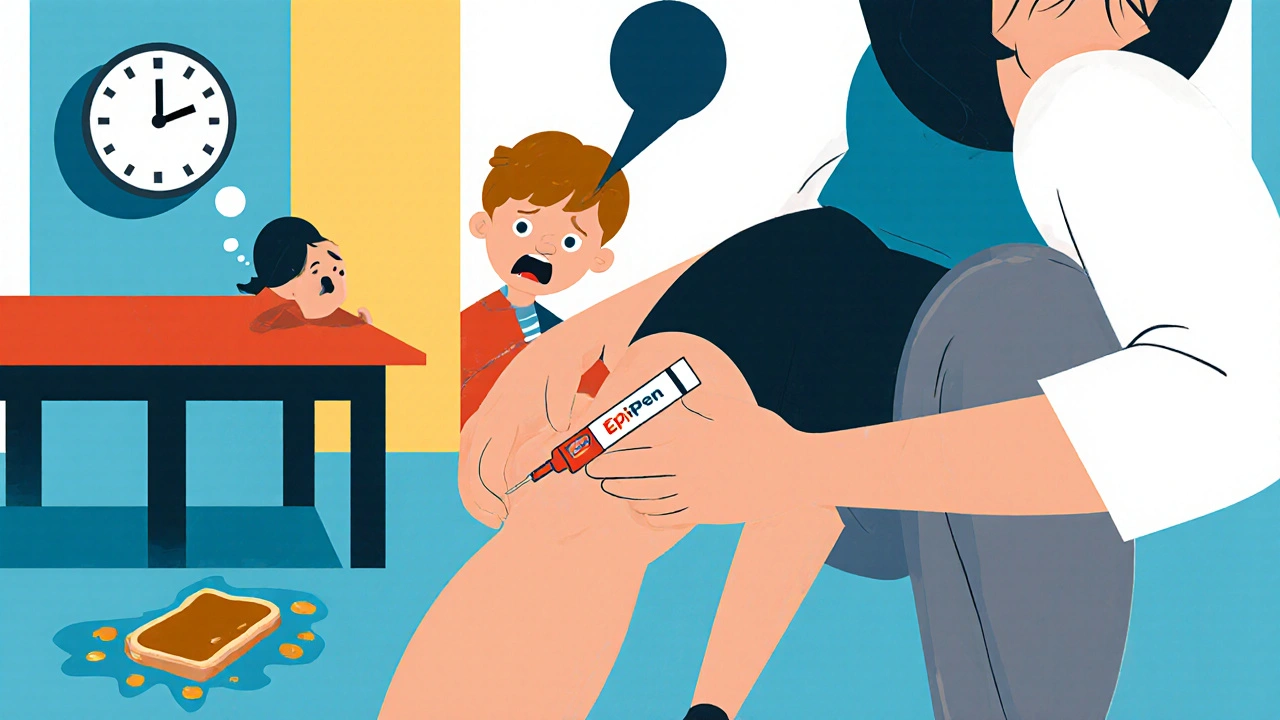
Epinephrine Auto-Injector Training: How to Prevent Mistakes and Save Lives
- Nov, 20 2025
- 13
Epinephrine auto-injector training saves lives-but only if done right. Learn how to prevent deadly mistakes in anaphylaxis response with correct technique, recognition of symptoms, and proven training methods.
Categories
- Health and Medicine (78)
- Health and Wellness (57)
- Medicine (37)
- Women's Health (11)
- Mental Health (10)
- Men's Health (7)
- Beauty and Wellness (4)
- Health Information (4)
Archives
- April 2026 (3)
- March 2026 (11)
- February 2026 (11)
- January 2026 (25)
- December 2025 (28)
- November 2025 (25)
- October 2025 (27)
- September 2025 (14)
- August 2025 (3)
- July 2025 (2)
- June 2025 (2)
- May 2025 (3)
- online pharmacy
- medication safety
- generic drugs
- dietary supplement
- health benefits
- dietary supplements
- prevention
- fertility
- online pharmacy Australia
- side effects
- QT prolongation
- medication side effects
- diabetes medications
- GLP-1 agonists
- nocebo effect
- brand vs generic
- treatment
- treatment options
- benefits
- connection