
Epinephrine Auto-Injector: What It Is, When You Need It, and How It Saves Lives
When a severe allergic reaction strikes, seconds matter. That’s where the epinephrine auto-injector, a handheld device that delivers a precise dose of epinephrine to reverse life-threatening allergic reactions. Also known as EpiPen, it’s not just a backup—it’s often the only thing standing between someone and a fatal outcome. This isn’t theoretical. Every year, thousands of people in the U.S. alone rely on it during anaphylaxis triggered by foods, insect stings, or medications. And if you or someone you care about has a history of severe allergies, this device isn’t optional—it’s essential.
Epinephrine works fast. It tightens blood vessels, relaxes airway muscles, and stops the body’s runaway immune response. Without it, swelling can block breathing, blood pressure can crash, and organs can fail. That’s why it’s the first-line treatment for anaphylaxis, a sudden, dangerous allergic reaction affecting multiple body systems. You don’t wait for symptoms to get worse. You don’t call 911 and then wait. You use the auto-injector immediately. And yes, even if you’re not 100% sure—it’s better to use it and be wrong than to hold back and regret it.
People often confuse epinephrine with antihistamines like Benadryl. Big mistake. Antihistamines help with mild itching or hives, but they do nothing to stop the drop in blood pressure or airway closure that defines anaphylaxis. Only epinephrine does that. That’s why guidelines from the American Academy of Allergy, Asthma & Immunology say: epinephrine first, antihistamines later. And even after using the auto-injector, you still need to go to the ER. The effects wear off in 10 to 20 minutes, and a second wave of symptoms can come back stronger.
Knowing how to use it matters just as much as having it. Most auto-injectors look similar, but each brand has slightly different instructions. Practice with a trainer device—no one should be fumbling during an emergency. Keep one at home, one in your bag, one in the car. If your child has allergies, make sure teachers, babysitters, and coaches know where it is and how to use it. And never, ever leave it in a hot car or a freezing backpack. Epinephrine degrades in extreme temperatures.
It’s not just for kids. Adults with peanut, shellfish, or bee venom allergies are just as at risk. Even people who’ve only had mild reactions before can suddenly develop a severe one. That’s why doctors recommend carrying an auto-injector if you’ve ever needed emergency treatment for an allergic reaction—even once.
Behind every story of survival is someone who acted fast. And every post in this collection ties back to that moment: how epinephrine fits into broader medication safety, how it interacts with other drugs, and how to avoid mistakes that could cost lives. You’ll find guides on recognizing early signs of anaphylaxis, how to store it properly, what to do after using it, and why some people still hesitate to use it—even when they know they should. This isn’t about theory. It’s about real people, real emergencies, and the simple tool that keeps them alive.
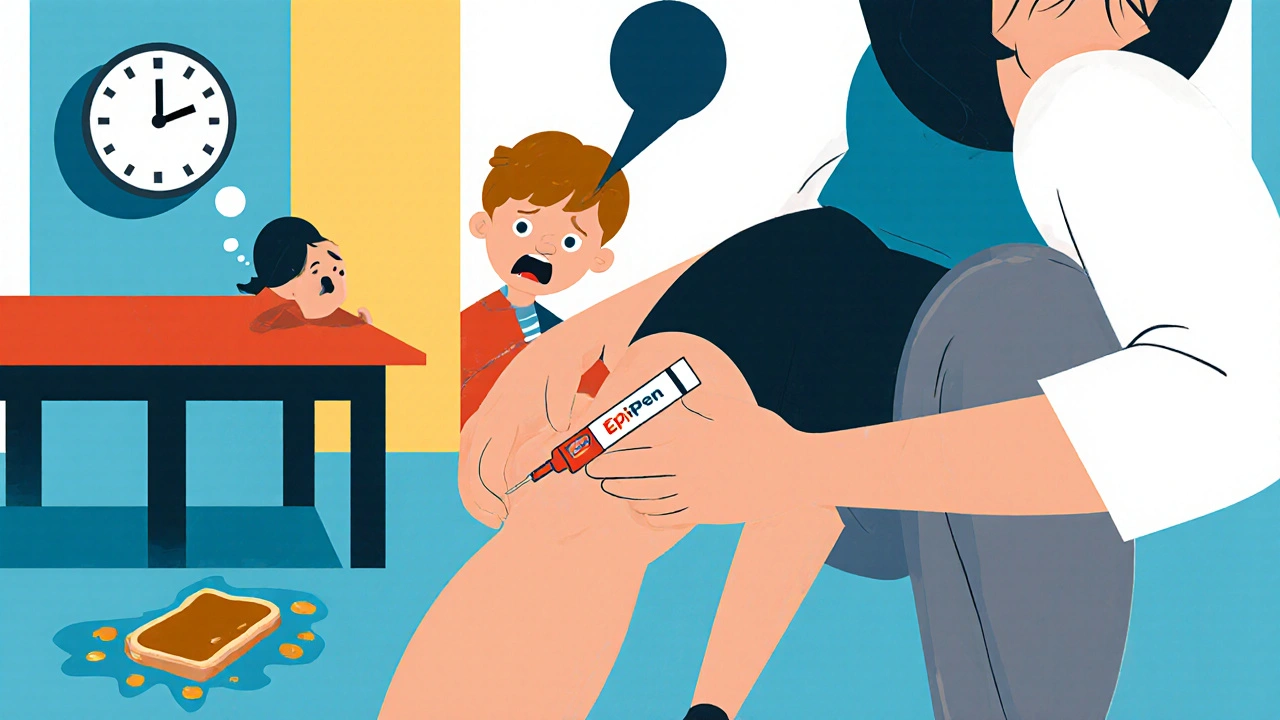
Epinephrine Auto-Injector Training: How to Prevent Mistakes and Save Lives
- Nov, 20 2025
- 13
Epinephrine auto-injector training saves lives-but only if done right. Learn how to prevent deadly mistakes in anaphylaxis response with correct technique, recognition of symptoms, and proven training methods.
Categories
- Health and Medicine (78)
- Health and Wellness (57)
- Medicine (37)
- Women's Health (11)
- Mental Health (10)
- Men's Health (7)
- Beauty and Wellness (4)
- Health Information (4)
Archives
- April 2026 (3)
- March 2026 (11)
- February 2026 (11)
- January 2026 (25)
- December 2025 (28)
- November 2025 (25)
- October 2025 (27)
- September 2025 (14)
- August 2025 (3)
- July 2025 (2)
- June 2025 (2)
- May 2025 (3)
- online pharmacy
- medication safety
- generic drugs
- dietary supplement
- health benefits
- dietary supplements
- prevention
- fertility
- online pharmacy Australia
- side effects
- QT prolongation
- medication side effects
- diabetes medications
- GLP-1 agonists
- nocebo effect
- brand vs generic
- treatment
- treatment options
- benefits
- connection