
Epinephrine Administration: How, When, and Why It Saves Lives
When someone has a severe allergic reaction, epinephrine administration, the rapid delivery of epinephrine to reverse life-threatening symptoms like airway swelling and low blood pressure. Also known as adrenaline injection, it’s the only medication that can stop anaphylaxis before it kills. This isn’t just a medical procedure—it’s a race against time. Every minute counts. Delayed epinephrine is the leading reason people die from allergic reactions, even when they have the right tool on hand.
Epinephrine works by tightening blood vessels, opening airways, and boosting heart function—all at once. It’s not a cure, but it buys you the minutes needed to get to emergency care. That’s why epinephrine autoinjector, a simple, pre-filled device designed for non-medical users to deliver a precise dose quickly is now standard for people with known severe allergies. Think EpiPen, Auvi-Q, or Adrenaclick. These aren’t optional. They’re as essential as a fire extinguisher in your kitchen. And just like that extinguisher, it only helps if you know how to use it—and if you use it fast.
Many people wait too long. They think, "Maybe it’s just a rash," or "I’ll wait to see if it gets worse." But anaphylaxis doesn’t wait. It can go from mild itching to collapsed lungs and cardiac arrest in under 10 minutes. That’s why guidelines say: if you suspect a serious allergic reaction, give epinephrine first, then call 911. No exceptions. Even if symptoms seem to improve after one shot, you still need emergency care—because a second wave can hit without warning.
Epinephrine administration isn’t just for food allergies. It’s used for insect stings, medication reactions, latex exposure, and even exercise-induced anaphylaxis. Kids, teens, and seniors all need access. Schools, workplaces, and public spaces should have it available. And every caregiver, teacher, or family member of someone at risk should know how to use it. No training is too basic. Watching a video once isn’t enough. Practice with a trainer pen. Drill it like a fire drill.
There’s a myth that epinephrine is dangerous. It’s not. Side effects like a racing heart or shaking are temporary and far safer than letting anaphylaxis run unchecked. The real danger is misunderstanding when to use it. If someone has trouble breathing, swelling of the tongue or throat, dizziness, or a feeling of doom—give the shot. Don’t wait for a rash. Don’t wait for vomiting. Don’t wait for someone else to decide. You’re not a doctor. You’re the person who can act. And that’s enough.
The posts below cover real stories and practical details: how to store epinephrine in extreme heat, why some people need two doses, how to explain its use to children, and what to do if you accidentally inject it into your finger. You’ll also find guidance on managing reactions in seniors, during pregnancy, and alongside other medications like beta-blockers that can complicate treatment. This isn’t theory. It’s what works when lives are on the line.
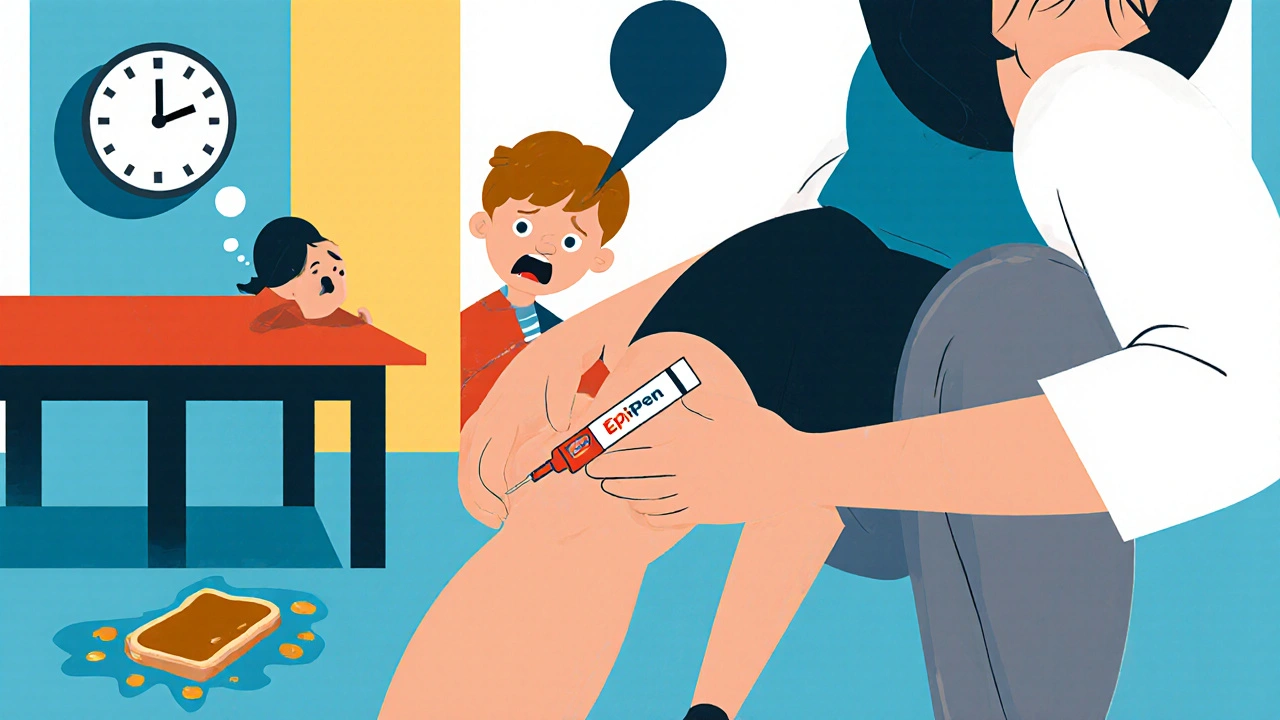
Epinephrine Auto-Injector Training: How to Prevent Mistakes and Save Lives
- Nov, 20 2025
- 13
Epinephrine auto-injector training saves lives-but only if done right. Learn how to prevent deadly mistakes in anaphylaxis response with correct technique, recognition of symptoms, and proven training methods.
Categories
- Health and Medicine (78)
- Health and Wellness (57)
- Medicine (37)
- Women's Health (11)
- Mental Health (10)
- Men's Health (7)
- Beauty and Wellness (4)
- Health Information (4)
Archives
- April 2026 (3)
- March 2026 (11)
- February 2026 (11)
- January 2026 (25)
- December 2025 (28)
- November 2025 (25)
- October 2025 (27)
- September 2025 (14)
- August 2025 (3)
- July 2025 (2)
- June 2025 (2)
- May 2025 (3)
- online pharmacy
- medication safety
- generic drugs
- dietary supplement
- health benefits
- dietary supplements
- prevention
- fertility
- online pharmacy Australia
- side effects
- QT prolongation
- medication side effects
- diabetes medications
- GLP-1 agonists
- nocebo effect
- brand vs generic
- treatment
- treatment options
- benefits
- connection