
ECG Monitoring: What It Is, Why It Matters, and How It Saves Lives
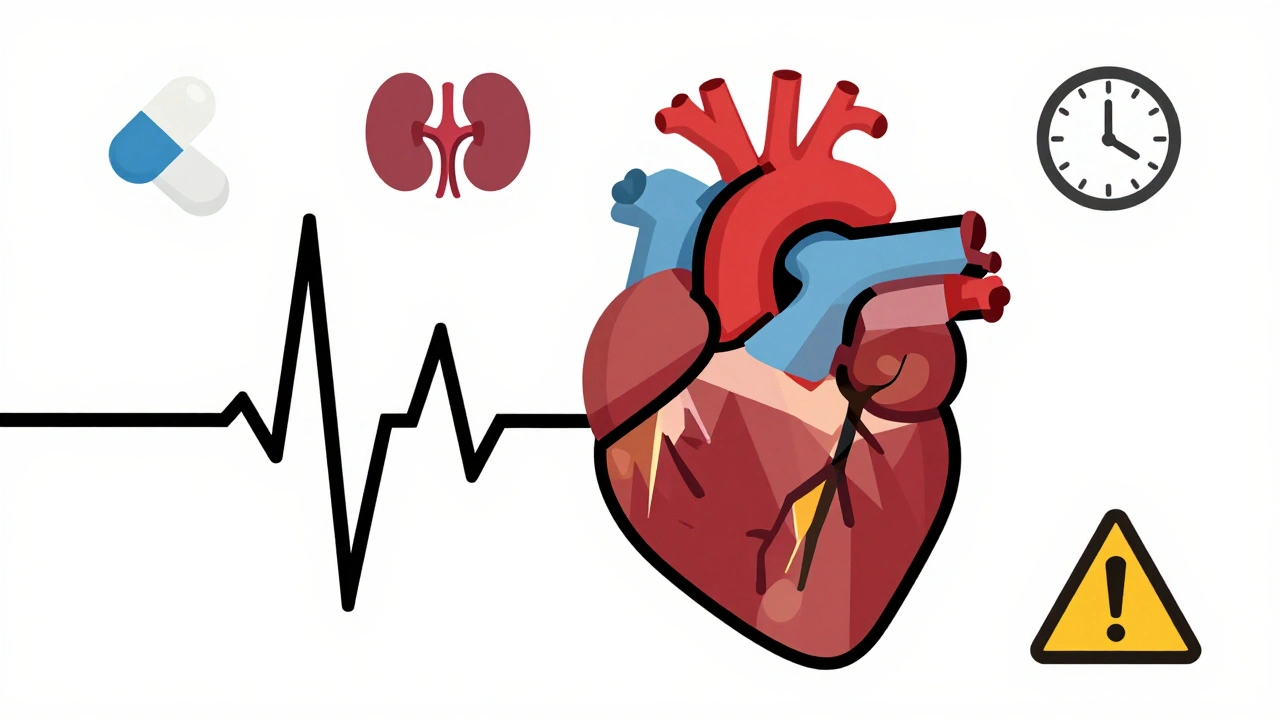
When your heart skips, races, or stumbles, ECG monitoring, a non-invasive test that records the electrical signals your heart uses to beat. Also known as electrocardiogram, it’s the fastest way doctors spot trouble in your heartbeat. It doesn’t show blockages or weak muscles—it shows timing. And in heart health, timing is everything.
ECG monitoring is especially vital for people taking medications that can mess with your heart’s rhythm. Drugs like certain antibiotics, antipsychotics, and even some antidepressants can stretch out the QT interval—the time between heartbeats. When that interval gets too long, it can trigger a deadly rhythm called Torsades de Pointes, a fast, chaotic heart rhythm that can lead to sudden cardiac arrest. This isn’t theoretical. It’s why hospitals monitor patients on QT-prolonging drugs with continuous ECGs. Even something as simple as combining an antacid with an antibiotic can push your heart into danger if you’re not watched.
It’s not just for hospital stays. People with diabetes, heart disease, or a history of fainting often get ECGs as part of routine care. The test catches things you can’t feel—like irregular beats that don’t cause symptoms but raise stroke risk. Nurses and paramedics use portable ECGs in ambulances to decide if someone needs immediate defibrillation. And for older adults on multiple meds, regular ECG checks are a simple way to prevent a silent emergency.
ECG monitoring doesn’t replace other tests, but it’s the first line of defense. It’s quick, painless, and tells doctors more in 10 seconds than hours of guessing. If you’re on a new medication and your doctor says, "We’ll monitor your heart," they’re not being extra cautious—they’re being smart. Because when your heart’s rhythm goes wrong, there’s no second chance to hit pause.
Below, you’ll find real-world guides on how ECG monitoring catches drug-induced heart risks, why some meds are riskier than others, and what to ask your doctor if you’re worried about your heart’s electrical signals. These aren’t theory pieces—they’re practical checklists from people who’ve seen the consequences of ignoring the rhythm.
ECG Monitoring During Macrolide Therapy: Who Really Needs It?
- Dec, 1 2025
- 9
Macrolide antibiotics like azithromycin can cause dangerous heart rhythm changes. Learn who needs an ECG before taking them-and why skipping this step can be risky.
Categories
- Health and Medicine (78)
- Health and Wellness (57)
- Medicine (37)
- Women's Health (11)
- Mental Health (10)
- Men's Health (7)
- Beauty and Wellness (4)
- Health Information (4)
Archives
- April 2026 (3)
- March 2026 (11)
- February 2026 (11)
- January 2026 (25)
- December 2025 (28)
- November 2025 (25)
- October 2025 (27)
- September 2025 (14)
- August 2025 (3)
- July 2025 (2)
- June 2025 (2)
- May 2025 (3)
- online pharmacy
- medication safety
- generic drugs
- dietary supplement
- health benefits
- dietary supplements
- prevention
- fertility
- online pharmacy Australia
- side effects
- QT prolongation
- medication side effects
- diabetes medications
- GLP-1 agonists
- nocebo effect
- brand vs generic
- treatment
- treatment options
- benefits
- connection