
Diabetes Medications for Seniors: Safe Choices and What to Avoid
When it comes to diabetes medications for seniors, prescribed drugs used to manage high blood sugar in older adults, often with multiple other health conditions. Also known as antihyperglycemic agents for the elderly, these drugs need special care—what works for a 50-year-old might be risky for a 75-year-old. Aging changes how the body absorbs, processes, and reacts to drugs. Kidneys slow down. Liver function dips. Muscle mass decreases. All of this means standard diabetes doses can lead to dangerous lows, confusion, falls, or even hospital visits.
That’s why polypharmacy in elderly, the use of five or more medications at once, common in older adults with chronic conditions. Also known as medication burden, it makes diabetes treatment trickier. Many seniors take blood pressure pills, cholesterol drugs, pain relievers, and heart meds—all of which can interact with diabetes drugs. For example, some diuretics raise blood sugar. Beta-blockers hide the warning signs of low blood sugar. And certain antibiotics can mess with metformin. The Beers Criteria, a list of potentially inappropriate medications for older adults, updated regularly by geriatric experts. Also known as Beers List, it helps doctors spot these risks before they cause harm.
Not all diabetes meds are created equal for seniors. Metformin is still first-line for many—but only if kidney function is good. Sulfonylureas like glipizide can cause severe low blood sugar, which is dangerous for someone who lives alone. DPP-4 inhibitors and SGLT2 inhibitors are often safer, with fewer hypoglycemia risks. GLP-1 agonists help with weight and heart health but can cause nausea and aren’t always well-tolerated. Insulin? It works—but requires careful monitoring and support. The goal isn’t just to hit a number like 7.0% HbA1c. It’s to avoid crashes, confusion, and ER trips while keeping energy up and quality of life intact.
Deprescribing—cutting back on meds that don’t help or might hurt—is becoming part of standard care. If a senior’s A1c is 7.5% and they’re taking three pills with no symptoms, maybe they don’t need all of them. A pharmacist-led review, checking for interactions, and simplifying the regimen can make a bigger difference than adding another drug. Seniors aren’t just older patients—they’re people with busy lives, limited energy, and a need for simplicity. The best diabetes plan for them isn’t the one with the most drugs. It’s the one that keeps them safe, steady, and independent.
What follows are real, practical guides from doctors and pharmacists who see this every day: how to spot dangerous drug combos, when to ask for a dose review, which meds to question, and how to talk to your provider without sounding skeptical. You’ll find advice on avoiding common mistakes, recognizing hidden side effects, and choosing treatments that fit a senior’s daily life—not just their lab results.
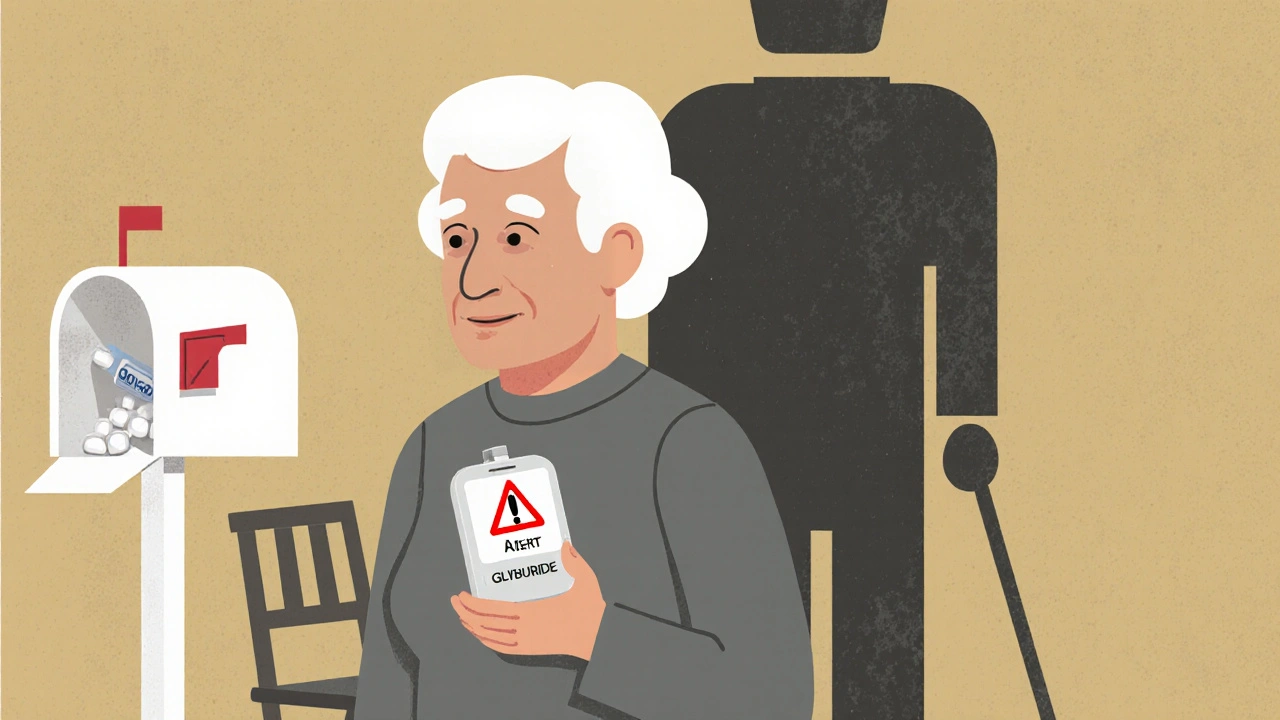
Diabetes Medications for Seniors: How to Prevent Dangerous Low Blood Sugar
- Nov, 13 2025
- 11
Hypoglycemia is the leading cause of diabetes-related emergencies in seniors. Learn which medications are safest, which to avoid, and practical steps families can take to prevent dangerous low blood sugar episodes.
Categories
- Health and Medicine (78)
- Health and Wellness (57)
- Medicine (37)
- Women's Health (11)
- Mental Health (10)
- Men's Health (7)
- Beauty and Wellness (4)
- Health Information (4)
Archives
- April 2026 (3)
- March 2026 (11)
- February 2026 (11)
- January 2026 (25)
- December 2025 (28)
- November 2025 (25)
- October 2025 (27)
- September 2025 (14)
- August 2025 (3)
- July 2025 (2)
- June 2025 (2)
- May 2025 (3)
- online pharmacy
- medication safety
- generic drugs
- dietary supplement
- health benefits
- dietary supplements
- prevention
- fertility
- online pharmacy Australia
- side effects
- QT prolongation
- medication side effects
- diabetes medications
- GLP-1 agonists
- nocebo effect
- brand vs generic
- treatment
- treatment options
- benefits
- connection