
Deprescribing: How to Safely Reduce Unnecessary Medications
When you take too many pills, your body doesn’t always thank you. Deprescribing, the planned and supervised process of reducing or stopping medications that are no longer needed or may be causing harm. Also known as medication reduction, it’s not about quitting drugs cold turkey—it’s about making smart, evidence-based choices to protect your health. Many older adults, especially those seeing multiple doctors, end up on ten or more medications. Some were prescribed years ago for conditions that have changed—or never needed in the first place. That’s where deprescribing steps in: it’s the opposite of adding more drugs. It’s about removing the ones that don’t pull their weight.
Deprescribing relates directly to polypharmacy, the use of multiple medications at the same time, often leading to dangerous interactions or side effects. It’s not just about pills—it’s about how those pills interact with your liver, kidneys, brain, and gut. For example, mixing an antacid with an antibiotic can make both useless. Taking a blood thinner with certain painkillers can lead to internal bleeding. These aren’t rare mistakes—they happen every day. That’s why deprescribing isn’t just a doctor’s idea. It’s a patient safety tool backed by real-world data from hospitals and clinics. It’s also tied to elderly medication safety, the practice of tailoring drug regimens for older adults who are more sensitive to side effects and slower to metabolize medications. Seniors are at higher risk for falls, confusion, and kidney damage from drugs that once seemed harmless.
Deprescribing doesn’t mean going without treatment. It means getting the right treatment. If you’re on a statin for cholesterol but have no heart disease, or take a sleeping pill that makes you dizzy, or use an acid reducer for years without checking if it’s still needed—those are red flags. The goal is to simplify, not complicate. You’ll find posts here that show how antibiotics can trigger yeast infections, how antacids mess with other drugs, how diabetes meds can cause dangerous lows in seniors, and how even common pain relievers can interact badly with heart meds. These aren’t random examples. They’re all pieces of the same puzzle: your body doesn’t handle too many pills well. The collection below gives you real, practical ways to talk to your doctor, spot unnecessary meds, and start the conversation about cutting back—safely, slowly, and with confidence.
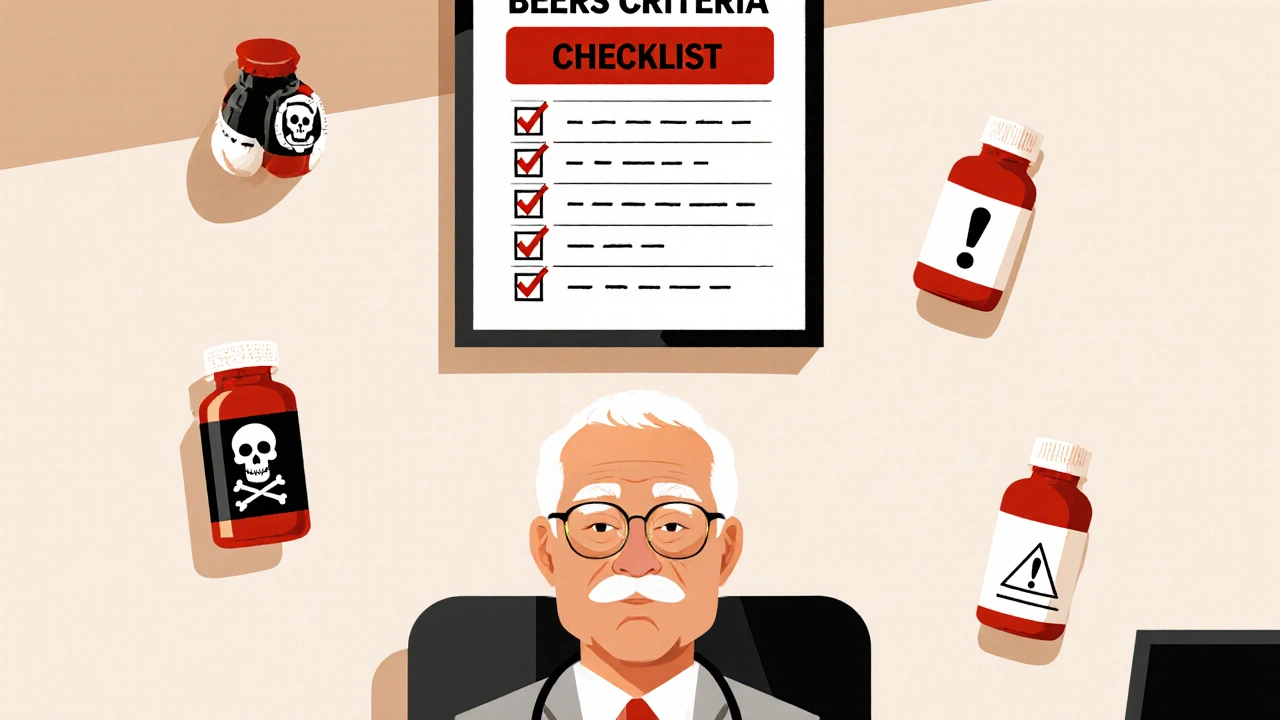
Geriatric Medication Safety: How to Protect Elderly Patients from Harmful Drugs
- Nov, 21 2025
- 15
Geriatric medication safety is critical for protecting older adults from harmful drug interactions. Learn how the Beers Criteria, deprescribing, and pharmacist-led teams are reducing hospitalizations and improving care for seniors.
Categories
- Health and Medicine (78)
- Health and Wellness (57)
- Medicine (37)
- Women's Health (11)
- Mental Health (10)
- Men's Health (7)
- Beauty and Wellness (4)
- Health Information (4)
Archives
- April 2026 (3)
- March 2026 (11)
- February 2026 (11)
- January 2026 (25)
- December 2025 (28)
- November 2025 (25)
- October 2025 (27)
- September 2025 (14)
- August 2025 (3)
- July 2025 (2)
- June 2025 (2)
- May 2025 (3)
- online pharmacy
- medication safety
- generic drugs
- dietary supplement
- health benefits
- dietary supplements
- prevention
- fertility
- online pharmacy Australia
- side effects
- QT prolongation
- medication side effects
- diabetes medications
- GLP-1 agonists
- nocebo effect
- brand vs generic
- treatment
- treatment options
- benefits
- connection