
Contact Allergy: What It Is, Triggers, and How to Avoid Reactions
When your skin reacts to something you touched—like your watch, shampoo, or even your jeans—it’s not just irritation. It’s likely contact allergy, a delayed immune response to substances that touch your skin, causing redness, swelling, and intense itching. Also known as allergic contact dermatitis, it’s not contagious, but it can turn your daily routine into a minefield. Unlike immediate allergies (like peanut reactions), this one sneaks up. You might touch something harmless today, feel fine, then break out in a rash three days later. That’s because your immune system needs time to recognize the substance as a threat.
Common triggers show up everywhere. nickel, a metal found in jewelry, belt buckles, and phone cases is the #1 cause in adults. poison ivy, a plant oil that sticks to skin, clothes, and pets hits millions every year. Even things you think are safe—like fragrances in lotions, preservatives in makeup, or latex in gloves—can set off a reaction. Some people react to hair dye, nail polish, or the metal in dental fillings. It’s not about being "dirty" or sensitive—it’s about your body’s unique response.
What makes this tricky is that the same substance might not bother you for years, then suddenly trigger a reaction. That’s why patch testing matters. Dermatologists use small patches with common allergens to find the exact cause. Once you know what triggers you, avoiding it becomes possible. Swap metal buttons for fabric ones. Choose fragrance-free products. Wear cotton gloves under rubber ones. These aren’t just tips—they’re life-changing fixes backed by real cases.
Some reactions look like eczema. Others blister or peel. The key sign? The rash matches the shape of what touched your skin—a bracelet line, a phone screen outline, a patch where your glasses sat. If you’ve had recurring rashes in the same spots, especially after using a new product or wearing new clothes, it’s not coincidence. It’s your body telling you something’s wrong.
This collection of articles dives into how contact allergy connects to other health issues. You’ll find guides on how epinephrine auto-injectors help in severe allergic reactions, how antibiotics can worsen skin sensitivity, and why certain medications like Ramipril increase sun-related skin risks. You’ll also learn how to safely manage skin care with ingredients like niacinamide and azelaic acid, which can help calm inflamed skin without triggering more reactions. Whether you’re dealing with nickel, poison ivy, or unknown irritants, these posts give you the tools to stop the cycle and take control.
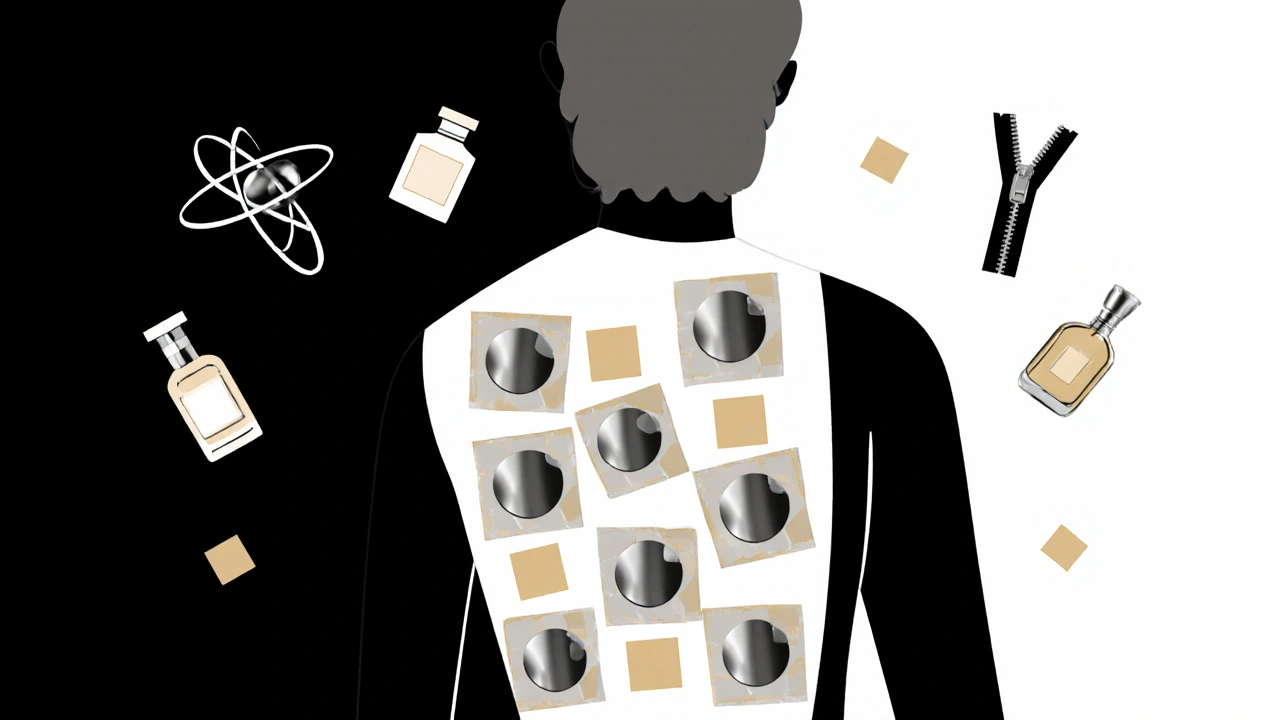
Contact Allergy: Patch Testing for Metals and Fragrances
- Nov, 19 2025
- 13
Patch testing is the most reliable way to identify contact allergies to metals like nickel and fragrances in everyday products. Learn how the test works, why it’s more accurate than guessing, and how avoiding triggers can clear up stubborn rashes.
Categories
- Health and Medicine (78)
- Health and Wellness (57)
- Medicine (37)
- Women's Health (11)
- Mental Health (10)
- Men's Health (7)
- Beauty and Wellness (4)
- Health Information (4)
Archives
- April 2026 (3)
- March 2026 (11)
- February 2026 (11)
- January 2026 (25)
- December 2025 (28)
- November 2025 (25)
- October 2025 (27)
- September 2025 (14)
- August 2025 (3)
- July 2025 (2)
- June 2025 (2)
- May 2025 (3)
- online pharmacy
- medication safety
- generic drugs
- dietary supplement
- health benefits
- dietary supplements
- prevention
- fertility
- online pharmacy Australia
- side effects
- QT prolongation
- medication side effects
- diabetes medications
- GLP-1 agonists
- nocebo effect
- brand vs generic
- treatment
- treatment options
- benefits
- connection