
Clinical Outcomes: What Really Matters in Medication Choices
When we talk about clinical outcomes, the real-world results patients experience after taking a medication, not just lab numbers or trial data. Also known as patient-centered outcomes, it’s what happens when a pill meets a person’s life—do they feel better, stay out of the hospital, or avoid dangerous side effects? Too many people think a drug works if it lowers blood sugar or shrinks a tumor. But clinical outcomes ask: Did they keep taking it? Did they get sick from it? Did it mess with their sleep, weight, or ability to work? That’s the difference between a study result and a life changed.
That’s why side effects, unwanted reactions to medications that impact daily living matter more than you think. A diabetes drug might lower glucose, but if it causes constant nausea or weight gain, people stop taking it—and their blood sugar goes back up. Same with drug interactions, when one medication changes how another works in the body. Antacids killing the effect of antibiotics? Coffee making warfarin risky? These aren’t footnotes—they’re reasons people end up in the ER. And medication safety, the system of practices that prevent harm from drugs, especially in vulnerable groups like seniors or kids isn’t just a checklist. It’s about knowing who’s at risk, when to skip a drug, and how to spot trouble before it’s too late.
None of this happens in a vacuum. Clinical outcomes are shaped by who’s taking the drug, where they live, what else they’re on, and how well they understand it. A school nurse following the Five Rights prevents a child from getting the wrong dose. A senior avoiding glyburide cuts their risk of dangerous low blood sugar. A breastfeeding mom labeling her milk keeps her baby safe. These aren’t isolated stories—they’re the fabric of real clinical outcomes. You won’t find them in drug ads. You’ll find them in the details: the timing of doses, the way a rash develops after a new cream, the confusion when a pharmacist swaps a brand for a generic. That’s what this collection is built on. Below, you’ll find practical, no-fluff guides that cut through the noise and show you what actually works—and what could hurt.
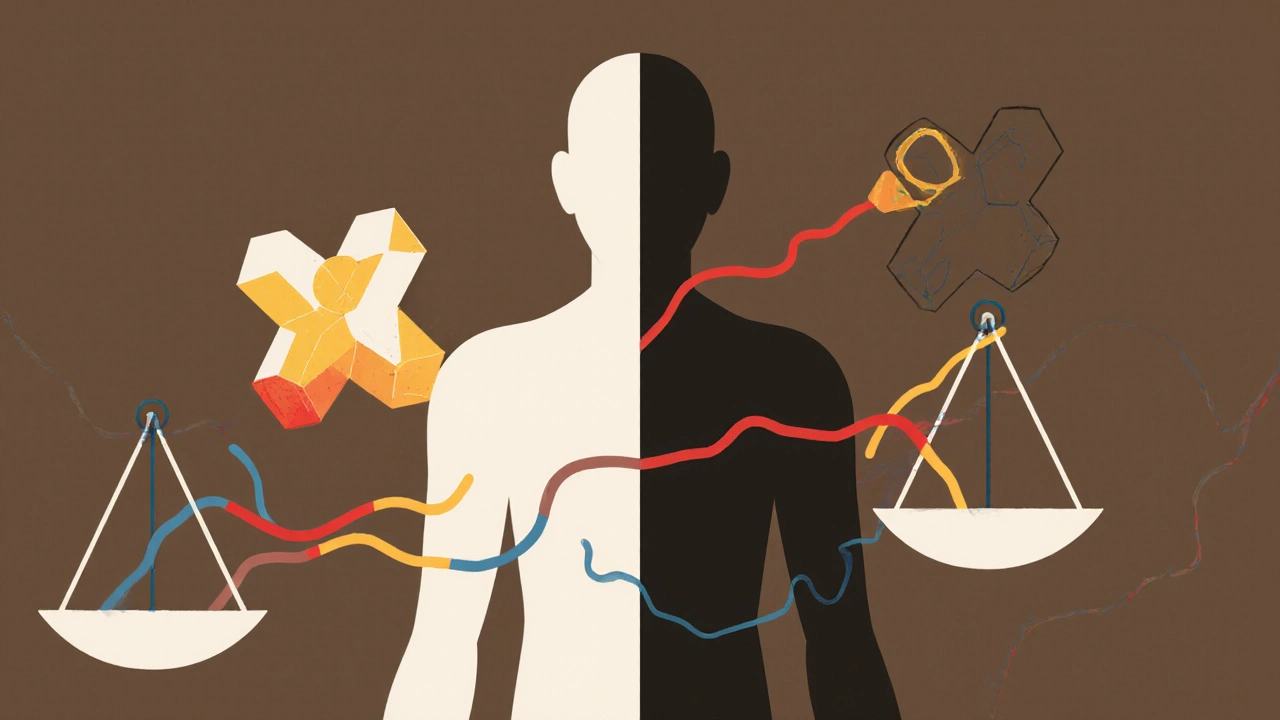
Clinical Outcomes with Biosimilars: Do They Work as Well as the Original Biologics?
- Nov, 24 2025
- 14
Biosimilars are proven to work as well as original biologic drugs in treating cancer, autoimmune diseases, and more. They're safer, cheaper, and backed by over a decade of global clinical data.
Categories
- Health and Medicine (76)
- Health and Wellness (57)
- Medicine (37)
- Women's Health (11)
- Mental Health (10)
- Men's Health (7)
- Beauty and Wellness (4)
- Health Information (4)
Archives
- April 2026 (1)
- March 2026 (11)
- February 2026 (11)
- January 2026 (25)
- December 2025 (28)
- November 2025 (25)
- October 2025 (27)
- September 2025 (14)
- August 2025 (3)
- July 2025 (2)
- June 2025 (2)
- May 2025 (3)
- online pharmacy
- medication safety
- generic drugs
- dietary supplement
- health benefits
- dietary supplements
- prevention
- fertility
- online pharmacy Australia
- side effects
- QT prolongation
- medication side effects
- diabetes medications
- GLP-1 agonists
- nocebo effect
- brand vs generic
- treatment
- treatment options
- benefits
- connection