
Children's Fever After Vaccines: What Parents Need to Know
When a child develops a fever after vaccines, a temporary rise in body temperature following immunization. Also known as post-vaccination pyrexia, it’s one of the most common reactions parents see—and one of the most feared. It’s not a sign the vaccine is failing. It’s a sign their immune system is working. About 1 in 4 kids gets a low-grade fever after shots like DTaP, MMR, or Hib. Most last less than 48 hours and don’t need treatment.
Not all fevers are the same. A temperature under 102°F (38.9°C) in a child over 6 months is usually harmless. What matters more is how your child acts. If they’re drinking, playing, or even just smiling a little, the fever isn’t the enemy. The real red flags? A fever over 104°F (40°C), lethargy that won’t improve, trouble breathing, or a rash that spreads fast. These are rare, but if they happen, call your doctor. Don’t wait. Also, don’t confuse a fever from the vaccine with an actual infection. Kids get colds and ear infections all the time, and sometimes they show up right after shots. That’s coincidence, not cause.
Pediatric immunization, the process of giving vaccines to children to prevent serious diseases. Also known as childhood vaccination schedule, it’s one of the safest public health tools we have. But fear of side effects—especially fever—keeps some parents from sticking to the timeline. That’s risky. Diseases like whooping cough and measles don’t disappear just because we don’t see them anymore. They’re still out there. And unvaccinated kids are the ones who get hurt. The fever from a vaccine? It’s a small price. The fever from the disease? That’s life-threatening.
Fever management in kids, how to safely reduce a child’s temperature without overmedicating. Also known as antipyretic use in pediatrics, it’s simpler than you think. You don’t need to rush to lower every single degree. Give acetaminophen or ibuprofen only if your child is uncomfortable, not just because the number on the thermometer went up. Don’t use aspirin. Never. And don’t bundle them up to "sweat it out." That traps heat. Keep them lightly dressed. Offer fluids. A lukewarm sponge bath? Fine, if it helps. Cold baths? No. Ice packs? No. Let the body do its job. Most kids bounce back in a day.
What you’ll find in the posts below isn’t theory. It’s what real parents and doctors have seen. How to tell if a fever is from the vaccine or something else. When to skip the next shot. What to do if your baby spikes a fever right after the 2-month shots. How to respond if your toddler gets a high fever after MMR. And yes, even why some kids react more than others—and what you can do about it. No fluff. No scare tactics. Just what works.
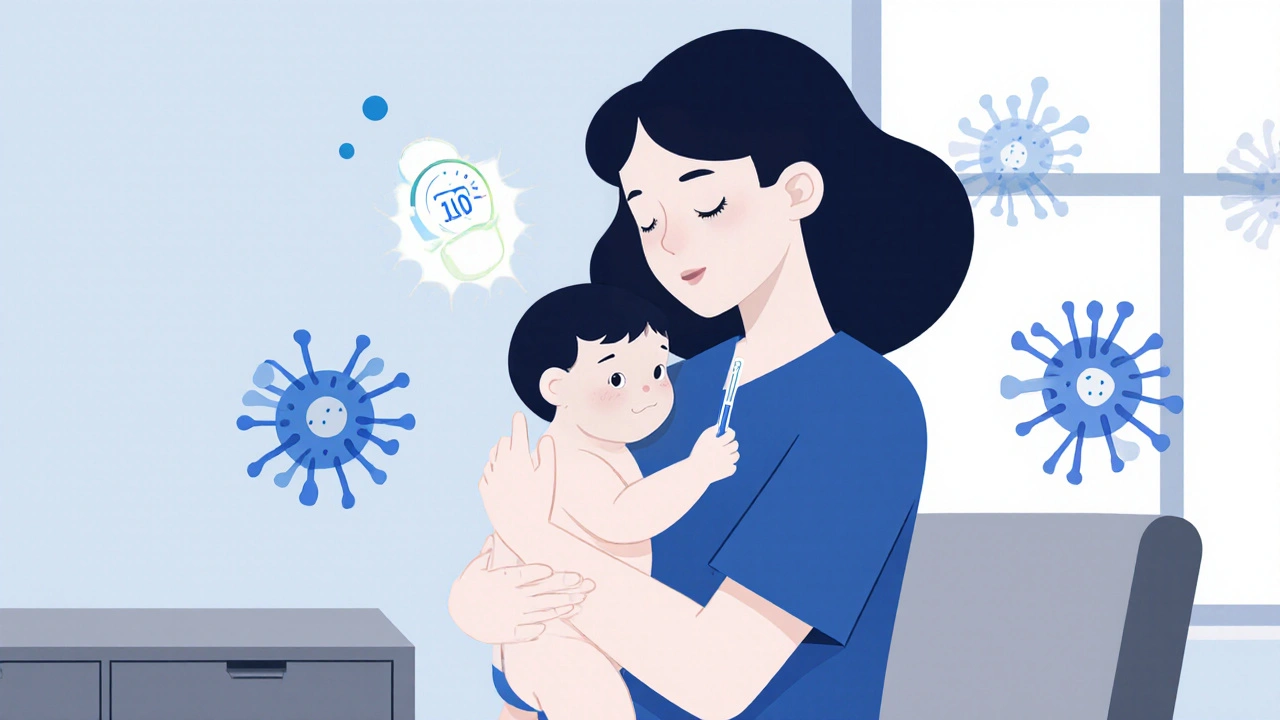
When to Give Fever Reducers After Your Child's Vaccines
- Nov, 16 2025
- 13
Learn the right time to give fever reducers after your child's vaccines. Discover when to wait, when to medicate, and which vaccines carry the highest fever risk-all backed by CDC and pediatric guidelines.
Categories
- Health and Medicine (78)
- Health and Wellness (57)
- Medicine (37)
- Women's Health (11)
- Mental Health (10)
- Men's Health (7)
- Beauty and Wellness (4)
- Health Information (4)
Archives
- April 2026 (3)
- March 2026 (11)
- February 2026 (11)
- January 2026 (25)
- December 2025 (28)
- November 2025 (25)
- October 2025 (27)
- September 2025 (14)
- August 2025 (3)
- July 2025 (2)
- June 2025 (2)
- May 2025 (3)
- online pharmacy
- medication safety
- generic drugs
- dietary supplement
- health benefits
- dietary supplements
- prevention
- fertility
- online pharmacy Australia
- side effects
- QT prolongation
- medication side effects
- diabetes medications
- GLP-1 agonists
- nocebo effect
- brand vs generic
- treatment
- treatment options
- benefits
- connection