
Cardiac Risk: What You Need to Know About Medications and Heart Health
When we talk about cardiac risk, the chance of developing serious heart problems like arrhythmias, heart attacks, or sudden cardiac death. Also known as heart disease risk, it's not just about smoking, weight, or family history—it's also about what’s in your medicine cabinet. Many prescription and even over-the-counter drugs quietly increase your cardiac risk, sometimes without you realizing it.
Take QT prolongation, a dangerous change in the heart’s electrical rhythm that can trigger a life-threatening arrhythmia called Torsades de Pointes. It’s linked to over 100 medications, including some antibiotics, antidepressants, and even anti-nausea pills. If you’re on more than one drug, especially if you’re older or have kidney issues, this isn’t just a footnote—it’s a red flag. The same goes for warfarin interactions, how common antibiotics can spike your bleeding risk by messing with blood thinners. A simple change in your antibiotic can send your INR through the roof. And then there’s diabetes medications, some of which raise heart failure risk, especially in seniors. Metformin is usually safe, but others? Not so much. Your blood sugar control shouldn’t come at the cost of your heart.
Cardiac risk isn’t a one-time checkup. It’s an ongoing conversation with your doctor, especially when you’re juggling multiple meds. It’s about timing—like how antacids can block your antibiotics and make your heart more vulnerable. It’s about knowing which drugs to avoid if you already have high blood pressure, kidney disease, or a history of irregular heartbeat. It’s not about fear. It’s about awareness. The posts below don’t just list side effects—they show you how to spot hidden dangers, understand what your pharmacist won’t always tell you, and ask the right questions before your next refill.
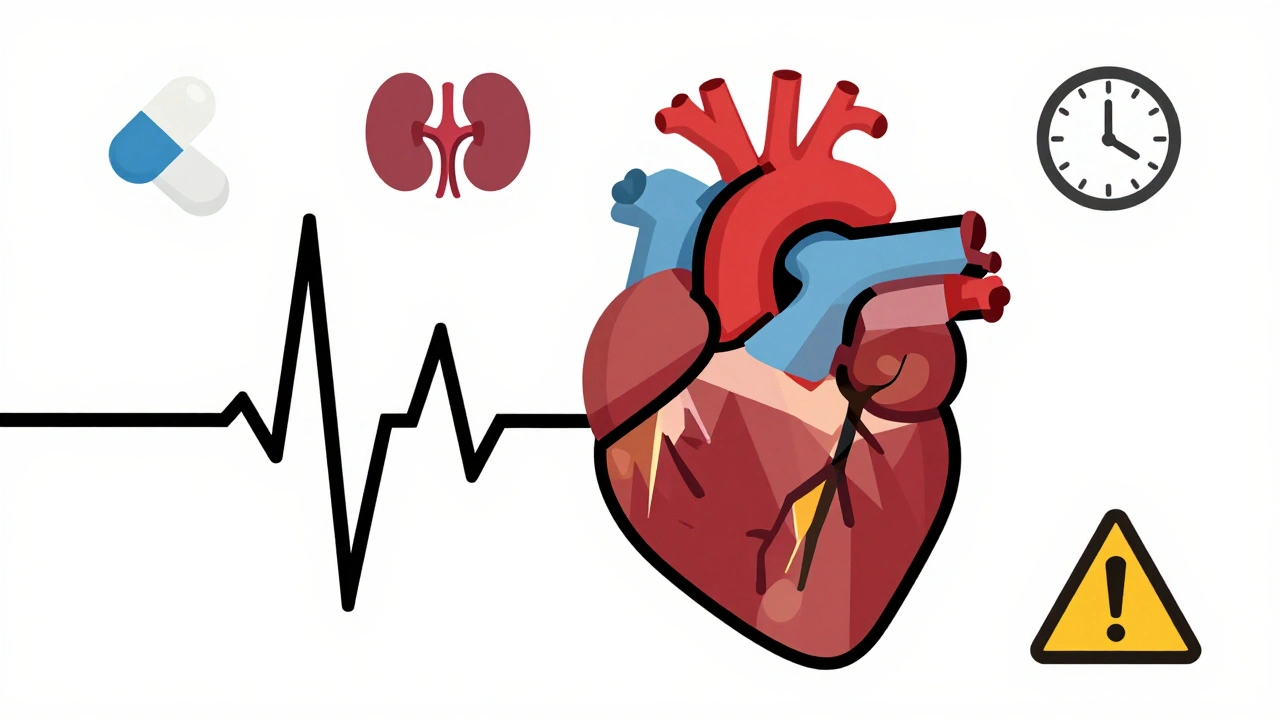
ECG Monitoring During Macrolide Therapy: Who Really Needs It?
- Dec, 1 2025
- 9
Macrolide antibiotics like azithromycin can cause dangerous heart rhythm changes. Learn who needs an ECG before taking them-and why skipping this step can be risky.
Categories
- Health and Medicine (78)
- Health and Wellness (57)
- Medicine (37)
- Women's Health (11)
- Mental Health (10)
- Men's Health (7)
- Beauty and Wellness (4)
- Health Information (4)
Archives
- April 2026 (3)
- March 2026 (11)
- February 2026 (11)
- January 2026 (25)
- December 2025 (28)
- November 2025 (25)
- October 2025 (27)
- September 2025 (14)
- August 2025 (3)
- July 2025 (2)
- June 2025 (2)
- May 2025 (3)
- online pharmacy
- medication safety
- generic drugs
- dietary supplement
- health benefits
- dietary supplements
- prevention
- fertility
- online pharmacy Australia
- side effects
- QT prolongation
- medication side effects
- diabetes medications
- GLP-1 agonists
- nocebo effect
- brand vs generic
- treatment
- treatment options
- benefits
- connection