
Breast Milk Storage: Safe Ways to Store, Freeze, and Use Pumped Milk
When you're pumping breast milk, breast milk storage, the practice of safely preserving expressed milk for later use. Also known as milk banking, it's a routine part of life for many nursing parents who work, travel, or need flexibility. The goal isn’t just to save milk—it’s to keep it safe, nutritious, and ready when your baby needs it.
Not all storage methods are the same. freezing breast milk, a common method to extend shelf life beyond a few days works best in deep freezers at 0°F or colder. Refrigerated milk lasts up to 4 days, but if you’re using it within 24 hours, it’s fine in the main fridge—not the door. Room temperature storage? Only up to 4 hours if it’s under 77°F. Too hot, and bacteria grow fast. Too cold, and you risk damaging nutrients if you refreeze thawed milk.
Containers matter too. Hard plastic or glass bottles with tight lids are best. Avoid regular zip-top bags—they leak. Specialized breast milk storage bags are designed to seal tightly and stand upright in the freezer. Label everything with the date and time you pumped. Older milk goes to the back; newest goes to the front. That’s how you avoid wasting precious milk.
breast milk shelf life, how long milk stays safe to use changes based on how you store it. Thawed milk should be used within 24 hours in the fridge. Never re-freeze it. Warm it under running warm water or in a bowl—not the microwave. Microwaves create hot spots that can burn your baby’s mouth and destroy antibodies. Shake gently before feeding—separation is normal. The cream rises to the top; that’s the good stuff.
Some parents worry about losing nutrients over time. Yes, some immune factors fade slowly, but even frozen milk is far better than formula. The key is using it within 6 months for best quality, though it’s still safe up to 12 months if kept frozen solid. Don’t toss it just because it’s been in there a while—if it smells fine and your baby drinks it, it’s good.
You’ll also find advice on pumping breast milk, the process of extracting milk with a pump for storage and how it affects storage. The cleaner your pump parts, the longer your milk lasts. Wash with hot soapy water after each use. Sterilize weekly. Dirty parts mean dirty milk. And if you’re combining milk from different pumping sessions, always cool the newer milk before adding it to the older, already-chilled milk.
What about when your baby is sick? Stored milk can be a lifesaver. It carries antibodies specific to what your body is fighting—so if you’re sick, your milk helps protect your baby. That’s why it’s worth the effort. You’re not just storing liquid—you’re storing immunity.
There’s no one-size-fits-all rule for breast milk storage. It depends on your life, your pump, your freezer, and your baby’s needs. But with the right tools and timing, you can build a system that works. Below, you’ll find real advice from parents and experts on how to avoid common mistakes, choose the best containers, handle thawing safely, and make the most of every drop—without stress or guesswork.
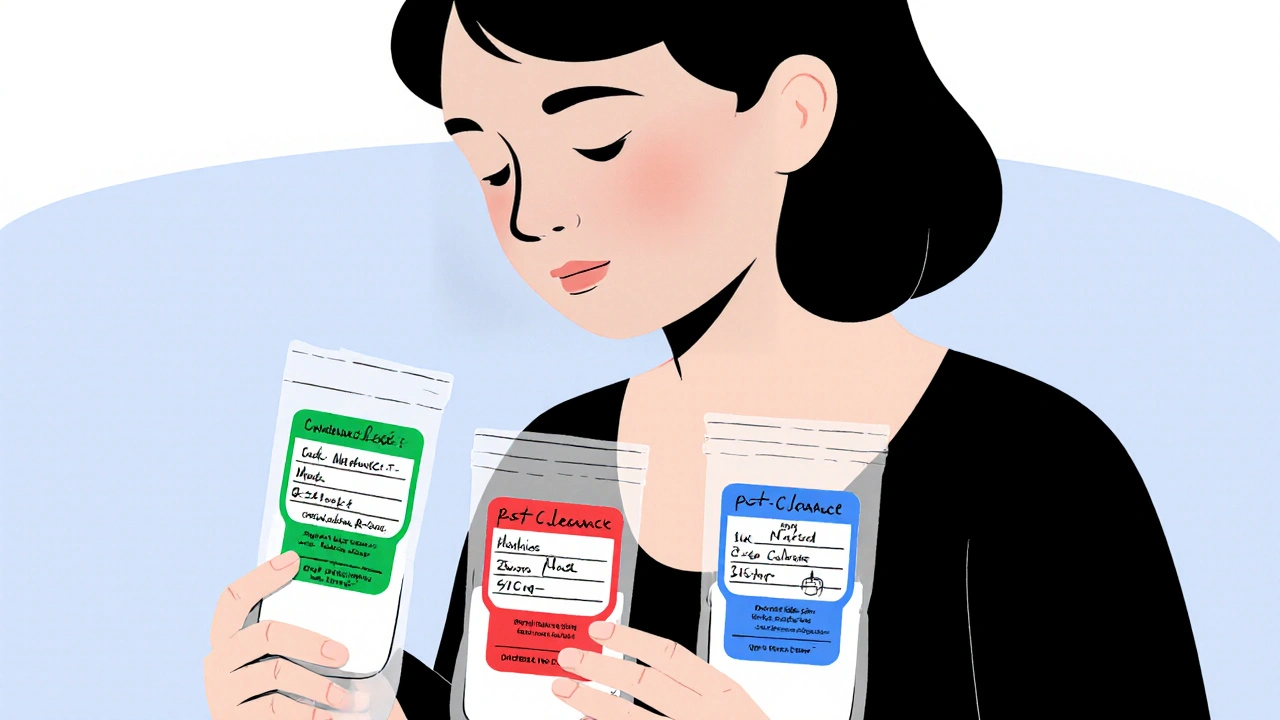
How to Store and Label Breast Milk When Taking Temporary Medications
- Nov, 18 2025
- 14
Learn how to safely store and label breast milk when taking temporary medications. Most meds are safe-no need to pump and dump. Just follow simple labeling rules to protect your baby and avoid wasting milk.
Categories
- Health and Medicine (78)
- Health and Wellness (57)
- Medicine (37)
- Women's Health (11)
- Mental Health (10)
- Men's Health (7)
- Beauty and Wellness (4)
- Health Information (4)
Archives
- April 2026 (3)
- March 2026 (11)
- February 2026 (11)
- January 2026 (25)
- December 2025 (28)
- November 2025 (25)
- October 2025 (27)
- September 2025 (14)
- August 2025 (3)
- July 2025 (2)
- June 2025 (2)
- May 2025 (3)
- online pharmacy
- medication safety
- generic drugs
- dietary supplement
- health benefits
- dietary supplements
- prevention
- fertility
- online pharmacy Australia
- side effects
- QT prolongation
- medication side effects
- diabetes medications
- GLP-1 agonists
- nocebo effect
- brand vs generic
- treatment
- treatment options
- benefits
- connection