
Antidepressant Risks: What You Need to Know Before Taking Them
When you start an antidepressant, a medication used to treat depression and some anxiety disorders by balancing brain chemicals like serotonin and norepinephrine. Also known as antidepressive drugs, they help millions feel better—but they aren’t harmless. Many people assume these pills are safe because doctors prescribe them, but that’s not the whole story. Antidepressants can cause real, sometimes serious, side effects that aren’t always talked about in brochures or ads.
One of the most common risks is weight gain, a metabolic side effect linked to certain antidepressants that alter appetite and how your body stores fat. Not all do this—bupropion, for example, often leads to weight loss—but drugs like paroxetine and mirtazapine are known to pack on pounds. Then there’s serotonin syndrome, a rare but life-threatening reaction caused by too much serotonin in the brain, often from mixing antidepressants with other drugs like painkillers or herbal supplements. Symptoms? Confusion, rapid heart rate, sweating, tremors. It doesn’t happen often, but if it does, you need help fast.
Another hidden risk is SSRI withdrawal, a set of physical and emotional symptoms that can hit hard when stopping antidepressants too quickly, even after just a few weeks. People call it "brain zaps," dizziness, nausea, or sudden anxiety. It’s not addiction—it’s your nervous system readjusting. But if you don’t taper slowly under supervision, you could feel awful for weeks. And it’s not just about stopping either. Some people find their depression gets worse after starting, especially in the first few weeks. That’s why close monitoring early on matters.
These aren’t theoretical concerns. Real people—your neighbors, coworkers, even friends—have dealt with these issues. One woman stopped her SSRI cold turkey after feeling better, only to spend two months with vertigo and panic attacks. Another man gained 30 pounds on his antidepressant, then quit because he couldn’t stand how he looked. These stories aren’t rare. They’re part of the real-world experience with these drugs.
What you’ll find below isn’t a list of warnings meant to scare you. It’s a collection of practical, evidence-based guides that show you exactly how to spot risks before they become problems. From how to avoid dangerous drug interactions to understanding why some antidepressants make you gain weight and others don’t, each post gives you tools to take control. You’ll learn how to talk to your doctor about alternatives, what symptoms to track, and how to safely adjust your treatment if things go off track. This isn’t about avoiding medication—it’s about using it wisely.
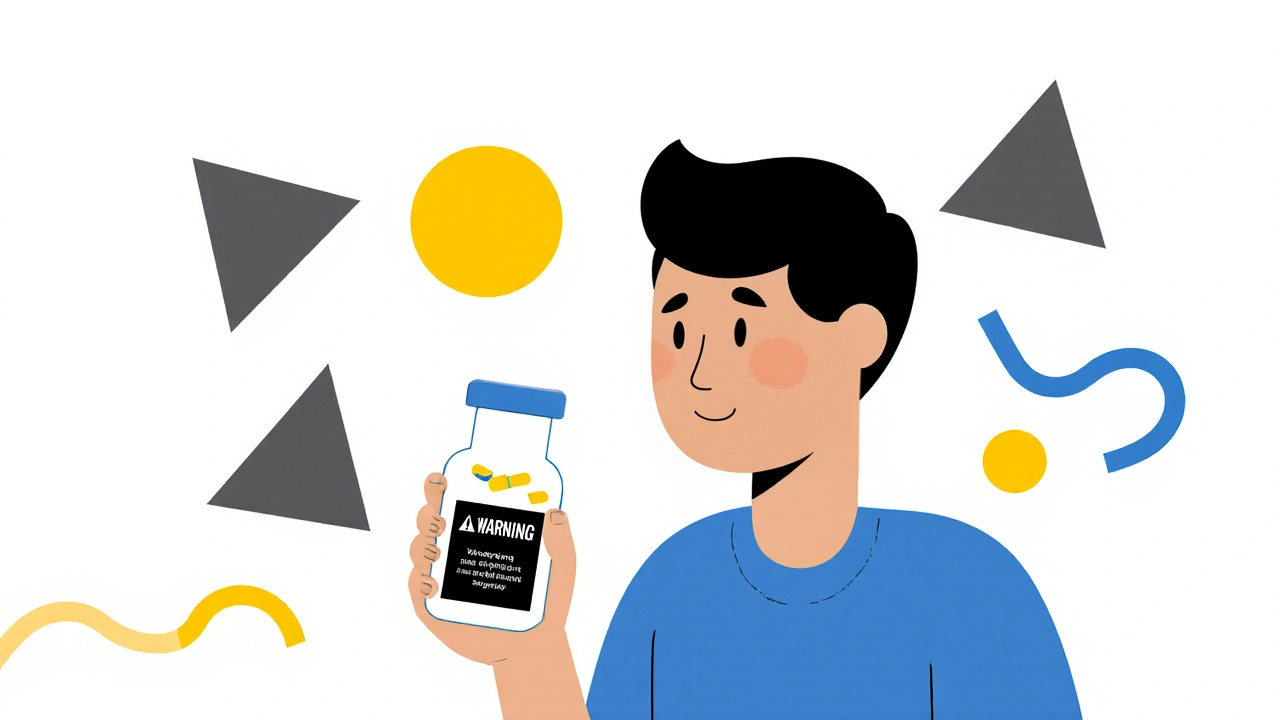
Suicidal Thoughts on Antidepressants: What the Black Box Warning Really Means
- Nov, 15 2025
- 7
The FDA's Black Box warning on antidepressants alerts users to increased suicidal thoughts in young people. But the real story is more complex - untreated depression is far more dangerous. Here's what you need to know.
Categories
- Health and Medicine (78)
- Health and Wellness (57)
- Medicine (37)
- Women's Health (11)
- Mental Health (10)
- Men's Health (7)
- Beauty and Wellness (4)
- Health Information (4)
Archives
- April 2026 (3)
- March 2026 (11)
- February 2026 (11)
- January 2026 (25)
- December 2025 (28)
- November 2025 (25)
- October 2025 (27)
- September 2025 (14)
- August 2025 (3)
- July 2025 (2)
- June 2025 (2)
- May 2025 (3)
- online pharmacy
- medication safety
- generic drugs
- dietary supplement
- health benefits
- dietary supplements
- prevention
- fertility
- online pharmacy Australia
- side effects
- QT prolongation
- medication side effects
- diabetes medications
- GLP-1 agonists
- nocebo effect
- brand vs generic
- treatment
- treatment options
- benefits
- connection