
Anaphylaxis Training: What You Need to Know to Save a Life
When someone has a severe allergic reaction, every second counts. anaphylaxis, a sudden, life-threatening allergic reaction that can shut down breathing and circulation. Also known as anaphylactic shock, it doesn’t wait for a doctor—it needs immediate action. This isn’t just for people with known allergies. It’s for parents, teachers, coworkers, and anyone who might be near someone who suddenly can’t breathe.
epinephrine auto-injector, a handheld device that delivers a life-saving dose of adrenaline during an anaphylactic emergency is the first and most critical tool. But knowing how to use it isn’t enough. You need to know when to use it. Many people wait too long—thinking it’s just a rash or a stomachache—until it’s too late. Anaphylaxis can start with itching or swelling, then quickly turn to wheezing, vomiting, dizziness, or loss of consciousness. The key is acting fast, not waiting for the worst to happen.
Training isn’t about memorizing medical jargon. It’s about recognizing the pattern: sudden onset, multiple body systems involved, and rapid worsening. It’s knowing that antihistamines won’t cut it—only epinephrine stops the reaction. It’s understanding that even if symptoms improve after the shot, you still need to call 911. The reaction can come back. And it’s realizing that bystanders who’ve been trained are the difference between life and death.
You don’t need to be a nurse or a doctor to help. Schools, workplaces, and community centers are starting to require basic anaphylaxis training. Why? Because 1 in 50 children has a food allergy, and adults can develop new ones at any age. Peanut, shellfish, bee stings, and certain medications are common triggers. But triggers change. So does the risk.
What you’ll find in these posts isn’t theory. It’s real-world guidance on how to handle anaphylaxis in daily life—how to store epinephrine properly, how to explain it to kids, how to avoid cross-contamination, and how to respond when someone collapses. You’ll see how it connects to other medication safety issues, like antibiotic reactions or drug interactions that can mimic allergic responses. These aren’t just stories—they’re lessons from people who’ve been there.
Knowing what to do could mean saving someone’s life tomorrow. And that’s not something you wait to learn until it’s too late.
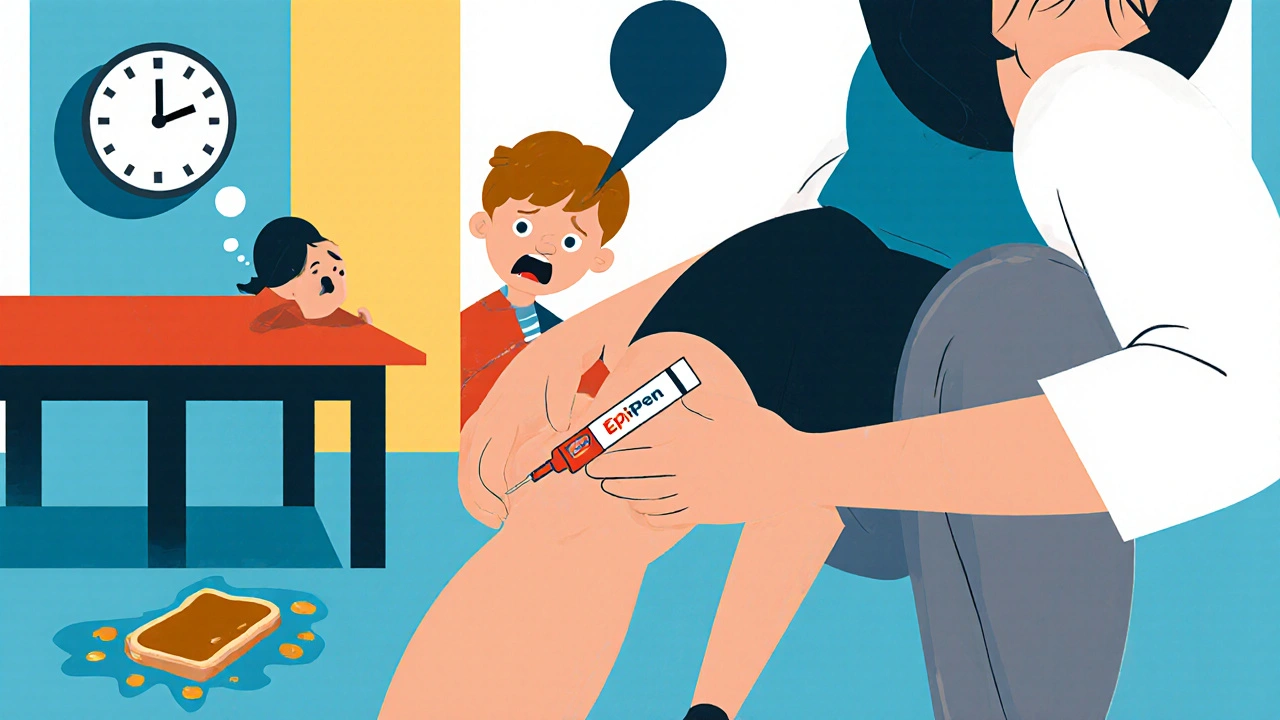
Epinephrine Auto-Injector Training: How to Prevent Mistakes and Save Lives
- Nov, 20 2025
- 13
Epinephrine auto-injector training saves lives-but only if done right. Learn how to prevent deadly mistakes in anaphylaxis response with correct technique, recognition of symptoms, and proven training methods.
Categories
- Health and Medicine (78)
- Health and Wellness (57)
- Medicine (37)
- Women's Health (11)
- Mental Health (10)
- Men's Health (7)
- Beauty and Wellness (4)
- Health Information (4)
Archives
- April 2026 (3)
- March 2026 (11)
- February 2026 (11)
- January 2026 (25)
- December 2025 (28)
- November 2025 (25)
- October 2025 (27)
- September 2025 (14)
- August 2025 (3)
- July 2025 (2)
- June 2025 (2)
- May 2025 (3)
- online pharmacy
- medication safety
- generic drugs
- dietary supplement
- health benefits
- dietary supplements
- prevention
- fertility
- online pharmacy Australia
- side effects
- QT prolongation
- medication side effects
- diabetes medications
- GLP-1 agonists
- nocebo effect
- brand vs generic
- treatment
- treatment options
- benefits
- connection