
SSRI Side Effects: Complete Overview from Mild to Severe
 Dec, 11 2025
SSRI Side Effect Timeline Calculator
Track Your Side Effects
Enter your SSRI medication and treatment duration to see expected side effect timelines
Side Effect Timeline for
After weeks
Most Likely Side Effects
Important Safety Notes
Report these symptoms immediately:
- High fever (>104°F)
- Severe confusion
- Seizures
- Severe muscle rigidity
When you start taking an SSRI-whether it’s sertraline, fluoxetine, or escitalopram-you’re not just starting treatment for depression or anxiety. You’re also stepping into a world of possible side effects, some mild, some disruptive, and a few that can be serious. The truth is, most people don’t talk about these side effects until they’re already living them. And by then, it’s too late to be prepared.
Let’s cut through the silence. SSRIs are the most prescribed antidepressants in the U.S., with over 48 million prescriptions for sertraline alone in 2023. But behind those numbers are millions of people dealing with nausea on day three, insomnia by week two, or sexual dysfunction that never goes away. This isn’t rare. It’s routine. And it’s not something you should just ‘wait out’ without knowing what’s happening.
What Are SSRIs, Really?
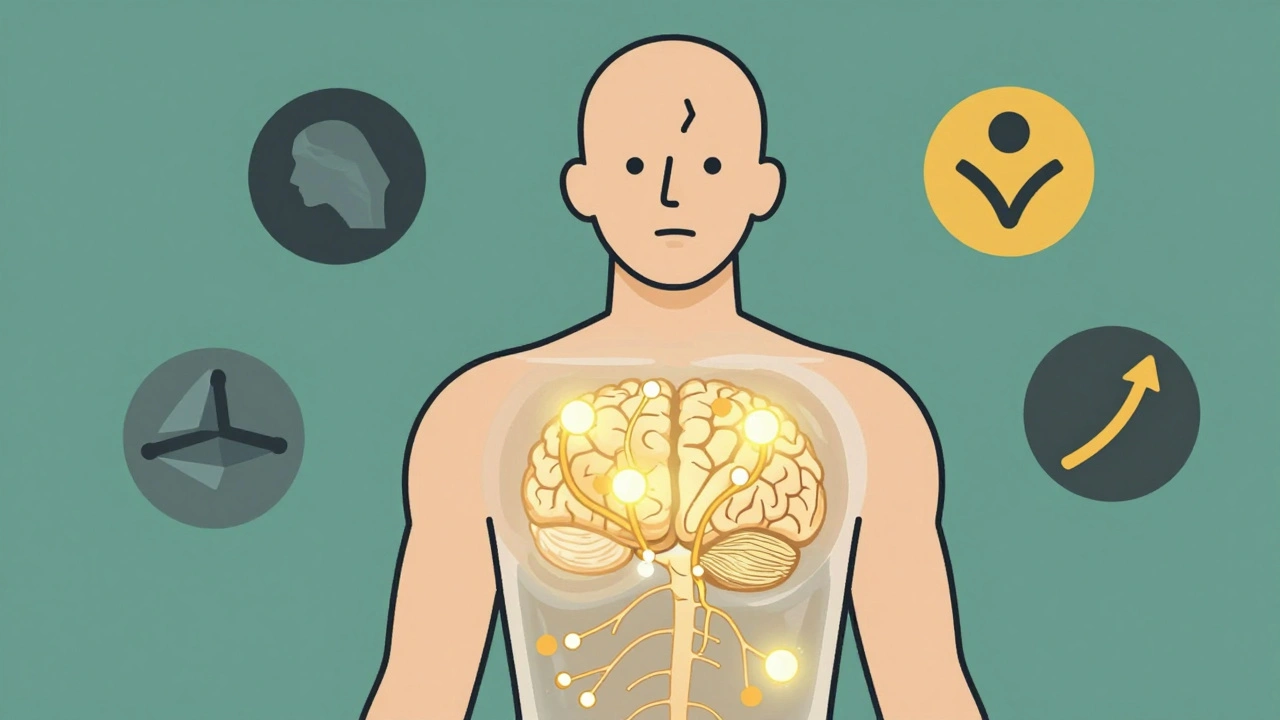
SSRIs stand for Selective Serotonin Reuptake Inhibitors. They work by blocking the brain from reabsorbing serotonin, leaving more of it available to help regulate mood, sleep, appetite, and emotional responses. That’s why they’re used for depression, OCD, panic disorder, and even chronic pain. But serotonin isn’t just a ‘happiness chemical.’ It’s involved in nearly every system in your body-from your gut to your genitals to your muscles.
That’s why side effects aren’t just ‘in your head.’ They’re physical. And they’re real.
Mild Side Effects: The Most Common (and Often Overlooked)
Up to 86% of people taking SSRIs report at least one side effect in the first few weeks. Most of these are mild, but that doesn’t mean they’re harmless. In fact, they’re the reason so many people quit.
- Nausea: Affects about half of users in the first week. It’s not just ‘feeling queasy.’ For some, it’s vomiting after meals. Taking the pill with food reduces nausea by 63%, according to a 2023 Psych Central survey.
- Drowsiness or insomnia: Some feel like they’re walking through molasses. Others can’t sleep at all. Sertraline tends to be more activating, while paroxetine is more sedating. Timing matters-taking it in the morning can help avoid sleep issues.
- Headache: Especially common with escitalopram. Often goes away in 1-2 weeks.
- Dry mouth: Reported by 19% of users. Can lead to dental issues if ignored.
- Diarrhea or constipation: Gut serotonin is everywhere. Up to 38% of early discontinuations are due to GI distress. Loperamide (Imodium) helps in 65% of diarrhea cases.
Here’s the thing: 78% of these mild side effects fade within 3-6 weeks. Your body adjusts. But if you quit before then, you’ll never know if it would’ve gotten better.
Sexual Dysfunction: The Silent Crisis
If you ask a doctor about SSRI side effects, they might mention nausea. They rarely mention sexual dysfunction. But it’s the #1 reason people stop taking SSRIs.
Studies show 56% of users experience sexual side effects. Real-world data? Up to 70%. That includes:
- Loss of libido (desire)
- Delayed or absent orgasm
- Erectile dysfunction in men
- Reduced genital sensation in women
It’s not just ‘in your head.’ It’s a direct effect of serotonin overstimulation on spinal cord receptors. And it doesn’t always go away after stopping the drug. A Reddit survey found 42% of users still had symptoms after six months.
What helps?
- Lowering the dose (works for 40% of people)
- Switching to bupropion (Wellbutrin), which doesn’t cause sexual side effects
- Adding sildenafil (Viagra) - shown to improve function in 67% of men in a controlled trial
- ‘Medication holidays’ - skipping the dose on weekends (controversial, but used by 28% of patients)
Don’t suffer in silence. Talk to your provider. There are solutions.
Weight Gain: The Slow Burn
Weight gain is one of the most feared side effects. And it’s real. About 49% of users gain weight on SSRIs. But it’s not immediate. Most gain 5-10 pounds over 6-12 months.
Why? SSRIs can increase appetite, slow metabolism, and alter how your body stores fat. Some, like paroxetine and mirtazapine (not an SSRI but often compared), are worse than others. Fluoxetine has a lower risk early on, but weight gain can creep up later.
A 2023 meta-analysis found that patients who combined SSRI use with structured diet and exercise gained 3.2 kg (7 pounds) less over six months than those who didn’t. That’s not a cure-but it’s control.
Don’t assume it’s inevitable. Track your food. Move daily. Talk to a nutritionist. Weight gain isn’t weakness. It’s pharmacology.
Serotonin Syndrome: When It Gets Dangerous
It’s rare. But it can kill you.
Serotonin syndrome happens when too much serotonin builds up-usually from mixing SSRIs with other drugs. Common culprits: tramadol, MDMA, certain migraine meds (triptans), St. John’s Wort, and even some OTC cough syrups with dextromethorphan.
Symptoms start mild:
- Rapid heart rate
- Sweating
- Tremors
- Agitation
Then escalate fast:
- High fever (over 104°F)
- Muscle rigidity
- Confusion
- Seizures
If you feel this, go to the ER. Don’t wait. It’s a medical emergency.
Hyponatremia: Low Sodium, High Risk
SSRIs are the #1 antidepressant class linked to low sodium levels in the blood. This is especially dangerous for older adults, women, and people on diuretics or with heart or kidney issues.
Symptoms are sneaky:
- Nausea
- Headache
- Confusion
- Fatigue
- Seizures or coma in severe cases
It usually happens in the first 2-4 weeks. Blood tests can catch it early. If you’re over 65, ask your doctor to check your sodium levels after 2-3 weeks on an SSRI.
Discontinuation Syndrome: The Withdrawal Trap
Many people think if they feel better, they can just stop. That’s a mistake.
SSRIs with short half-lives-like paroxetine and fluvoxamine-can cause withdrawal symptoms within 1-3 days of skipping a dose. Symptoms include:
- Dizziness
- Electric shock sensations (‘brain zaps’)
- Nausea
- Anxiety
- Insomnia
- Flu-like symptoms
It’s not addiction. It’s your brain readjusting to normal serotonin levels. But it feels awful. And it can last weeks.
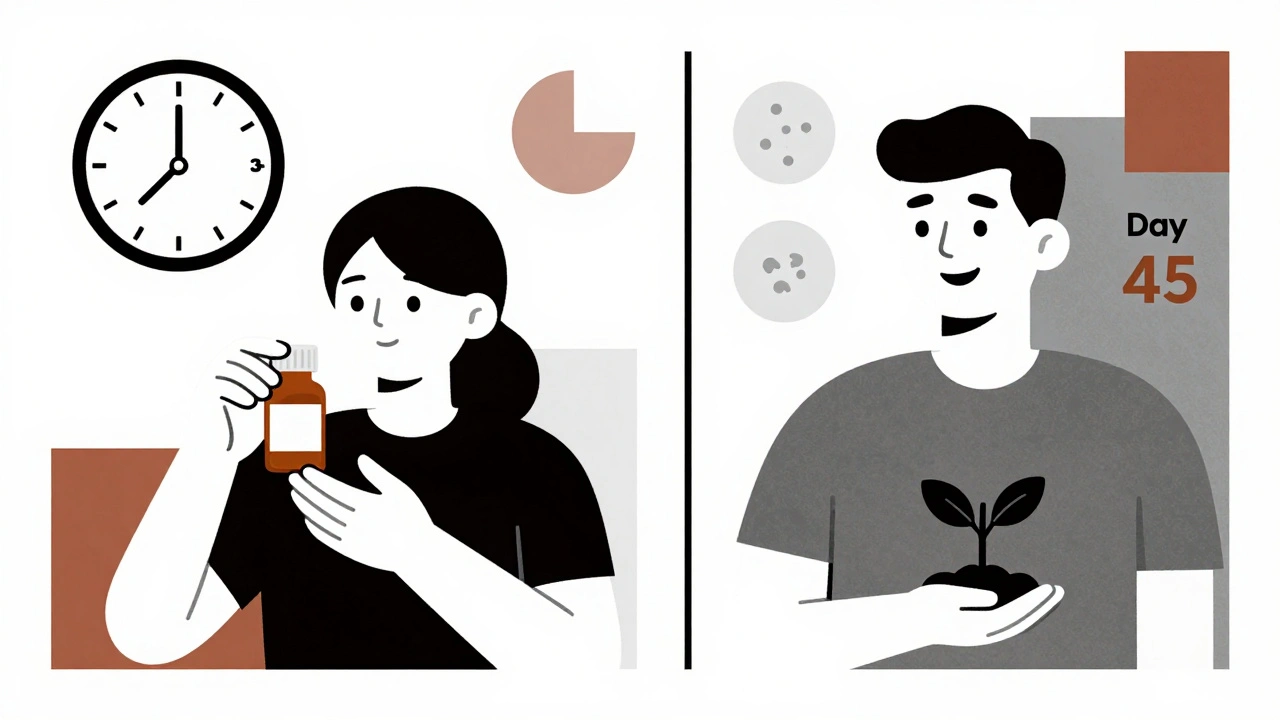
The fix? Taper slowly. Reduce by no more than 10-25% every 2-4 weeks. Don’t go cold turkey. Ever.
Long-Term Risks: Metabolic Changes and Muscle Effects
Most people don’t realize SSRIs can affect your metabolism. A 2023 FDA safety update flagged a 24% increased risk of insulin resistance and type 2 diabetes with long-term use. This is especially true if you’re already overweight or sedentary.
Research from Virginia Commonwealth University also shows SSRIs can change muscle composition and energy use-leading to fatigue, weakness, and even altered movement patterns. It’s not ‘just depression.’ It’s your whole body adapting.
What to do? Get regular blood work. Monitor fasting glucose. Stay active. Don’t assume you’re safe just because you’re not gaining weight.
What About the Other SSRIs? Which Is Best?
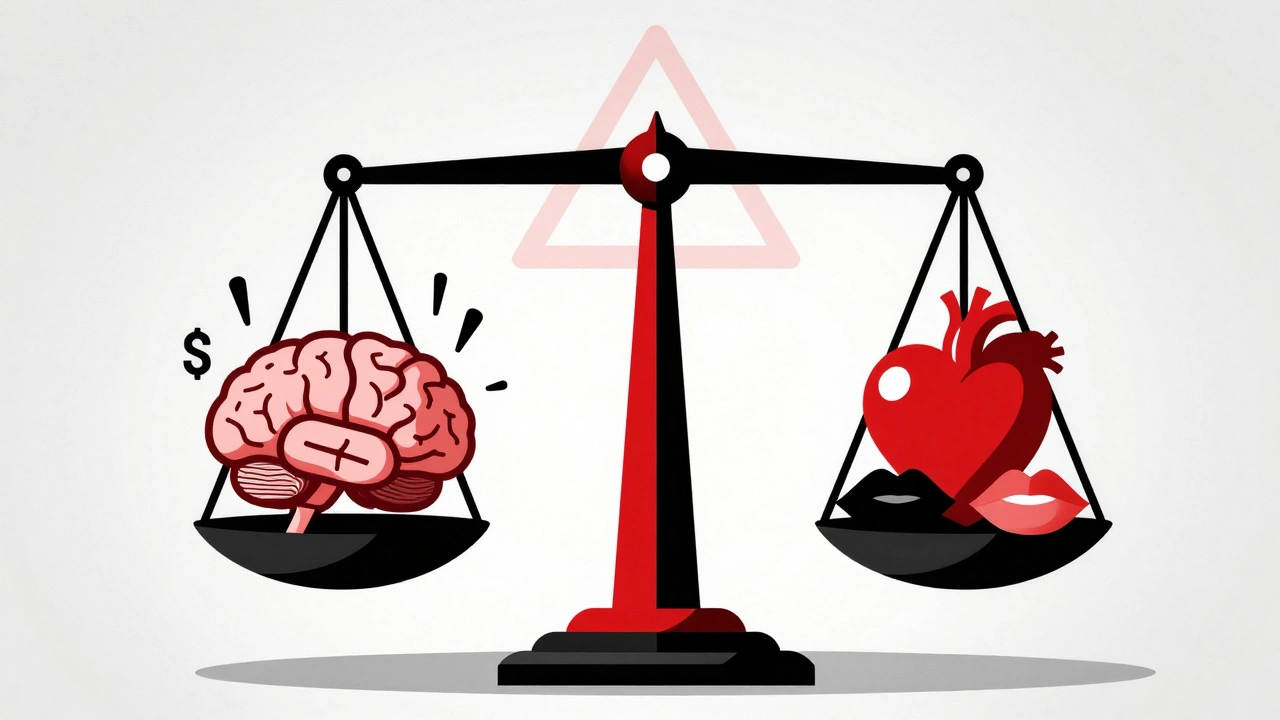
Not all SSRIs are the same. Here’s how they compare:
| SSRI | Best For | Worst Side Effects | Half-Life |
|---|---|---|---|
| Citalopram (Celexa) | General use, older adults | QT prolongation (heart rhythm risk at high doses) | 35 hours |
| Escitalopram (Lexapro) | Anxiety, OCD | Headache, dizziness, memory issues | 27-32 hours |
| Sertraline (Zoloft) | Depression, PTSD, panic | Diarrhea, decreased appetite | 26 hours |
| Fluoxetine (Prozac) | Long-term maintenance | Insomnia, weight gain (later) | 4-6 days |
| Paroxetine (Paxil) | Severe anxiety | Sexual dysfunction, weight gain, withdrawal | 21 hours |
| Fluvoxamine (Luvox) | OCD | Most side effects overall, highest discontinuation rate | 15 hours |
Fluoxetine’s long half-life makes it easier to taper. Paroxetine’s short half-life makes withdrawal worse. Sertraline is the most balanced for most people. But your genetics matter too.
What’s New? The Future of SSRI Treatment
Researchers are working on smarter SSRIs. One drug in Phase III trials, Lu AF35700, reduces sexual side effects by 37% compared to standard SSRIs. Time-release formulations are being tested to cut nausea by 31%.
Genetic testing is now being used by 63% of psychiatrists to predict who’s likely to have bad side effects. If you have certain variants in the SLC6A4 gene, you’re more prone to nausea or sexual dysfunction. Testing isn’t perfect-but it’s better than guessing.
What Should You Do?
If you’re starting an SSRI:
- Know what side effects to expect-and when they’ll likely fade.
- Don’t quit in the first 2 weeks. Give it time.
- Talk to your doctor about sexual side effects, weight, and sleep before you start.
- Ask about tapering plans if you ever want to stop.
- Track your symptoms. Use a journal or app.
If you’re already on one and struggling:
- Don’t feel guilty. Side effects aren’t a sign of weakness.
- There are options: dose changes, switching meds, adding another drug.
- Ask for help. You’re not alone.
SSRIs changed mental health care. But they’re not magic. They’re medicine. And like all medicine, they come with trade-offs. The goal isn’t to avoid side effects entirely. It’s to manage them so your life improves-not just your mood, but your body, your relationships, and your future.
Do SSRI side effects go away over time?
Yes, most mild side effects like nausea, headache, and dizziness improve within 2-6 weeks as your body adjusts. But some, like sexual dysfunction and weight gain, can persist long-term. If they don’t improve after 6-8 weeks, talk to your doctor about adjusting your dose or switching medications.
Which SSRI has the least side effects?
Citalopram is generally considered the best-tolerated SSRI, followed by sertraline and fluoxetine. Paroxetine and fluvoxamine have the highest rates of side effects and discontinuation. But ‘least side effects’ depends on your body-genetics, age, and other medications all play a role.
Can SSRIs cause permanent sexual dysfunction?
In rare cases, yes. A condition called Post-SSRI Sexual Dysfunction (PSSD) has been reported where sexual side effects persist for months or years after stopping the drug. It’s not well understood, but it’s real. If you experience this, seek help from a specialist familiar with the condition.
Is weight gain on SSRIs permanent?
Not necessarily. Weight gain often slows or stops after 6-12 months. Lifestyle changes-like regular exercise and a balanced diet-can prevent or reverse most of the gain. Some people even lose weight after switching to a different antidepressant like bupropion.
How do I safely stop taking an SSRI?
Never stop abruptly. Taper slowly: reduce your dose by 10-25% every 2-4 weeks. This is especially important for paroxetine and fluvoxamine, which have short half-lives and cause worse withdrawal. Work with your doctor to create a personalized plan. If you get withdrawal symptoms, slow down the taper.
Can SSRIs make depression worse?
In the first few weeks, some people feel more anxious or even suicidal, especially teens and young adults. This is why doctors monitor patients closely early on. If your mood worsens or you have new thoughts of self-harm, contact your provider immediately. It’s not the medication failing-it’s a signal to adjust your treatment.
Are there natural alternatives to SSRIs?
Exercise, therapy (like CBT), and light therapy have strong evidence for mild to moderate depression. Supplements like omega-3s or St. John’s Wort can help some people, but St. John’s Wort can dangerously interact with SSRIs. Don’t replace prescribed medication without medical supervision.
Final Thought: You’re Not Broken
Side effects don’t mean you’re failing. They mean your body is responding. The goal isn’t to find a perfect drug-it’s to find the right balance between relief and tolerability. Millions of people take SSRIs. Most get better. But only those who speak up about side effects get the help they need to stay on track.
Ask questions. Track symptoms. Don’t suffer in silence. Your mental health matters-but so does your physical well-being. You deserve both.
nikki yamashita
December 12, 2025 AT 00:27Just started sertraline last week and honestly? The nausea is brutal, but I’m sticking it out. Took it with food like the post said and it’s already better. You got this!! 💪
wendy b
December 12, 2025 AT 08:52Ugh, i read this and i just wanna scream. Like, yeah, SSRIs are ‘the most prescribed’ but did u ever think maybe we’re overmedicating normal sadness? 🤔 Also, ‘serotonin isn’t just a happiness chemical’ - wow, groundbreaking. I’m sure the pharma reps didn’t tell you that.
Audrey Crothers
December 12, 2025 AT 19:41THIS. I had sexual side effects for 8 months. Told my doc, she acted like it was normal. I switched to bupropion and my libido came back like a miracle. Don’t suffer in silence!! 🙏
Adam Everitt
December 13, 2025 AT 19:46It’s curious, isn’t it, how we’ve turned emotional distress into a biochemical puzzle to be solved with molecules… yet the soul, the lived experience, the quiet grief that doesn’t fit in a DSM box… remains unaddressed. SSRIs don’t heal; they dampen. And we call that progress?
Rob Purvis
December 15, 2025 AT 09:16Just to clarify: the 70% sexual dysfunction stat? That’s from real-world surveys, not clinical trials-where patients are often excluded if they’re too ‘affected.’ Important context. Also, if you’re on paroxetine, DO NOT quit cold turkey. I did. Brain zaps for weeks. Not fun. Taper slowly. Please.
Laura Weemering
December 16, 2025 AT 21:54…and yet, no one talks about how SSRIs are used to control ‘difficult’ women in corporate settings. You’re anxious? Here’s a pill. You’re angry? Here’s a pill. You’re tired of fighting? Here’s a pill. The system doesn’t want you fixed-it wants you quiet.
Stacy Foster
December 18, 2025 AT 16:59Wait-so they’re saying weight gain is ‘pharmacology’ and not a side effect? That’s corporate gaslighting. I gained 40lbs on Lexapro. My doctor said ‘it’s just water weight.’ Then she prescribed MORE meds. I think they’re in cahoots with the diet industry. 🤡
Reshma Sinha
December 19, 2025 AT 02:40As a psych nurse in Mumbai, I’ve seen patients on SSRIs for years. The GI side effects? Real. The sexual dysfunction? Worse. But the relief from panic attacks? Life-changing. It’s not black and white. Balance matters.
Lawrence Armstrong
December 19, 2025 AT 10:35For anyone on sertraline: try taking it at night if you’re having insomnia. I was up all night for 2 weeks. Switched to bedtime-slept like a baby. 😴 Also, don’t skip doses. Ever. I learned the hard way.
wendy b
December 20, 2025 AT 01:06Oh, so now we’re supposed to ‘track symptoms’ like we’re lab rats? Next they’ll give us a QR code to scan every time we feel nauseous. 🙄 And ‘genetic testing’? That’s just another way for Big Pharma to charge you more. I’ll take my gut feeling over a DNA report any day.