
Prediabetes: Early Warning Signs and How to Reverse It Before It's Too Late
 Jan, 15 2026
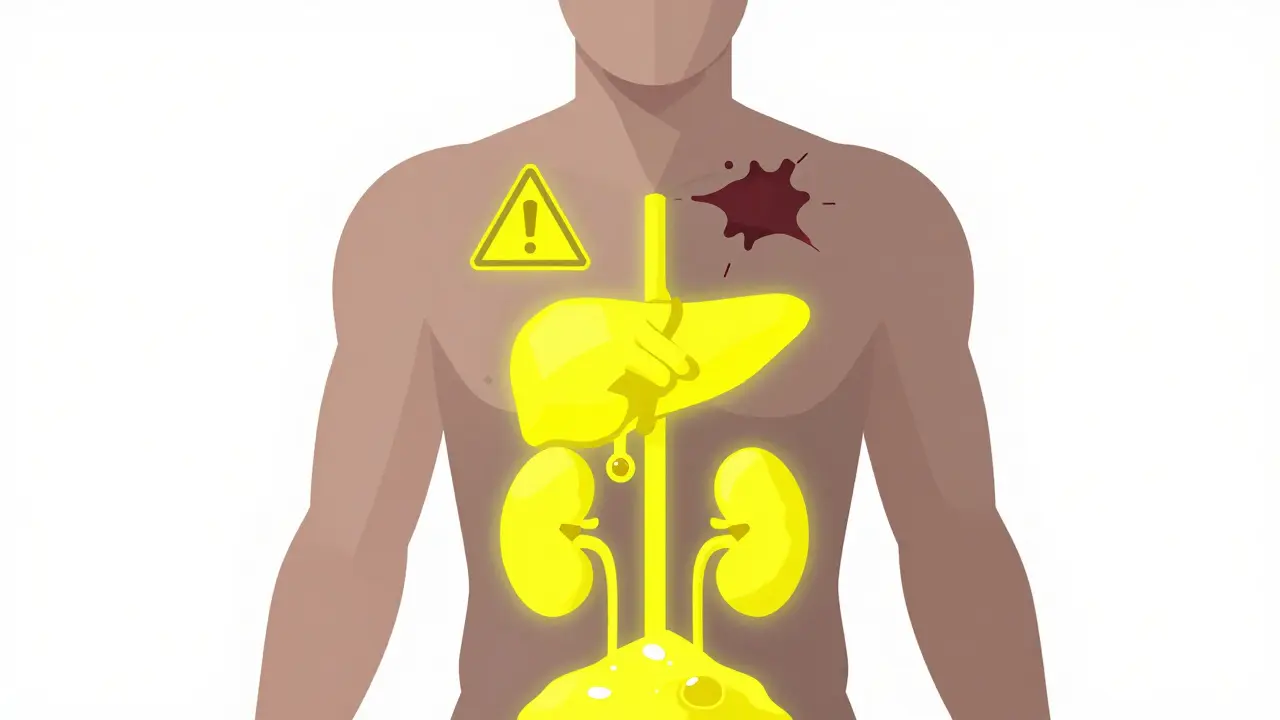
Most people with prediabetes don’t know they have it. That’s not because they’re ignoring their health-it’s because there often aren’t any obvious symptoms. But behind the scenes, your body is sending signals. Your cells are struggling to use insulin. Your pancreas is working overtime. Your blood sugar is creeping up. And if nothing changes, within five years, you could be diagnosed with type 2 diabetes. The good news? You’re not powerless. Prediabetes isn’t a life sentence. It’s a wake-up call-and one you can act on.
What Exactly Is Prediabetes?
Prediabetes means your blood sugar levels are higher than normal, but not high enough to be called diabetes yet. Think of it as a yellow light-not red, but you’re not safe to keep driving. According to the CDC, 96 million American adults have it. That’s more than one in three. And over 80% of them don’t even know it.
The diagnosis isn’t based on how you feel. It’s based on three simple blood tests:
- Fasting blood glucose: 100-125 mg/dL
- A1C: 5.7% to 6.3%
- Oral glucose tolerance test (2-hour result): 140-199 mg/dL
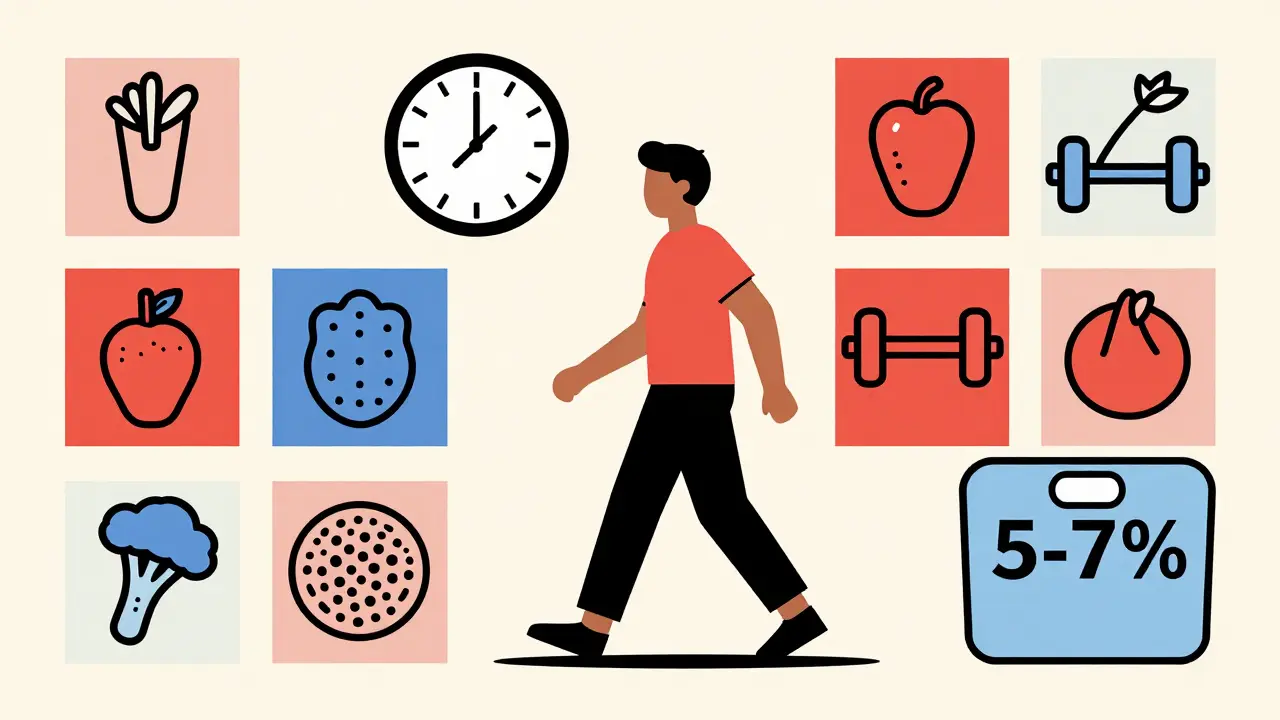
If your numbers fall in that range, you have prediabetes. And yes, it’s reversible. The landmark Diabetes Prevention Program found that losing just 5-7% of your body weight and getting 150 minutes of walking or other moderate activity each week cuts your risk of developing type 2 diabetes by 58%. That’s more effective than most medications.
Warning Signs You Might Be Missing
Yes, most people have no symptoms. But that doesn’t mean there aren’t any. When signs do show up, they’re subtle-and often dismissed as stress, aging, or just being "tired all the time."
- Constant thirst and frequent urination: When your blood sugar climbs above 180 mg/dL, your kidneys can’t reabsorb all the sugar. It spills into your urine, pulling water with it. That’s why you’re drinking more and going to the bathroom more often-even at night.
- Unexplained fatigue: Your cells aren’t getting the energy they need from glucose because insulin isn’t working right. You’re not lazy-you’re running on empty.
- Blurred vision: High blood sugar causes fluid to shift into your eye lens, changing its shape. This messes with your focus. It’s temporary, but it’s a sign your body is under strain.
- Increased hunger: Even after eating, your cells are starving for fuel. Your brain gets the signal to eat more, but you’re not gaining weight-you’re just hungrier.
- Dark patches on skin: Acanthosis nigricans looks like dirty, velvety skin in your neck, armpits, or groin. It’s not dirt. It’s a visible sign of insulin resistance.
- Slow-healing cuts or frequent infections: High sugar weakens your immune system. A small cut taking more than two weeks to heal? That’s not normal. Three yeast infections in a year? That’s a red flag.
- Tingling or numbness in hands or feet: Nerve damage starts quietly. It’s not arthritis. It’s early diabetic neuropathy.
- Unexplained weight loss: If you’re losing weight without trying-even while eating normally-it’s because your body is breaking down muscle and fat for energy. Your cells can’t use sugar, so they go looking elsewhere.
Women may also notice irregular periods, vaginal dryness, or trouble getting pregnant. These aren’t just "hormonal issues." They’re signs your metabolism is off.
Why Most People Don’t Know They Have It
The problem isn’t lack of awareness-it’s lack of testing. Doctors don’t automatically check your blood sugar unless you’re overweight, over 45, or have other risk factors. But even people with normal weight can have prediabetes. One in five adults with a healthy BMI still have elevated blood sugar.
Screening is simple. Ask your doctor for an A1C test. It’s a quick finger prick or blood draw that tells you your average blood sugar over the last three months. No fasting. No discomfort. And if your result is 5.7% or higher, you’re in the prediabetes range.
For people with risk factors-like a family history of diabetes, polycystic ovary syndrome, high blood pressure, or being over 45-screening every year is recommended. For everyone else, every three years is the baseline.
How to Reverse It: The Proven Plan
You don’t need a miracle. You need consistency. The science is clear: lifestyle changes work better than pills. Here’s what actually moves the needle:
1. Lose 5-7% of Your Body Weight
If you weigh 200 pounds, losing 10-14 pounds cuts your diabetes risk by half. You don’t need to go on a crash diet. Just reduce your daily calories by 500-700. Swap sugary drinks for water. Cut back on processed snacks. Eat more vegetables, lean protein, and whole grains.
Studies show that people who follow a Mediterranean-style diet-with olive oil, fish, nuts, beans, and fresh produce-have better blood sugar control than those on low-fat diets. The PREDIMED-PLUS trial found that 27.7% of people with prediabetes reversed it after a year on this plan.
2. Move Your Body Every Day
150 minutes a week isn’t a suggestion-it’s the minimum. That’s 30 minutes, five days a week. It doesn’t have to be gym workouts. Brisk walking, dancing, gardening, cycling-all count. The key is consistency. One study found that people who walked 10,000 steps a day lowered their A1C by 0.5% in just three months.
Strength training matters too. Muscle burns glucose. Two days a week of lifting weights or bodyweight exercises (squats, push-ups, lunges) improves insulin sensitivity more than cardio alone.
3. Sleep and Stress Matter
Skimping on sleep? Stress eating? Both raise cortisol, which spikes blood sugar. Aim for 7-8 hours of quality sleep. If you’re stressed, try 10 minutes of deep breathing or a daily walk outside. These aren’t "nice-to-haves." They’re part of the treatment plan.
4. Use Technology to Stay on Track
Most people quit lifestyle programs because they feel alone. Digital programs like Omada Health and Virta Health use apps, coaches, and connected scales to keep people accountable. One study showed 85% completion rates with these tools-far higher than traditional group classes.
Some people even use continuous glucose monitors (CGMs) to see how their food choices affect their blood sugar in real time. Seeing your numbers spike after a bagel or soda is a powerful motivator.
What Doesn’t Work
Don’t fall for quick fixes:
- Detox teas and juice cleanses? They don’t fix insulin resistance.
- Low-carb diets that eliminate all carbs? They’re unsustainable for most people.
- Weight-loss pills without lifestyle changes? They don’t reverse the root cause.
There’s no magic pill. But there is a magic routine: eat better, move more, sleep well, and stay consistent.
The Bigger Picture: Why This Matters
Prediabetes isn’t just about you. It’s about your family, your healthcare system, and your future. In the U.S., prediabetes costs $44 billion a year in medical bills and lost productivity. By 2050, one in three Americans could have diabetes.
But here’s the hopeful part: we already know how to stop it. The Diabetes Prevention Program followed people for 15 years. Those who made lifestyle changes had a 27% lower chance of developing diabetes than those who didn’t. And the benefits kept growing. Older adults saw even bigger gains.
Reversing prediabetes isn’t just about avoiding diabetes. It’s about avoiding heart disease, stroke, kidney failure, and nerve damage. It’s about keeping your energy, your independence, and your quality of life.
What to Do Next
Here’s your action plan:
- Ask your doctor for an A1C test. If you’re over 35 or overweight, don’t wait for symptoms.
- If your A1C is 5.7% or higher, ask about the CDC’s National Diabetes Prevention Program. It’s covered by Medicare and many private insurers.
- Start small: swap one sugary drink for water each day. Take a 10-minute walk after dinner.
- Track your progress. Use a free app or a notebook. Write down what you eat, how you move, and how you feel.
- Don’t wait for perfection. Progress beats perfection every time.
You’re not doomed. You’re not broken. You’re just at a turning point. And you have the power to change direction.
Can prediabetes be reversed completely?
Yes. Studies show that 50-60% of people with prediabetes can return to normal blood sugar levels through weight loss, exercise, and better eating. The key is sustained lifestyle change-not a short-term diet. Some people reverse it within months; others take a year or two. But the longer you stick with healthy habits, the more likely the reversal lasts.
Do I need medication for prediabetes?
Not usually. Lifestyle changes are the first and best treatment. Metformin is sometimes prescribed for high-risk patients, especially those under 60 with obesity or a history of gestational diabetes. But even then, it’s used alongside-not instead of-diet and exercise. Medication doesn’t fix insulin resistance; lifestyle does.
Can I have prediabetes and still be thin?
Absolutely. About 20% of people with prediabetes have a normal BMI. Genetics, inactivity, poor sleep, and high stress can all lead to insulin resistance-even without excess weight. Don’t assume you’re safe just because you’re not overweight. Get tested if you have other risk factors.
How often should I get tested for prediabetes?
If your A1C is normal, get tested every three years. If you’ve been diagnosed with prediabetes, get tested every year. If you’re overweight, over 45, have a family history of diabetes, or have had gestational diabetes, annual testing is recommended regardless of your last result.
Is prediabetes the same as insulin resistance?
Prediabetes is the result of insulin resistance-or sometimes, early insulin deficiency. Insulin resistance means your cells don’t respond well to insulin, so sugar stays in your blood. That’s what pushes your A1C into the prediabetes range. Not everyone with insulin resistance has prediabetes yet, but most people with prediabetes have insulin resistance.
Can I eat carbs if I have prediabetes?
Yes-but choose the right kinds. Avoid refined carbs like white bread, pastries, and sugary cereals. Focus on whole grains (oats, quinoa, brown rice), legumes, fruits, and vegetables. Portion size matters. Pair carbs with protein or healthy fats to slow sugar absorption. A small apple with peanut butter is better than a slice of white toast.
Will losing weight lower my A1C?
Yes. Losing just 5% of your body weight can lower your A1C by 0.5% to 1%. That’s the difference between prediabetes and normal blood sugar for many people. Weight loss improves how your body uses insulin, so your pancreas doesn’t have to work as hard.
Can stress cause prediabetes?
Chronic stress doesn’t directly cause prediabetes, but it makes it worse. Stress hormones like cortisol raise blood sugar and increase cravings for sugary, fatty foods. Over time, this can push you into prediabetes-especially if you’re already at risk. Managing stress isn’t optional. It’s part of treatment.
Niki Van den Bossche
January 16, 2026 AT 16:30The real tragedy isn't prediabetes-it's that we've turned health into a performance art. People post kale smoothies on Instagram while their insulin receptors scream into the void. We don't need more ‘lifestyle changes’-we need a cultural reckoning with how capitalism commodifies suffering. Your pancreas isn't a profit center. Stop treating your body like a subscription service you can cancel when it’s inconvenient.
Jan Hess
January 18, 2026 AT 15:51Just started walking after dinner and swapped soda for sparkling water-already feel lighter. No magic, just momentum. If I can do it after years of ignoring my health, anyone can. Small steps, daily. That’s the secret. You don’t need to be perfect, just persistent. Keep showing up.
Iona Jane
January 19, 2026 AT 20:47They don’t want you to know this but the real cause is glyphosate in your food and fluoride in the water. Big Pharma and the USDA are hiding the truth. Your A1C is a distraction. The real test is whether you’re being poisoned by the system. That dark skin patch? That’s your body screaming for detox. They’ll never tell you this on TV.
Jaspreet Kaur Chana
January 21, 2026 AT 20:25In India we used to say ‘jaldi mat bano, dhire dhire chalo’-don’t rush, walk slowly. My uncle reversed his prediabetes by eating roti with dal every day, walking 6 km before sunrise, and sleeping by 9 PM. No apps, no trackers, just rhythm. We lost something when we replaced tradition with technology. Sometimes the oldest wisdom is the most effective. Your body remembers what your phone forgot.
Sarah Mailloux
January 23, 2026 AT 03:24I was diagnosed last year and thought I was doomed. Then I started meal prepping with my mom on Sundays. We made big batches of quinoa bowls with black beans and roasted veggies. No more takeout. No guilt. Just food that feels good. I lost 12 pounds. My A1C dropped from 6.1 to 5.4. It’s not about restriction-it’s about connection. To your body, to your people, to your meals.
Nilesh Khedekar
January 23, 2026 AT 12:56Let’s be real-this post is a corporate wellness brochure dressed up as a lifeline. ‘Lose 5-7%’? That’s what they tell you when they’re selling you a $300/month coaching program. The real solution? Stop eating processed garbage and move more. No app needed. No ‘CDC program’ required. Just eat real food. Walk. Sleep. Breathe. Stop paying for solutions that should be free.
Jami Reynolds
January 24, 2026 AT 20:17It is imperative to note that the Diabetes Prevention Program’s findings, while statistically significant, were conducted under highly controlled conditions with intensive behavioral counseling. Real-world adherence rates are significantly lower, and the long-term sustainability of weight loss in the general population remains empirically questionable. Furthermore, the A1C threshold of 5.7% lacks universal biological consensus, and diagnostic variability across populations may lead to overdiagnosis. One must exercise caution before accepting these metrics as definitive.
Amy Ehinger
January 25, 2026 AT 21:12My grandma had prediabetes in the 80s and never even knew it. She just ate homegrown tomatoes, walked to the store every day, and never owned a scale. She lived to 98. I think we’ve overcomplicated this. It’s not about tracking macros or buying CGMs. It’s about slowing down, eating food that doesn’t come in a package, and moving your body because it feels good-not because you have to. Sometimes the cure is just… life as it used to be.
RUTH DE OLIVEIRA ALVES
January 26, 2026 AT 16:38It is an incontrovertible fact that prediabetes represents a metabolic phenotype amenable to reversal through sustained, evidence-based lifestyle modification. The literature, including the Diabetes Prevention Program and PREDIMED-PLUS trials, provides robust, longitudinal data supporting the efficacy of caloric reduction, increased physical activity, and dietary pattern optimization. One must, however, acknowledge the sociodemographic disparities in access to care and nutritional resources. Therefore, while individual agency is critical, systemic interventions-including policy reform, subsidized healthy food access, and universal screening-are equally imperative to achieve population-level impact.