
Parasitic Infections: Giardia, Pinworms, and How to Treat Them Effectively
 Feb, 1 2026
What You’re Up Against: Giardia and Pinworms
Imagine waking up with stomach cramps, diarrhea that won’t quit, and itching so bad around your anus you can’t sleep. It’s not allergies. It’s not food poisoning. It’s giardia or pinworms - two of the most common parasitic infections you’ve probably never heard of until you’re stuck with them.
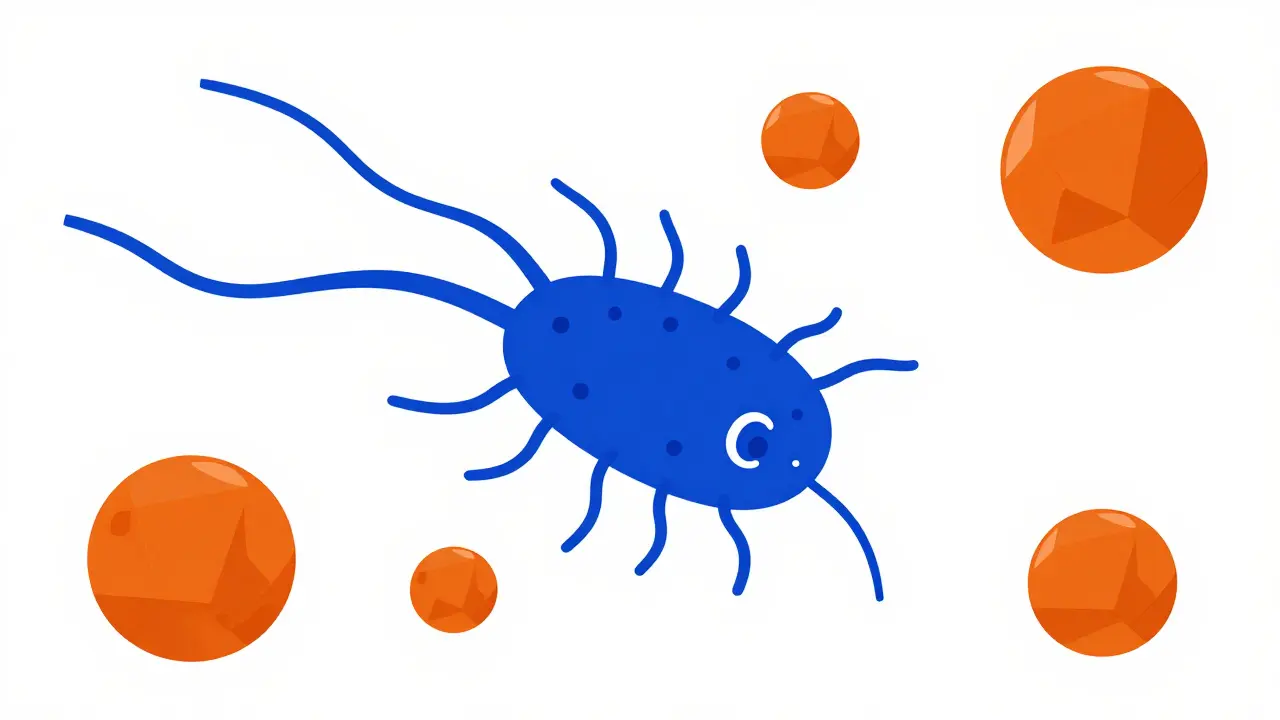
Giardia is a microscopic parasite that lives in your small intestine. It’s not a worm. It’s a protozoan - a single-celled organism that swims around using tiny whip-like tails. You pick it up by drinking water from a stream, swallowing a contaminated bite of food, or touching a surface someone with giardia touched and then putting your fingers in your mouth. The CDC says it’s the most common parasitic cause of diarrhea in the U.S., with over a million cases every year.
Pinworms, on the other hand, are tiny white worms, about the length of a staple. They live in your colon and come out at night - yes, at night - to lay eggs around your anus. That’s when the itching starts. It’s so intense, kids often wake up crying. Pinworms are the most common worm infection in the U.S., especially in children between 5 and 10. But adults get them too, especially parents, teachers, and caregivers.
Here’s the kicker: you can have either one and feel fine. Up to 30% of infected people show no symptoms. That’s why these infections spread so easily. Someone doesn’t feel sick, doesn’t wash their hands after using the bathroom, and passes it on. That’s how a whole family ends up infected.
How You Get Infected - And Why It’s So Easy
Giardia doesn’t care if you live in a city or a cabin in the woods. It thrives in water. Cysts - the hard-shelled, dormant form of the parasite - can survive for months in cold water. That’s why hikers, campers, and even people who drink from poorly maintained municipal water systems are at risk. In developing countries, it’s everywhere. In the U.S., outbreaks happen in daycare centers, swimming pools, and after floods.
Pinworms are even sneakier. The eggs are so light they can float in the air. A child scratches their itchy bottom, gets eggs under their fingernails, and then touches a doorknob, a toy, or their own food. Someone else touches it. They eat. The cycle starts again. Eggs can live on bedding, towels, or clothing for up to three weeks. That’s why treating just the person who’s sick doesn’t work. You have to treat the whole household.
One study found that when one person in a home has pinworms, 75% of others are already infected - even if they don’t have symptoms. And here’s something most people don’t realize: you don’t need to travel to a dirty country to catch these. They’re right here, in your kitchen, your school, your office.
What the Symptoms Really Look Like
Giardia doesn’t just give you diarrhea. It gives you explosive, watery, foul-smelling diarrhea - sometimes up to 10 times a day. You’ll feel bloated, gassy, and nauseous. Fatigue hits hard. You lose weight because your body can’t absorb nutrients. Some people develop lactose intolerance that lasts for months after the infection clears. In chronic cases, the parasite damages the lining of your small intestine, leading to long-term malabsorption.
Pinworm symptoms are simpler but no less miserable. It’s all about the itching. Not a little itch. A deep, burning, sleep-destroying itch around the anus - usually between 2 a.m. and 4 a.m. when the female worms crawl out to lay eggs. Kids will rub their bottom on the bed, scratch until it bleeds, or cry because they can’t sleep. In girls, the worms can sometimes migrate to the vagina, causing irritation or discharge. You won’t see the worms unless you’re looking closely at night with a flashlight. They’re small, white, and move slowly.
Both infections can be silent. One parent told me they thought their child was just being fussy until they saw the worms crawling on the toilet paper. That’s when they knew.
How Doctors Diagnose Them - And Why It’s Not Always Simple
For giardia, a regular stool test often misses it. That’s because the parasite doesn’t show up in every sample. The CDC recommends a stool antigen test - a special test that looks for giardia proteins. It’s 95% accurate. If your doctor just does a basic microscope check, you might get a false negative. That’s why people suffer for months before getting the right diagnosis.
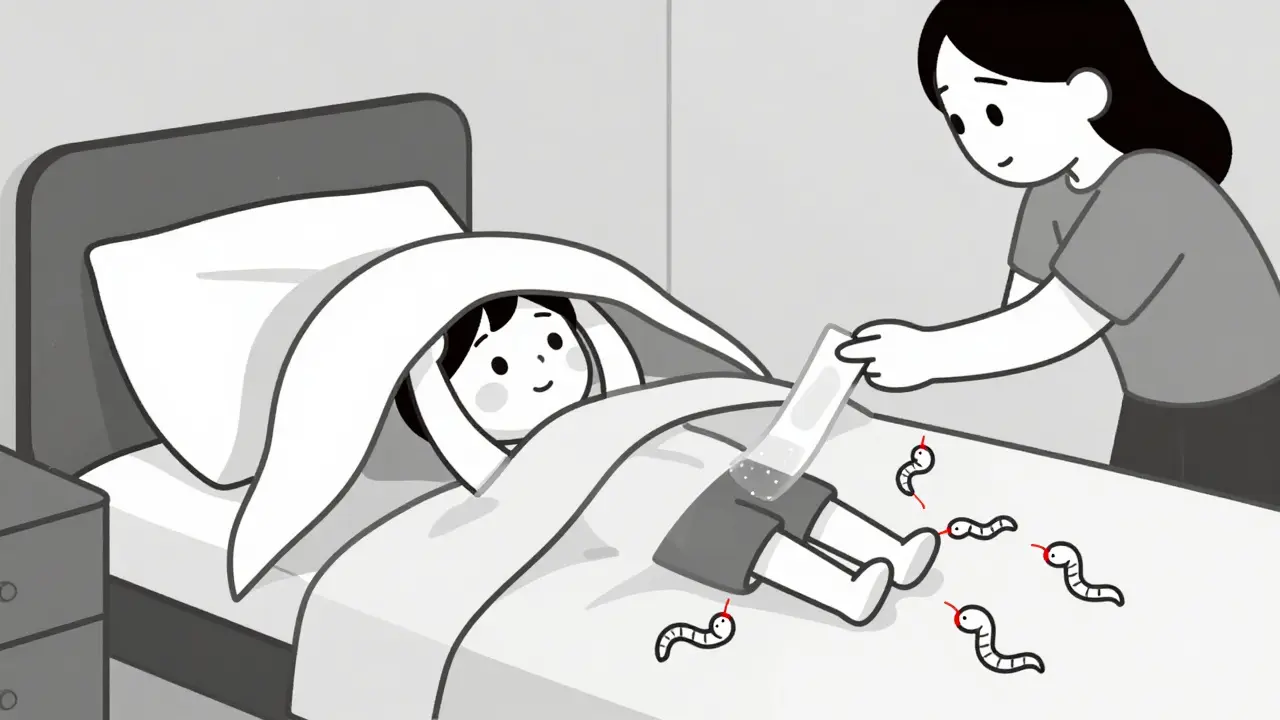
For pinworms, there’s a simple trick called the “tape test.” You press a piece of clear tape against the skin around the anus first thing in the morning - before bathing or using the toilet. You stick it to a slide and take it to the doctor. Under the microscope, the eggs look like tiny rice grains. One test catches it about half the time. Three tests in a row catch it 90% of the time. Most doctors don’t think to ask for this test unless you bring it up.
And here’s the problem: many primary care doctors still treat diarrhea as “gastro” and give antacids or probiotics. It’s not until the patient says, “I’ve been sick for six weeks,” that they think, “Could this be giardia?” A 2022 study found that only 65% of doctors correctly identify giardia on the first visit.
How to Treat Giardia - And What Actually Works
There are three main drugs used to treat giardia:
- Metronidazole - 250 mg three times a day for 5 to 7 days. This is the most common. But 78% of people report a terrible metallic taste in their mouth. Some get nauseous. Alcohol can cause severe reactions - no beer, wine, or cocktails while taking it.
- Tinidazole - One single 2-gram dose. Same effectiveness, fewer days. Less nausea. But it’s more expensive and harder to find.
- Nitazoxanide - 500 mg twice a day for 3 days. Approved for kids as young as 1. Fewer side effects. Good option if you can’t tolerate metronidazole.
Cure rates are 80-95% if you take the full course. But if you stop early because you feel better, the parasite comes back. And resistance is rising. In Southeast Asia, 15% of cases don’t respond to metronidazole anymore. In the U.S., it’s still around 5%.
Important: You need to stay home from work or school for at least two weeks after symptoms end. Even if you feel fine, you can still shed cysts in your poop. Daycare workers, chefs, and healthcare workers are required to wait.
How to Treat Pinworms - And Why You Must Treat Everyone
Pinworm treatment is simple, but the execution is tricky.
- Mebendazole - 100 mg single dose. Repeat after two weeks. Only for kids over 2.
- Albendazole - 400 mg single dose. Repeat after two weeks. Also approved for kids over 2. The CDC updated its guidelines in January 2024 to recommend a triple dose (400 mg three times, one week apart) for resistant cases. Success rate jumps to 98%.
- Pyrantel pamoate - Available over the counter. 11 mg per kg of body weight, up to 1 gram. One dose, repeat in two weeks.
Here’s the catch: treat everyone in the house at the same time. Even if they don’t have symptoms. Even if they’re adults. Even if they’re not scratching. The eggs are everywhere. If you treat only the child, you’ll just re-infect them within days.
And you must clean. Wash all bedding, pajamas, and towels in hot water. Dry on high heat. Vacuum carpets and upholstery. Wipe down doorknobs, toys, and countertops. Don’t shake out laundry - that sends eggs flying. And no sharing towels or washcloths.
One parent on Reddit said they cleaned their house twice, treated everyone, and still had recurrence. Then they realized: their dog’s bed was on the floor next to the child’s bed. The dog’s fur had eggs from the child’s skin. They washed the dog’s bedding - and it was over.
Prevention: The Real Game-Changer
Medication fixes the infection. But prevention stops it from coming back.
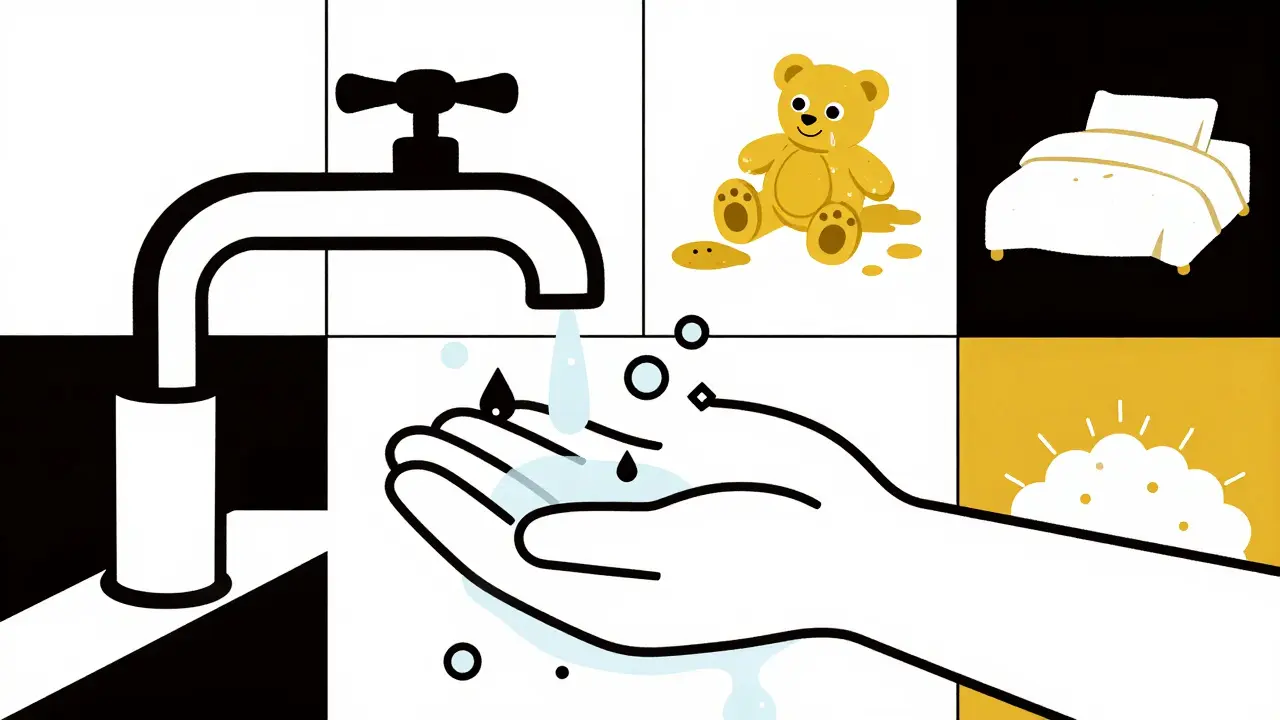
Handwashing is the #1 defense. Use soap and water for at least 20 seconds - the time it takes to sing “Happy Birthday” twice. Scrub under your nails. Wash after using the bathroom, before eating, and after changing diapers. Studies show this cuts transmission by 30-50%.
Water safety matters. If you’re hiking or traveling, boil water for one full minute. Or use a filter with a pore size smaller than 1 micron. Regular water bottles or coffee filters won’t work. Giardia cysts are too small.
Food safety is often ignored. Wash fruits and veggies, even if you’re peeling them. Parasites can be on the skin. Don’t drink untreated water from lakes, rivers, or public fountains.
For families with kids: keep fingernails short. No thumb-sucking or nail-biting. Change underwear daily. Bathe in the morning to wash off eggs laid overnight.
What Happens If You Don’t Treat It
Giardia can turn chronic. Malnutrition, weight loss, and failure to thrive in children are real risks. In people with weakened immune systems - like those with HIV - giardia can last for months or even years. It’s not just an upset stomach. It’s a slow drain on your body.
Pinworms don’t kill you. But they can cause sleep deprivation, anxiety, and behavioral issues in kids. Constant itching leads to skin infections. Girls can get urinary tract or vaginal infections from worms migrating. And the stress on families? Real. Parents lose sleep. Kids miss school. Siblings fight over who’s “the carrier.”
And here’s the hidden cost: reinfection. One person treated. One person not. One contaminated towel. One uncleaned toy. It starts again. That’s why so many people think the treatment didn’t work - when it did. They just didn’t treat the environment.
What’s Next? Vaccines, Climate Change, and the Future
There’s no vaccine for giardia or pinworms yet. But research is moving fast. A giardia vaccine called GID1 showed 70% immune response in early trials in 2023. It’s still years away, but it’s promising.
Climate change is making things worse. More flooding means more contaminated water. Warmer temperatures mean cysts survive longer. Experts predict giardia will spread into new areas - like southern Australia and parts of Europe - by 2040.
Drug resistance is growing. In some parts of Asia, metronidazole is failing more often. That’s why doctors are starting to use nitazoxanide or albendazole more as first-line treatments.
For now, the tools we have work - if we use them right. Diagnosis, treatment, and environmental cleanup. Not one. Not two. All three.
Solomon Ahonsi
February 2, 2026 AT 06:25George Firican
February 3, 2026 AT 07:43Matt W
February 4, 2026 AT 13:57Anthony Massirman
February 5, 2026 AT 01:05Brett MacDonald
February 5, 2026 AT 10:59Sandeep Kumar
February 6, 2026 AT 17:33Gary Mitts
February 7, 2026 AT 13:36clarissa sulio
February 8, 2026 AT 00:57Vatsal Srivastava
February 9, 2026 AT 08:06Monica Slypig
February 10, 2026 AT 16:07jay patel
February 12, 2026 AT 06:49Ansley Mayson
February 13, 2026 AT 07:37Marc Durocher
February 14, 2026 AT 07:23larry keenan
February 15, 2026 AT 23:10Nick Flake
February 16, 2026 AT 06:34