
Isotretinoin for Severe Acne: Safety, Labs, and Results
 Jan, 10 2026
When your acne doesn’t respond to creams, antibiotics, or even hormonal pills, and your skin is covered in painful, deep nodules that leave scars, you start to wonder if anything will ever work. That’s where isotretinoin comes in. It’s not a miracle cure you find on a drugstore shelf. It’s a powerful, prescription-only medication that changes your skin from the inside out. For many people with severe acne, it’s the only thing that brings real, lasting relief.
What Isotretinoin Actually Does
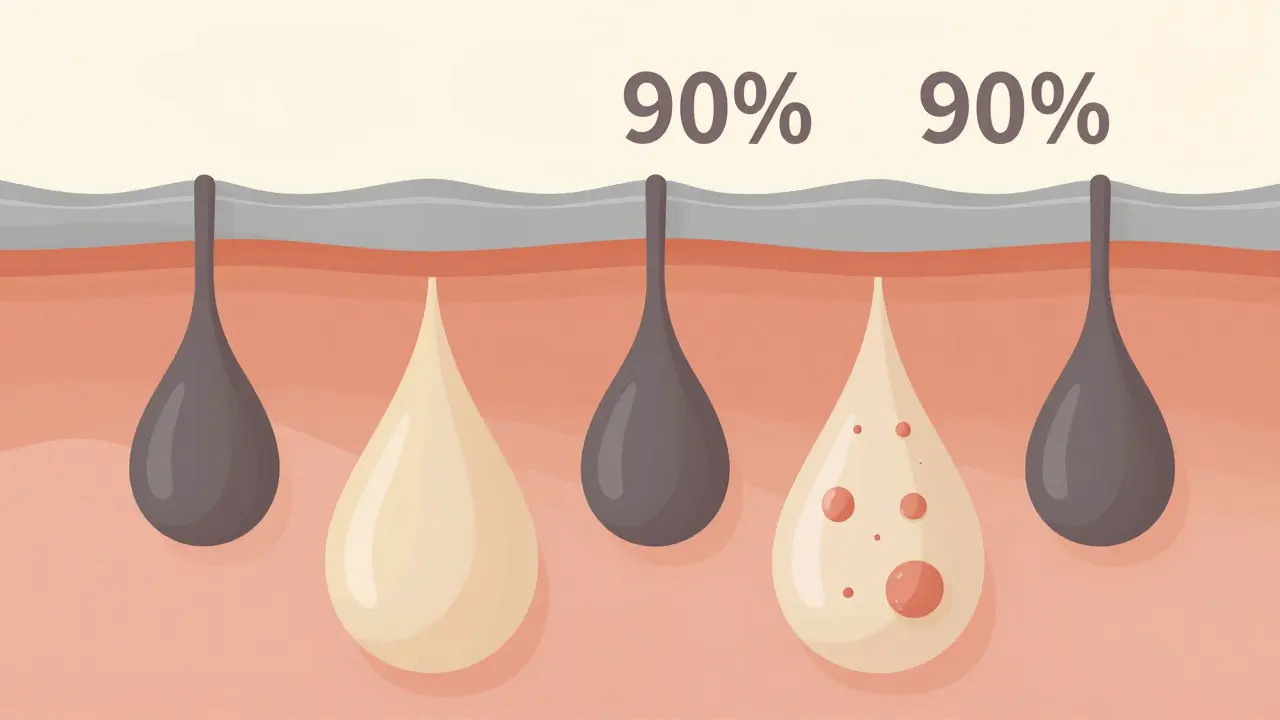
Isotretinoin is a synthetic form of vitamin A. It doesn’t just treat acne-it reprograms the system that causes it. Most acne treatments target surface bacteria or reduce oil temporarily. Isotretinoin goes deeper. It shrinks your sebaceous glands by up to 90%, which means your skin stops producing the excess oil that clogs pores and feeds acne-causing bacteria. It also stops dead skin cells from sticking together inside pores, reduces inflammation, and makes it harder for Cutibacterium acnes to survive. The result? Acne doesn’t just clear-it often disappears for good.
After a standard 5 to 8-month course, about 80% of patients never need to go back on it. That’s not just improvement. That’s remission. Some people see their skin stay clear for years, even decades. For others, a second course might be needed, but it’s rare. Compared to topical retinoids (30-40% success), oral antibiotics (50-60%), or birth control pills for hormonal acne (60-70%), isotretinoin stands alone in its ability to deliver long-term results.
How It’s Prescribed: Dosing and Duration
There’s no one-size-fits-all dose. Doctors used to push for high doses-1 mg per kg of body weight per day. But newer research shows lower doses can work just as well with fewer side effects. A 2023 review of 32 studies found that taking 0.5 mg/kg/day for one week every four weeks over six months gave an 88% satisfaction rate. For many, a fixed dose of 20 mg daily for three months was enough to clear moderate to severe acne with only a 4% relapse rate.
Most people take isotretinoin for 15 to 20 weeks, aiming for a total cumulative dose of 120-150 mg per kg of body weight. That means if you weigh 70 kg, you’d need roughly 8,400-10,500 mg total over the course of treatment. Some cases, especially very severe or scarring acne, may need 30 weeks or more. The goal isn’t just to clear your skin-it’s to deliver enough of the drug to reset your skin’s behavior long-term.
Isotretinoin comes in 10 mg, 20 mg, and 40 mg capsules. You take it with food, especially fatty meals, because it absorbs better when there’s fat in your stomach. Skipping meals or taking it on an empty stomach can make it less effective.
What Labs You Need Before and During Treatment
Because isotretinoin affects your liver, cholesterol, and blood cells, you can’t just start it without testing. Before your first prescription, your doctor will order:
- Complete Blood Count (CBC)
- Liver enzymes (ALT, AST)
- Lipid panel (total cholesterol, LDL, HDL, triglycerides)
- Pregnancy test (for anyone who can get pregnant)
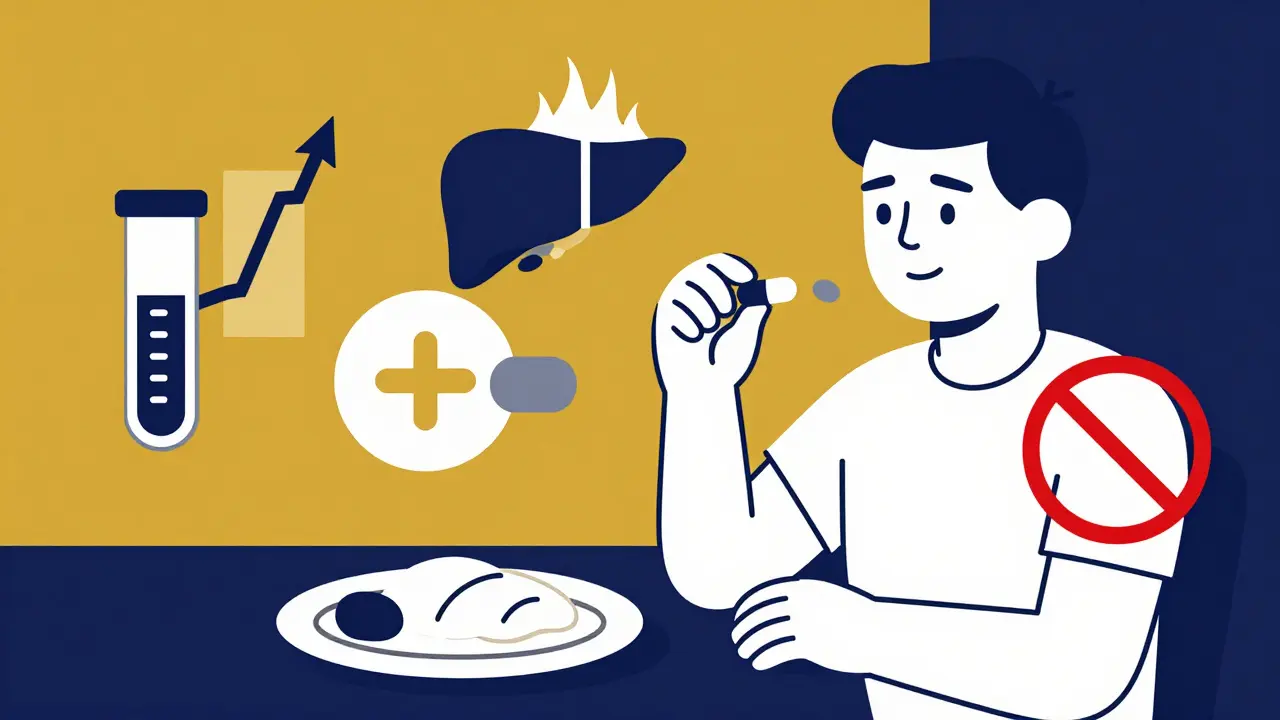
These tests get repeated every 4 to 8 weeks during treatment. Why? Because isotretinoin can raise triglycerides and liver enzymes. In about 15-20% of people, triglycerides climb high enough to require a dose reduction or temporary pause. If your liver enzymes spike, your doctor might stop the medication. These aren’t common, but they’re serious enough that skipping labs isn’t an option.
One thing patients often forget: isotretinoin doesn’t cause liver damage in healthy people. It just stresses the system a bit. Most people’s numbers return to normal after stopping. But if you drink alcohol regularly or have a history of liver disease, your doctor will be extra cautious.
The Real Side Effects-Not Just the Scary Ones
Yes, isotretinoin has risks. But most side effects are manageable. The big one everyone talks about? Birth defects. That’s why the iPLEDGE program exists in the U.S.-a strict system requiring two forms of birth control, monthly pregnancy tests, and mandatory counseling. It’s frustrating, but it’s necessary. In Europe and Australia, similar pregnancy prevention programs are in place.
Other side effects? They’re common, but not everyone gets them badly:
- Dry lips (90% of users)-this is almost universal. Use plain petroleum jelly, not flavored lip balms. Apply every few hours.
- Dry skin and itching (80%)-switch to fragrance-free, gentle cleansers and moisturizers. Avoid alcohol-based toners.
- Dry eyes (25-30%)-use preservative-free artificial tears. Avoid contacts if they feel gritty.
- Nosebleeds (15-20%)-use saline nasal spray. Don’t pick your nose.
- Muscle or joint pain (10%)-usually mild. If it’s sharp or persistent, tell your doctor.
Some people experience an acne flare in the first 1-2 months. It’s not the drug failing-it’s your skin adjusting. Your doctor might prescribe a short course of topical steroids or antibiotics to help you through it. Don’t panic. This usually clears up by week 6.
More serious side effects are rare. Inflammatory bowel disease? About 0.02% of users. Depression? Around 0.1%. There’s no proven direct link between isotretinoin and depression, but if you have a history of mood disorders, your doctor will monitor you closely. If you feel unusually down, hopeless, or have thoughts of self-harm, stop the medication and call your doctor immediately.
Who Shouldn’t Take It
Isotretinoin isn’t for everyone. You shouldn’t take it if:
- You’re pregnant or planning to become pregnant (even one month after stopping)
- You have severe liver disease
- Your triglycerides are already very high (over 500 mg/dL)
- You’re allergic to vitamin A or retinoids
- You’re taking tetracycline antibiotics (risk of increased pressure in the brain)
- You have inflammatory bowel disease like Crohn’s
Also, don’t use it for mild acne. If you have just a few blackheads or occasional pimples, topical treatments or antibiotics are safer and just as effective. Isotretinoin is reserved for severe, scarring, or treatment-resistant acne. It’s not a quick fix-it’s a last-resort tool with big results.
What Happens After You Finish
Most people see their skin improve dramatically by month 4. By month 6, many are 90% clear. After stopping, your skin doesn’t instantly go back to how it was before. Oil production stays low for months, and many people stay clear for years. Some never have another breakout.
But you’re not done. Your skin will still be dry. Keep using moisturizer. Avoid harsh scrubs. Stay out of the sun without sunscreen-your skin is more sensitive. Some people develop persistent dryness or eczema-like patches, especially around the eyes or mouth. That’s not a relapse. It’s just your skin adjusting to life without isotretinoin.
If acne comes back, it’s usually mild. Many people can manage it with a topical retinoid like adapalene. Only about 10-20% need a second course of isotretinoin. And if you do, it’s often shorter and lower dose.
The Cost and Access Reality
Generic isotretinoin costs between $150 and $400 for a 30-day supply, depending on your dose and pharmacy. That’s a lot, but it’s cheaper than years of acne treatments, dermatology visits, and scar revision procedures. Insurance usually covers it, but the iPLEDGE program adds steps. You need to register online, complete monthly counseling, and get pregnancy tests every 30 days. It’s bureaucratic, but it’s the law.
In Australia, there’s no iPLEDGE equivalent, but doctors still require strict pregnancy prevention and regular blood tests. You’ll need a specialist referral-general practitioners don’t prescribe it. Most prescriptions come from dermatologists. That’s because managing isotretinoin requires experience. You need someone who knows how to adjust doses, interpret labs, and recognize early signs of trouble.
Is It Worth It?
Ask someone who’s been through it. On Reddit, u/SkinClearJourney said: “90% clear after 5 months at 40mg daily. Dry lips? Yes. Worth it.” u/AcneStruggles89 said: “I had to stop at week 10 because of joint pain. But I was 70% better. I’d do it again if I could.”
Studies show 85-90% satisfaction among those who complete treatment. The psychological impact is huge. People report improved confidence, less social anxiety, and better relationships. For teens and young adults, it’s not just about skin-it’s about reclaiming your life.
Isotretinoin isn’t easy. It’s not fun. But for severe acne, it’s the only treatment that gives you a real shot at never looking in the mirror and seeing acne again. If you’ve tried everything else and your skin is still breaking out, it’s time to talk to a dermatologist. Not tomorrow. Now. Because the longer you wait, the more scars you risk.
Can isotretinoin cause permanent dry skin?
No, isotretinoin doesn’t cause permanent dry skin. Most side effects like dry lips, dry eyes, and peeling skin improve within a few months after stopping. But some people notice their skin stays drier than before treatment. This isn’t damage-it’s just a change in your skin’s natural oil production. Keeping up with gentle moisturizers and avoiding harsh products helps manage it long-term.
How long after isotretinoin can I get pregnant?
You must wait at least one month after your last dose before trying to get pregnant. Some doctors recommend waiting three months for extra safety, especially if you were on a high dose or had side effects. The drug clears from your system quickly, but the risk of birth defects is so severe that waiting is non-negotiable. Always confirm with your dermatologist before stopping birth control.
Can I drink alcohol while taking isotretinoin?
It’s best to avoid alcohol. Isotretinoin can raise liver enzymes, and alcohol does the same. Combining them increases your risk of liver stress. Even moderate drinking-like a glass of wine a few times a week-can add up. If you choose to drink, limit it to very occasional small amounts and tell your doctor. Regular or heavy drinking is a red flag for stopping treatment.
Does isotretinoin affect your mood?
There’s no proven cause-and-effect link between isotretinoin and depression, but some people report feeling more anxious, sad, or emotionally flat while on it. If you have a history of depression, anxiety, or suicidal thoughts, your doctor should screen you before starting. If you notice changes in your mood, don’t ignore them. Talk to your doctor right away. Stopping the medication often reverses these feelings.
What if my acne comes back after treatment?
About 10-20% of people experience some acne recurrence after finishing isotretinoin. For most, it’s mild and can be managed with topical treatments like retinoids or benzoyl peroxide. Only a small number need a second course. If your acne returns quickly and severely, your doctor might check for underlying hormonal issues, like PCOS, that could be contributing. A second course of isotretinoin is usually shorter and lower dose, with fewer side effects.
Can I get laser treatments or chemical peels while on isotretinoin?
No. Isotretinoin makes your skin thinner and more sensitive to injury. Laser treatments, chemical peels, and dermabrasion can cause scarring or slow healing. Wait at least 6 months after stopping isotretinoin before considering any aggressive skin procedures. Some dermatologists recommend waiting a full year, especially if you had scarring or inflammation during treatment.
Next Steps If You’re Considering Isotretinoin
Start by seeing a dermatologist. Bring your history: what you’ve tried, how long you’ve had acne, and how it’s affected your life. Ask for a full skin exam and ask if your acne qualifies as severe. If it does, they’ll order your baseline labs and explain the iPLEDGE process (or local equivalent). Don’t rush. Take time to read the patient guides. Talk to others who’ve been through it. Know the risks. But also know this: for severe acne, isotretinoin is still the most effective treatment we have. And for many, it’s the key to a life without hiding behind makeup or avoiding mirrors.
Lawrence Jung
January 10, 2026 AT 20:19Isotretinoin isn't magic it's just science that works when everything else fails
Prachi Chauhan
January 12, 2026 AT 15:40Been on it for 6 months now 20mg daily. Lips are cracked like desert but my skin? Clean. No more hiding in selfies. Worth every dry second.
Katherine Carlock
January 14, 2026 AT 05:01I was terrified to start this but my dermatologist was so calm and explained everything. The labs felt like a hassle but honestly they saved me from a bad reaction. If you're on the fence just talk to someone who's done it. Real talk beats scary internet stories.
Lelia Battle
January 15, 2026 AT 16:39The psychological transformation is profound. I didn't realize how much anxiety I carried until I could look in the mirror without flinching. Isotretinoin didn't just clear my skin-it cleared my mind.
Rinky Tandon
January 16, 2026 AT 17:47People say it's dangerous but they never mention how many teens are on it in India without any labs at all. Your doctor should be the one who decides not some bureaucratic system. iPLEDGE is overkill. I know someone who got pregnant on it and she didn't even know what it was.
Ben Kono
January 17, 2026 AT 22:45My triglycerides spiked to 480 and they paused my script for a month. I drank a lot of water and cut sugar and it went back down. No big deal. Just listen to your doctor and don't be a dumbass
Cecelia Alta
January 18, 2026 AT 18:56Let me just say this if you're thinking about isotretinoin because you want to look like a model on Instagram you're doing it wrong. This isn't a beauty treatment it's a medical intervention for severe disease. If you've been trying everything for years and your skin is still screaming at you then yeah maybe it's time. But if you're just tired of popping pimples every week then get a good retinoid and stop being dramatic. Also don't drink alcohol I don't care what your friend says.
Audu ikhlas
January 20, 2026 AT 00:14In Nigeria we dont have iPLEDGE but we still get results. Why do Americans make everything so complicated? You take the pill you dont get pregnant you dont drink you dont lie to your doctor. Simple. Your system is broken not the medicine.
Sonal Guha
January 20, 2026 AT 10:4180% remission rate sounds good but what about the 20% who relapse? And how many of those relapses are actually hormonal not treatment failure? You need to test for PCOS before even considering this. Most dermatologists skip this step and then blame the drug when acne comes back
gary ysturiz
January 21, 2026 AT 02:18If you're reading this and you're scared I get it. I was too. But I did it. My skin is clear after 10 months. I still use moisturizer. I still wear sunscreen. I still check in with my derm. But I can look in the mirror without crying. That's worth every side effect. You got this.
laura manning
January 21, 2026 AT 16:07It is imperative to underscore that the iPLEDGE protocol, while administratively cumbersome, is not merely a regulatory formality; it is a bioethical imperative predicated upon the teratogenic potential of isotretinoin. Failure to adhere to its stipulations constitutes a profound breach of clinical responsibility.
Alice Elanora Shepherd
January 22, 2026 AT 09:46For anyone worried about dry skin after treatment: it doesn't vanish overnight, but it does settle. I still use a ceramide cream every night, three years later. My skin isn't 'perfect' but it's healthy. And I don't need to cover it anymore. That's the real win.
Christina Widodo
January 23, 2026 AT 17:04Does anyone know if you can still get laser hair removal after isotretinoin? I want to do it but I'm scared my skin will scar. My derm said wait 6 months but I've been off for 8 and still feel cautious.