
Dose Adjustments After Switching to Generics: When Doctors Change Doses
 Apr, 10 2026
You’ve probably had this happen: you go to the pharmacy to pick up your regular medication, and the pharmacist tells you they’ve switched you to a generic version to save money. For most drugs, this is a non-event. But for a specific group of medications, a tiny change in how the drug is absorbed can be the difference between feeling great and landing in the emergency room. That is why some doctors insist on switching to generics with a very cautious, step-by-step approach, often requiring blood tests and dose tweaks along the way.
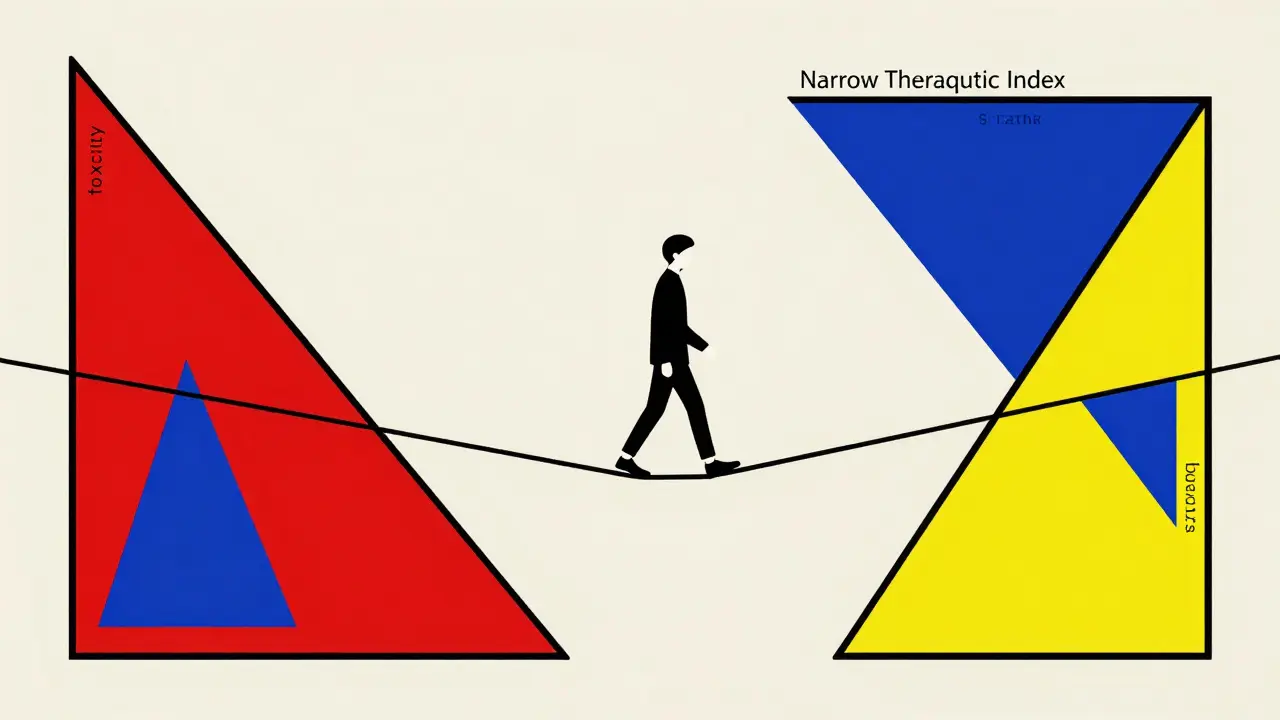
The core of the issue isn't that generics are "fake" or "bad." It's about something called the therapeutic window. Imagine a tightrope; if you stay on the rope, you're fine. If you lean too far one way, the drug doesn't work (subtherapeutic). Lean too far the other, and it becomes toxic. When a drug has a Narrow Therapeutic Index is a characteristic of drugs where small differences in dose or blood concentration can lead to serious therapeutic failures or adverse events (or NTI for short), that tightrope is incredibly thin.
Why Some Generics Need a Dose Tweak
To get a generic drug approved, the FDA is the federal agency responsible for regulating food and drug safety in the United States typically allows a bioequivalence range of 80% to 125%. For a standard blood pressure pill, a 10% difference in absorption rarely matters. But for an NTI drug, a 10% drop could mean a seizure returns or a transplant organ begins to be rejected.
Doctors often change doses after a switch because different manufacturers use different "inactive ingredients" (fillers and binders). While these don't change the drug itself, they can change how fast your body absorbs it. If your body absorbs the generic version slightly slower than the brand name, your blood levels drop, and your doctor has to increase the dose to compensate.
The High-Risk List: Drugs That Require Vigilance
Not every medication is a risk. Doctors focus their attention on a few specific classes. If you are taking any of the following, your doctor is more likely to order follow-up tests after a pharmacy switch:
- Anticoagulants: Warfarin is a classic example. Because it manages blood clotting, a small shift can cause internal bleeding or a clot.
- Antiepileptics: Drugs like Phenytoin or Carbamazepine. A dip in concentration can trigger breakthrough seizures.
- Immunosuppressants: Tacrolimus and Cyclosporine, used after organ transplants, where precision is everything.
- Thyroid Hormones: Levothyroxine. Many patients report fatigue or weight gain when switching generics because their TSH levels shift slightly.
- Cardiac Glycosides: Digoxin, which has a very narrow window between helping the heart and becoming toxic.
| Drug Entity | What's Monitored | Risk of Switch | Typical Adjustment Window |
|---|---|---|---|
| Warfarin | INR (Blood clotting time) | High (Clots/Bleeding) | 7-14 Days |
| Levothyroxine | TSH (Thyroid Stimulating Hormone) | Moderate (Hypo/Hyperthyroidism) | 6-8 Weeks |
| Tacrolimus | Trough Blood Levels | Very High (Organ Rejection) | 1-2 Weeks |
| Phenytoin | Serum Concentration | High (Seizures) | 14 Days |
How Doctors Manage the Transition
When a doctor knows a switch is happening, they don't just hope for the best. They use a process called Therapeutic Drug Monitoring is the clinical practice of measuring drug levels in the blood to maintain a constant concentration for maximum efficacy and minimum toxicity (TDM).
Here is the typical playbook for a safe switch:
- The Baseline: They check your blood levels while you're stable on the current brand.
- The Switch: You start the generic. The doctor warns you to watch for "red flag" symptoms (e.g., unexpected bruising for Warfarin users).
- The Check-In: A blood test is performed shortly after the switch (usually within 1 to 2 weeks for high-risk drugs).
- The Tweak: If the blood level is off by more than 10-20%, the doctor adjusts the dose by a small increment-often less than 20%-to bring it back into the target range.
For instance, a patient on levothyroxine might find their TSH levels rising after a switch, indicating the generic isn't as potent for them. The doctor might increase the dose by a tiny amount, like 12.5 mcg, to stabilize them again.
Real-World Friction: The Insurance Problem
If the science is clear, why is this still a problem? The biggest culprit is often the insurance company. Many pharmacy benefit managers (PBMs) force "preferred generic" switches. This means your pharmacy might change your generic manufacturer every few months based on which company is cheapest that quarter.
For a patient on a standard medication, this is invisible. For someone on an NTI drug, it's a nightmare. Every time the manufacturer changes, the absorption rate might shift slightly, potentially triggering a new cycle of blood tests and dose adjustments. This is why some doctors write "Dispense as Written" (DAW) on prescriptions for NTI drugs, essentially telling the pharmacy: "Do not switch this, regardless of cost."
Warning Signs That Your Dose Needs Adjusting
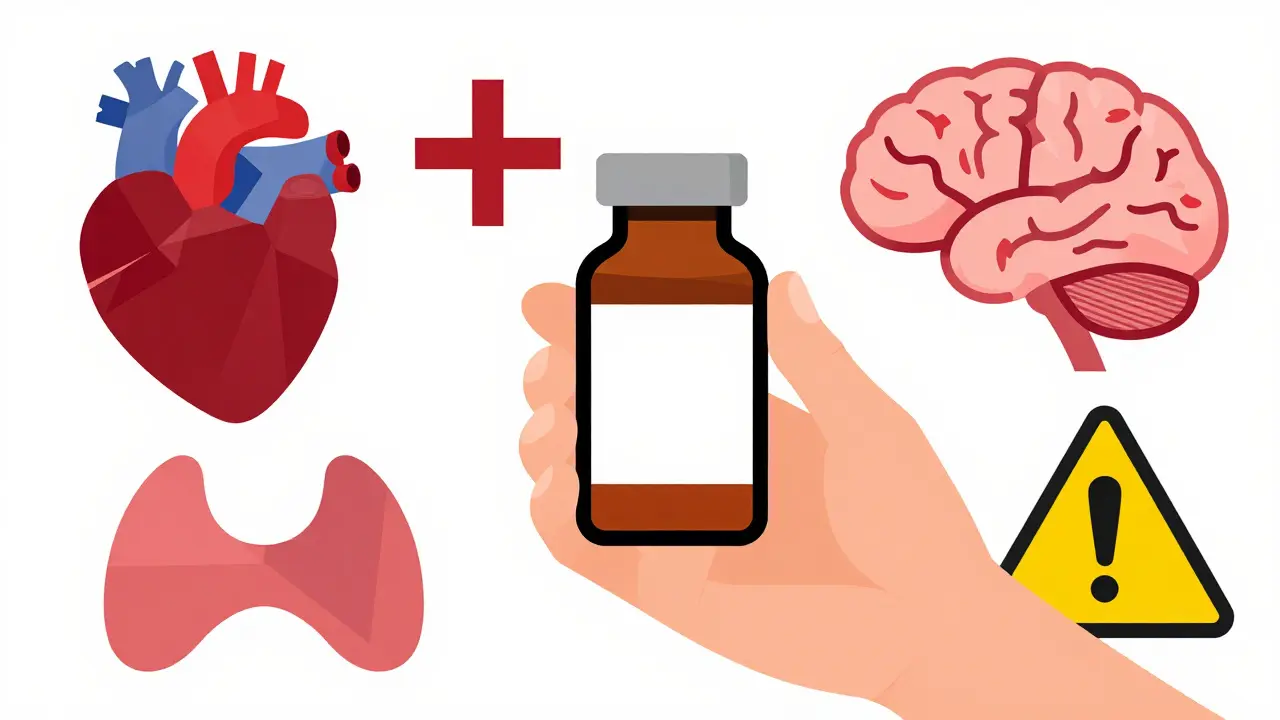
You are the first line of defense. While blood tests are the gold standard, your body often signals a problem before the lab results come back. If you've recently switched generics, watch for these subtle shifts:
- Thyroid: Sudden return of brain fog, extreme fatigue, or feeling unusually cold (signs of under-replacement).
- Epilepsy: An increase in "auras" or small breakthrough seizures that hadn't occurred in months.
- Heart: New onset of nausea or visual disturbances (can be a sign of digoxin toxicity).
- Blood Thinners: Easy bruising or small nosebleeds that won't stop (signs of over-replacement).
If you notice these, don't wait for your next scheduled appointment. Call your provider and let them know you've switched to a generic. They can order a quick blood draw to see if your levels have drifted.
Are all generic drugs less potent than brand names?
No. Most generics are therapeutically identical. The issue only arises with Narrow Therapeutic Index (NTI) drugs. For the vast majority of medications, the difference in how your body absorbs a generic versus a brand name is clinically insignificant and won't require any dose change.
Why does my doctor refuse to let me switch to a generic for my specific med?
If you are taking an NTI drug and are currently stable, your doctor may decide that the risk of instability outweighs the cost savings. The process of re-titrating your dose after a switch involves blood tests and potential symptom flare-ups, which can be dangerous for some patients.
Can I ask my pharmacist to keep the same generic manufacturer?
You can, but it's not always possible. Pharmacists are often at the mercy of their wholesalers. However, if you explain that you are on an NTI medication and are experiencing instability, they may be able to help you find a consistent source or help your doctor coordinate a "Dispense as Written" order.
How soon after a switch should I get my blood tested?
It depends on the drug. For high-risk meds like Tacrolimus or Warfarin, doctors often check levels within 7 to 14 days. For thyroid medications, it usually takes 6 to 8 weeks for a new steady state to be reached in your blood before a test is meaningful.
Does the "AB" rating in the Orange Book mean it's safe to switch?
An "AB" rating means the generic is considered therapeutically equivalent to the brand. However, for NTI drugs, even a "bioequivalent" drug can cause a clinical shift in a sensitive patient. The rating is a great guide, but it doesn't replace the need for clinical monitoring by your doctor.
Next Steps for Patients
If you are about to switch a critical medication to a generic, don't just swap the pills. First, ask your doctor if your medication is considered "Narrow Therapeutic Index." If it is, ask for a monitoring plan: "When should we do the first blood test?" and "What symptoms should I look for that mean the dose is wrong?"
If you've already switched and feel "off," keep a simple log of your symptoms and the exact name of the generic manufacturer on the bottle. This helps your doctor determine if the issue is with the drug itself or a specific manufacturer's formulation, making the dose adjustment much more accurate.