
Ciprofloxacin and Theophylline Interaction: Managing Toxicity Risks
 Apr, 24 2026
Theophylline Toxicity Risk Checker
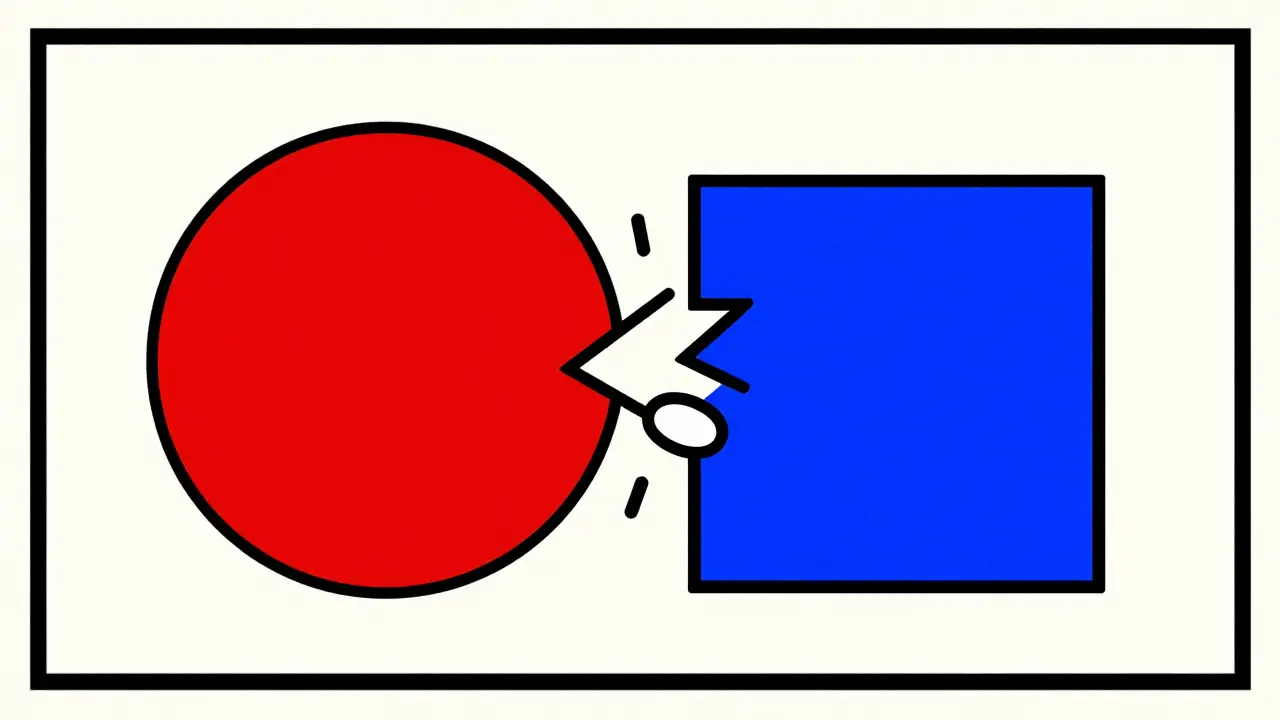
Mixing certain medications can be like playing Russian roulette with your health. One of the most dangerous examples is the combination of Ciprofloxacin is a potent fluoroquinolone antibiotic used to treat a wide range of bacterial infections and Theophylline is a methylxanthine bronchodilator primarily used to manage chronic obstructive pulmonary disease (COPD) and asthma . When these two meet in your system, the risk of toxicity doesn't just increase-it spikes. This isn't a theoretical worry; it's a well-documented clinical danger that can lead to everything from severe nausea to full-blown seizures.
Why This Combination Is Risky
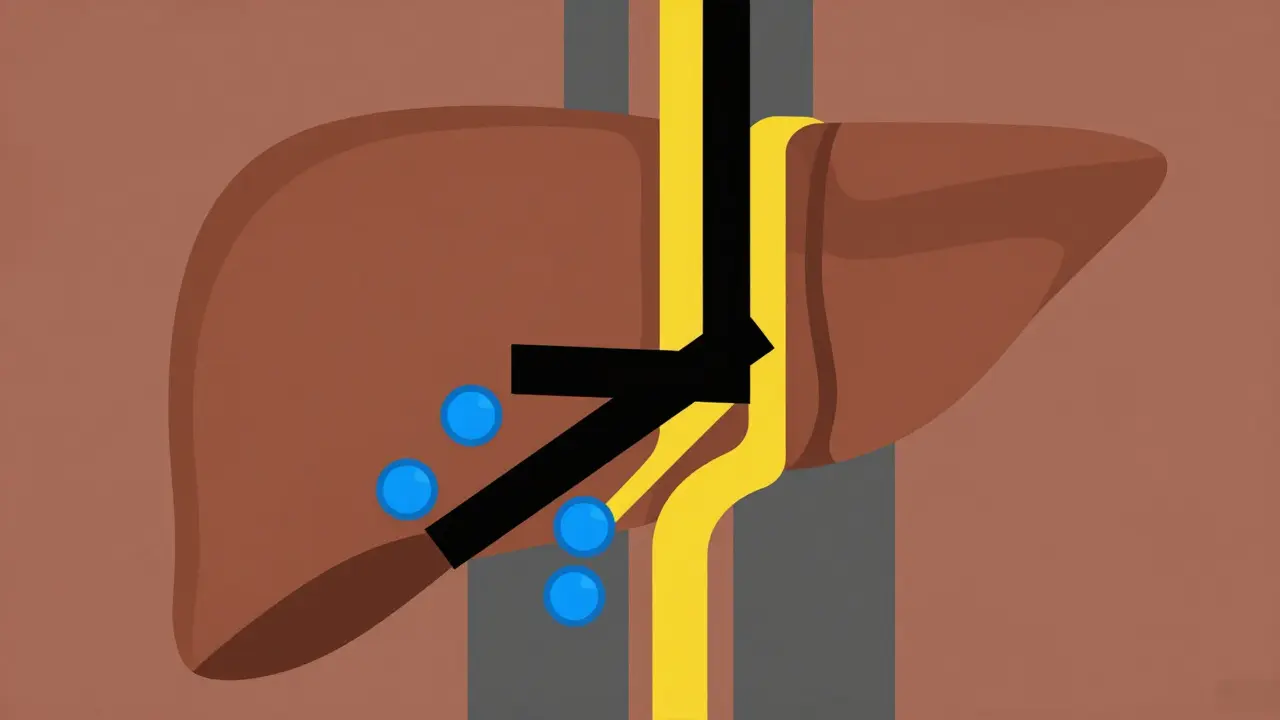
To understand why these drugs clash, we have to look at how your liver processes medication. Theophylline has what doctors call a "narrow therapeutic index." This means the gap between a dose that helps you breathe and a dose that poisons you is incredibly small. Normally, the enzyme CYP1A2 is a member of the cytochrome P450 enzyme family responsible for the metabolism of theophylline in the liver handles the breakdown of theophylline. If this enzyme is working, the drug leaves your body at a steady rate.
Ciprofloxacin acts like a blockade. It is a potent inhibitor of CYP1A2. When you take Ciprofloxacin, it essentially "turns off" the enzyme that is supposed to clear theophylline from your blood. As a result, theophylline levels climb rapidly. Research shows that Ciprofloxacin can increase the area under the curve (AUC) of theophylline by 40% to 80% and stretch its elimination half-life from about 8-9 hours to as long as 15 hours. Essentially, the drug stays in your system far longer than it should, leading to an accumulation that can quickly reach toxic levels.
Recognizing the Signs of Theophylline Toxicity
Because theophylline levels can creep up unnoticed, knowing the symptoms is a matter of safety. Toxicity is dose-dependent, meaning the worse the buildup, the more severe the symptoms. You should be on high alert if you notice any of the following while taking these medications together:
- Mild to Moderate Toxicity (20-25 mg/L): Persistent nausea, vomiting, and insomnia. You might feel unusually jittery or anxious.
- Severe Toxicity (25-30 mg/L): Tachycardia (rapid heart rate) and dangerous cardiac arrhythmias. Your heart may skip beats or race uncontrollably.
- Life-Threatening Toxicity (Above 30 mg/L): This is the critical zone where grand mal seizures can occur, even in people with no history of epilepsy.
For elderly patients, the danger is even higher. A meta-analysis in Clinical Pharmacokinetics found that theophylline clearance is reduced by about 45% in adults over 65, compared to 35% in younger people. Their livers simply can't keep up, making them far more susceptible to rapid toxicity.
| Blood Concentration | Clinical Status | Common Symptoms |
|---|---|---|
| 10-20 mg/L | Therapeutic Range | Effective bronchodilation, minimal side effects |
| 20-25 mg/L | Mild Toxicity | Nausea, vomiting, restlessness |
| 25-30 mg/L | Moderate/Severe Toxicity | Cardiac arrhythmias, severe tachycardia |
| >30 mg/L | Critical Toxicity | Seizures, coma, potential fatality |
Proven Alternatives and Safer Choices
If you are taking theophylline and need an antibiotic for a respiratory infection, Ciprofloxacin is often the last choice. Fortunately, there are other options that don't mess with your liver enzymes. For instance, Levofloxacin is a fluoroquinolone antibiotic that has a significantly lower impact on CYP1A2 than ciprofloxacin . Studies show it only causes a minor 10-15% increase in theophylline concentrations, making it a much safer bet if a fluoroquinolone is absolutely necessary.
The American Thoracic Society and other guidelines suggest several first-line alternatives for COPD patients that carry virtually no risk of this specific interaction:
- Amoxicillin-clavulanate: No significant interaction with theophylline.
- Azithromycin: Minimal to no interaction, making it a common choice for respiratory bursts.
- Moxifloxacin: Another fluoroquinolone that avoids the severe CYP1A2 inhibition seen with Ciprofloxacin.
How to Manage the Interaction if Avoidance Isn't Possible
Sometimes, Ciprofloxacin is the only drug that will work for a specific, stubborn infection. In these cases, you cannot simply take the meds and hope for the best. You need a strict management plan. The American Society of Health-System Pharmacists (ASHP) is a professional organization that provides evidence-based medication use guidelines recommends a proactive approach to prevent hospitalization.
First, your doctor should check your theophylline levels immediately before the first dose of Ciprofloxacin. Second, the theophylline dose should be preemptively reduced by 30% to 50%. This is not a suggestion; it is a necessary precaution to keep blood levels within the 10-20 mg/L window. Finally, you need frequent monitoring-ideally every 24 to 48 hours-during the combined therapy to ensure levels aren't climbing toward the toxicity zone.
It is also worth noting that genetics play a role. New research from the University of Toronto is looking at the CYP1A2*1F polymorphism. People with this specific genetic variant may see a 65% greater reduction in theophylline clearance, meaning some people are genetically predisposed to react much more violently to this drug combination than others.

Avoiding the "Alert Fatigue" Trap
One of the biggest problems in modern medicine is "alert fatigue." Most pharmacists and doctors use electronic health records that pop up a warning when Ciprofloxacin and Theophylline are prescribed together. However, a study in the European Journal of Hospital Pharmacy revealed that nearly 68% of clinicians override these alerts. They often do this because they feel the antibiotic is urgent or they believe the patient "handled it fine last time."
This is a dangerous gamble. A patient might tolerate the combination at a 250mg dose of Ciprofloxacin, but if the dose increases to 750mg, the inhibition of the liver enzyme increases significantly. The risk is dose-dependent, meaning the higher the antibiotic dose, the faster the theophylline toxicity kicks in. If you are a patient and you see your doctor dismissing this warning, it is perfectly reasonable to ask, "How are we monitoring my theophylline levels to prevent toxicity?"
Can I just lower my theophylline dose on my own?
No. Theophylline requires precise dosing to keep your airways open. Lowering it too much could trigger a severe asthma attack or COPD exacerbation. Any dose adjustment must be managed by a doctor using blood tests to ensure you stay in the therapeutic range.
Does this happen with all antibiotics?
No. This is a specific interaction between theophylline and certain inhibitors of the CYP1A2 enzyme. Many antibiotics, like amoxicillin or cefuroxime, do not affect theophylline clearance and are generally safe to use.
What should I do if I already started both medications?
Contact your healthcare provider immediately. Do not stop taking your antibiotics without a replacement, but request an urgent blood test to check your theophylline levels. Watch for nausea or a racing heart, and head to the ER if you feel confused or experience tremors.
Why is this more dangerous for elderly people?
As we age, liver and kidney function naturally decline. In the elderly, the baseline clearance of theophylline is already lower, so when Ciprofloxacin inhibits the CYP1A2 enzyme, the buildup of the drug happens much faster and more severely than in younger adults.
How long does the interaction last after stopping Ciprofloxacin?
The inhibitory effect on the liver enzyme usually wears off shortly after the antibiotic course ends. Clinical cases show that theophylline clearance typically returns to normal levels within a few days, but your doctor should still monitor your levels during the transition back to your original dose.
Next Steps for Patients and Caregivers
If you or a loved one is taking theophylline, the most important step is to maintain an updated medication list. When visiting a new clinic or an urgent care center, explicitly mention the theophylline use. Because it is not the most common drug today, some younger clinicians may not be as familiar with the Ciprofloxacin interaction as older physicians are.
If you are prescribed Ciprofloxacin, ask your doctor if a safer alternative like Levofloxacin or Azithromycin is appropriate for your specific infection. If Ciprofloxacin is the only option, ensure you have a scheduled appointment for blood work within the first 48 hours of starting the antibiotic. Early detection of a rising theophylline level can prevent a trip to the hospital.