
Chemotherapy Hypersensitivity Reactions: Signs, Risks, and What to Do
 Jan, 3 2026
When someone gets chemotherapy, they expect nausea, fatigue, or hair loss. But few realize that their body might react to the drugs like it’s under attack - even if they’ve taken the same drug before without issue. Chemotherapy hypersensitivity reactions aren’t rare. About 5% of patients on chemo will have some kind of allergic or immune response. And for some, it can turn deadly in minutes.
What Does a Chemo Allergic Reaction Feel Like?
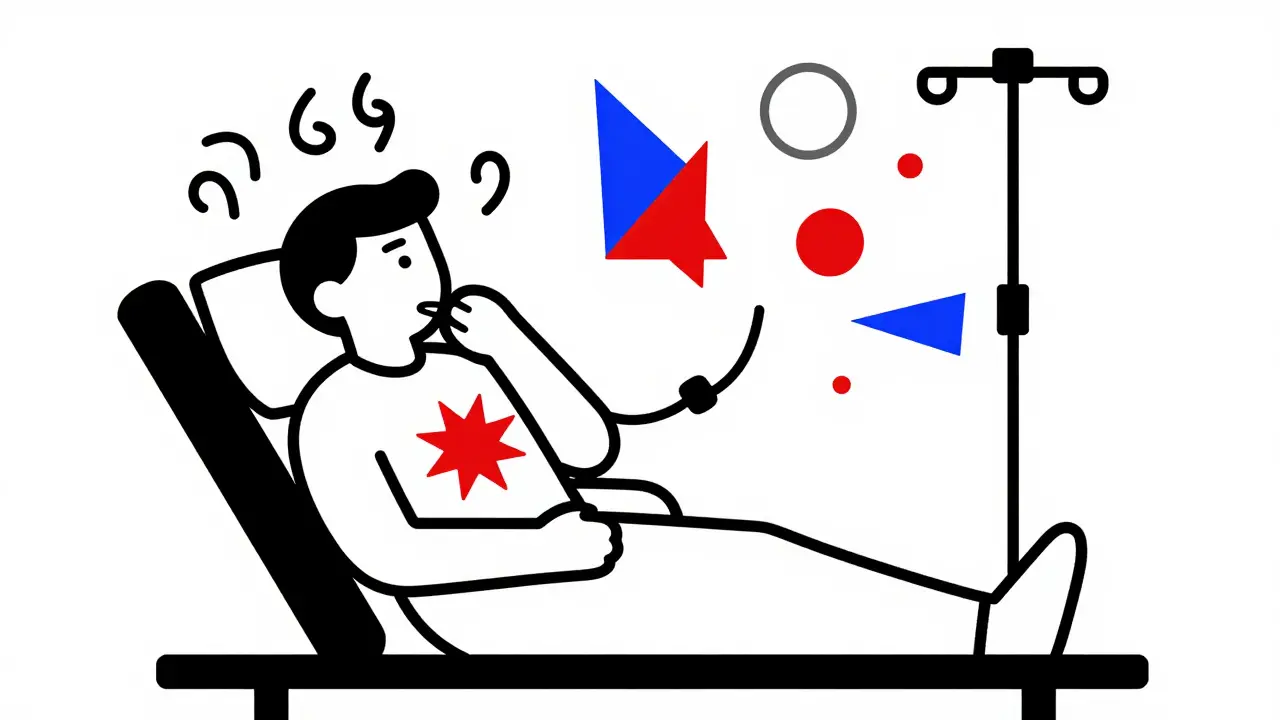
It doesn’t always look like a classic allergy. You won’t always get a rash or hives right away. Symptoms can start subtly - a tickle in your throat, a weird metallic taste, or your skin feeling warm. Then, fast.- Head and neck: Itchy eyes, swollen lips or tongue, nasal congestion, or a strange taste in your mouth.
- Respiratory: Wheezing, chest tightness, coughing, or trouble breathing. This happens in nearly half of moderate reactions.
- Cardiovascular: Dizziness, fainting, rapid heartbeat, low blood pressure (below 90 mmHg), or chest pain. In severe cases, the heart can stop.
- Gastrointestinal: Nausea, vomiting, cramps, or diarrhea - often mistaken for chemo side effects, but they can be signs of an allergic response.
- Neurological: Anxiety, panic, or the overwhelming feeling that something terrible is about to happen. This is a classic sign of anaphylaxis.
- Skin: Flushing (58% of cases), itching (72%), hives (48%), or swelling under the skin (angioedema).
- Systemic: Chills, fever, sweating, cyanosis (blue lips or fingers), or sudden collapse.
These reactions aren’t just uncomfortable - they’re dangerous. A patient might feel fine during the first 10 minutes of their infusion, then suddenly develop wheezing and low blood pressure by minute 20. That’s why monitoring doesn’t stop when the bag runs empty.
Which Chemo Drugs Cause the Most Reactions?
Not all chemo drugs are equal when it comes to triggering allergies. Some are notorious. Platinum-based drugs like carboplatin and oxaliplatin, and taxanes like paclitaxel and docetaxel, are the top offenders.Carboplatin is especially tricky. Less than 1% of patients react during the first five cycles. But by the sixth cycle, that jumps to 6.5%. After seven or more cycles? Risk hits 27%. And in retreatment settings - when the drug is used again after a break - it can soar to 44%. Most reactions happen after about eight infusions.
Oxaliplatin causes reactions in about 19% of patients, but only 1.6% of those are severe. Taxanes like paclitaxel trigger reactions in up to 20% of patients, especially if given too fast. Other high-risk drugs include:
- Liposomal doxorubicin
- L-asparaginase
- Procarbazine
- Etoposide
- Bleomycin
- Cytarabine
- Monoclonal antibodies: cetuximab, rituximab, trastuzumab, panitumumab
Even contrast dye used in imaging can cause similar reactions in cancer patients. That’s why doctors ask about past reactions to X-ray dye - it’s not just a formality.
When Do Reactions Happen?
Timing matters. Most reactions happen during or within a few hours of the infusion. But some can show up 1-2 days later. That’s why patients are told to call their oncology team if they feel strange the next day - even if they thought the infusion went fine.For most drugs, reactions are more likely after the first or second treatment. But with carboplatin, it’s the opposite. The more times you get it, the higher the risk. That’s because your immune system slowly starts recognizing the drug as a threat - like building up a tolerance to poison instead of immunity.
Rapid infusion rates make things worse. If the drug goes in too fast, your body doesn’t have time to react gradually. It gets hit all at once. That’s why slow infusions are standard after a prior reaction.
How Do Doctors Know It’s an Allergy?
It’s not just about symptoms. Doctors use guidelines to tell the difference between a true allergic reaction and a non-allergic infusion reaction - which can look identical but need different treatment.Anaphylaxis requires at least two of these:
- Sudden skin or mucosal changes (hives, swelling, flushing)
- Respiratory distress (wheezing, low oxygen)
- Low blood pressure or dizziness
- GI symptoms (vomiting, cramps) with exposure to a likely trigger
Lab tests can help confirm it:
- Serum tryptase above 11.4 ng/mL (peaks 1-2 hours after reaction)
- Eosinophil count over 500 cells/μL
- Specific IgE testing for the drug (if available)
- Basophil activation test (CD63/CD203c markers) - used in research settings
But here’s the catch: you don’t wait for test results to treat it. If a patient is crashing, you treat for anaphylaxis - now. Delaying epinephrine because you’re waiting for a lab result can be fatal.
What Happens When a Reaction Occurs?
Treatment depends on how bad it is.Mild Reaction (Grade 1-2):
- Stop the infusion
- Give diphenhydramine (25-50 mg IV)
- Give dexamethasone (10-20 mg IV)
- Monitor vitals - heart rate, blood pressure, oxygen
- Resume infusion slowly only after symptoms fully resolve
Moderate to Severe Reaction (Grade 3-4):
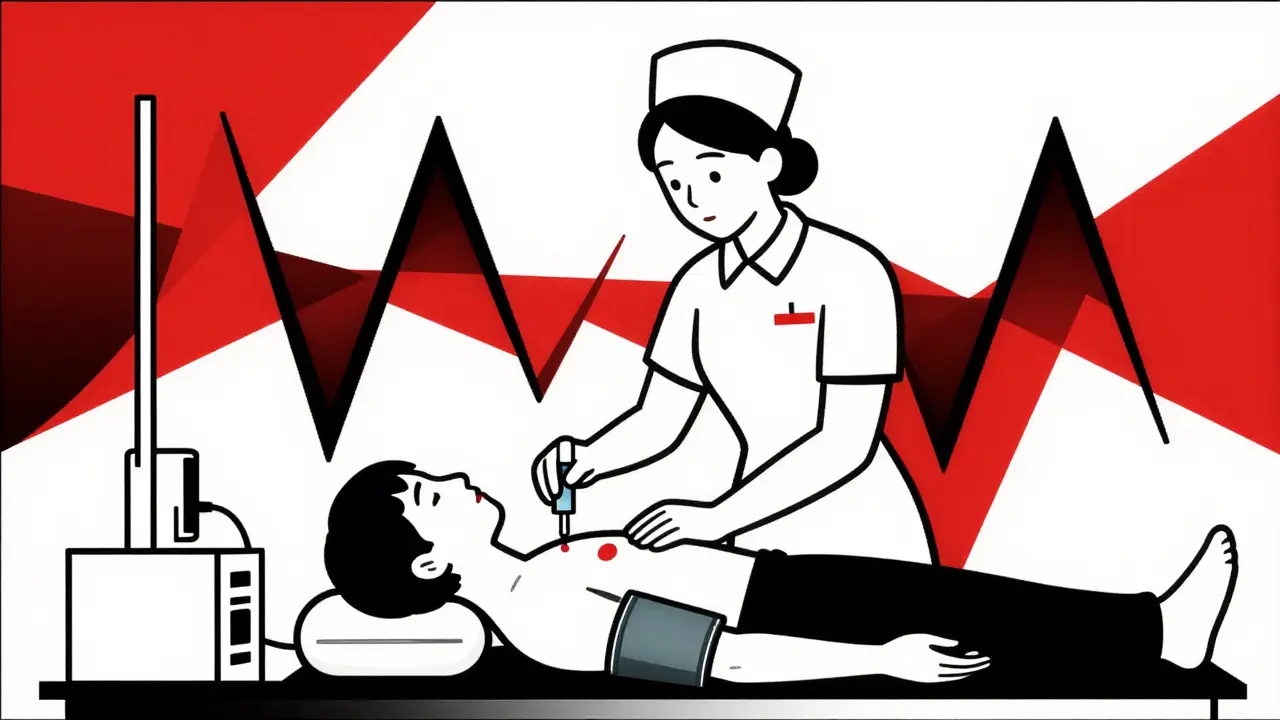
- STOP the infusion immediately
- Give epinephrine: 0.3-0.5 mg of 1:1,000 solution injected into the thigh muscle
- Repeat every 5-15 minutes if symptoms don’t improve
- Put patient flat on their back, legs raised (to improve blood flow)
- Give oxygen (4-6 L/min via nasal cannula)
- Start IV fluids (1-2 liters of normal saline)
- Call for emergency help - this is a code situation
- Watch for airway swelling - if tongue or throat is swelling, prepare for intubation
Angioedema - deep swelling under the skin - is especially dangerous. It can block the airway without warning. That’s why nurses are trained to check the patient’s throat and voice every few minutes during high-risk infusions.
Can You Still Get Chemo After a Reaction?
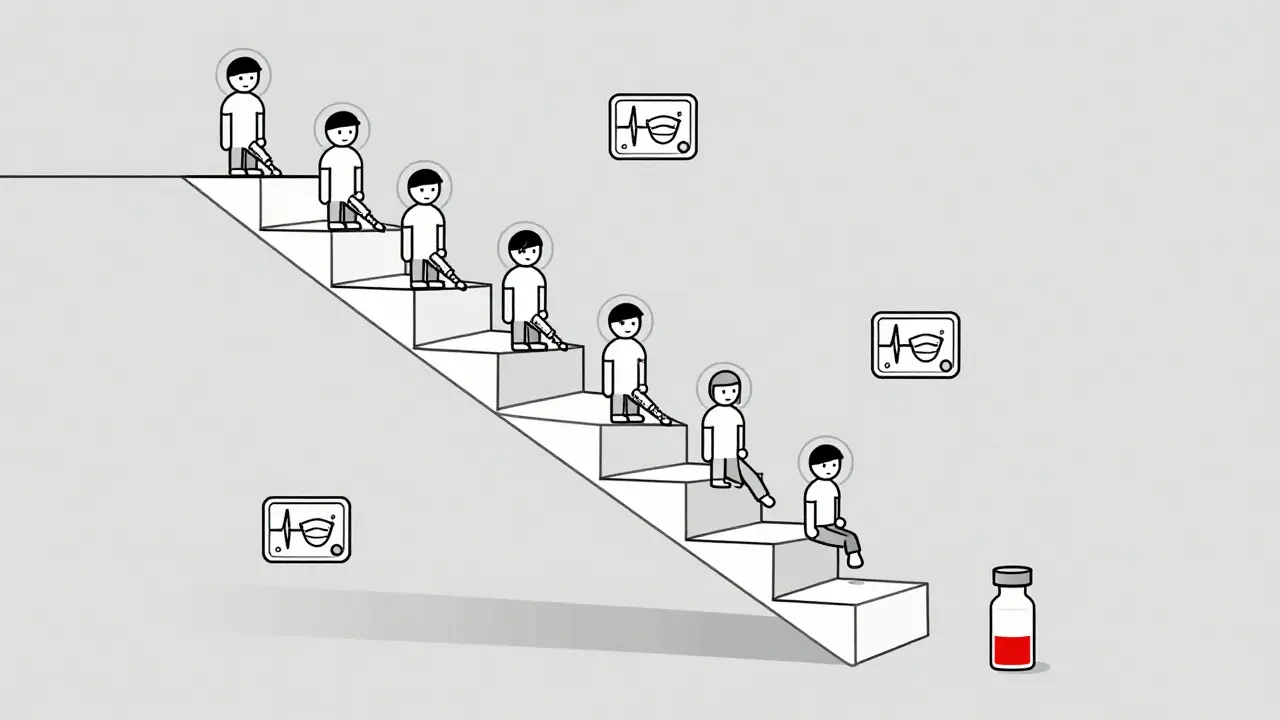
Yes - but only under strict supervision. For many patients, the drug is the best option. Stopping it means giving up on treatment.Desensitization is the solution. It’s a slow, controlled process where tiny amounts of the drug are given over 4 to 12 hours, gradually increasing the dose. The body learns to tolerate it - like building immunity through tiny, safe exposures.
This is done in a monitored setting - ICU or specialized infusion center - with emergency equipment ready. Nurses stay with the patient the whole time. Vital signs are checked every 5 minutes.
It works for about 80-90% of patients who’ve had mild-to-moderate reactions. But if someone had a full anaphylactic reaction with cardiac arrest or airway collapse, doctors usually avoid re-exposure entirely.
How Are Reactions Prevented?
Prevention starts before the first dose.For taxanes like paclitaxel, premedication is standard:
- Dexamethasone: 20 mg IV - 12 hours and 6 hours before infusion
- Diphenhydramine: 50 mg IV - 30 minutes before
- Famotidine: 20 mg IV - 30 minutes before
This combo cuts reaction rates by over 70%. For carboplatin, some centers give similar premeds, especially if the patient has had a prior reaction.
Other key prevention steps:
- Slower infusion rates after any prior reaction
- Using alternative drugs when possible (e.g., nab-paclitaxel instead of regular paclitaxel)
- Keeping emergency kits nearby - epinephrine, antihistamines, steroids, airway tools - always available in infusion rooms
- Training every nurse, tech, and doctor to recognize early signs - not just the obvious ones
Patients also play a role. Tell your nurse if you’ve ever had a reaction to any drug - even penicillin or contrast dye. Say something if you feel odd - even if you think it’s "just fatigue." That metallic taste? That flush? That weird anxiety? Those are red flags.
Why This Matters More Than You Think
Chemotherapy saves lives. But allergic reactions kill - quietly, fast, and often preventably.One study found that 70% of fatal chemo reactions happened because staff didn’t recognize the early signs. They thought it was anxiety, nausea, or a bad reaction to pain meds. They waited. And by the time they gave epinephrine, it was too late.
Every oncology unit in Australia, the U.S., Europe - everywhere - should have an anaphylaxis protocol posted. Every nurse should know where the emergency kit is. Every patient should know what to say when something feels wrong.
This isn’t about fear. It’s about preparedness. Cancer treatment is hard enough. You shouldn’t have to fear the medicine meant to save you.
Can you have a chemo allergy even if you never had one before?
Yes. Many patients have their first reaction after several treatments. The immune system can start recognizing the drug as foreign over time. Carboplatin, for example, rarely causes a reaction in the first five cycles - but by cycle 8, nearly 1 in 4 patients will react. It’s not about past allergies - it’s about cumulative exposure.
Is a chemo reaction the same as a side effect?
No. Side effects like nausea or fatigue are direct results of the drug killing fast-growing cells. A hypersensitivity reaction is your immune system overreacting to the drug like it’s a virus or toxin. It’s an allergic response, not a toxic one. The symptoms can overlap, but the treatment is different - especially when epinephrine is needed.
How long do you have to wait before restarting chemo after a reaction?
It depends on severity. For mild reactions, doctors may restart the same drug after symptoms fully resolve - often within 24-48 hours, but at a slower rate. For severe reactions, they usually pause for weeks or months. If they plan to reuse the drug, they’ll use a desensitization protocol. Never restart without medical supervision.
Can you be tested for chemo allergies before treatment?
Not reliably. Unlike penicillin, there’s no routine skin test for most chemo drugs. Blood tests for IgE or tryptase can help confirm a reaction after it happens, but they can’t predict one. The best tool is your history - and watching closely during the first few infusions.
What should you do if you feel something strange during chemo?
Speak up - immediately. Say: "I’m feeling strange," "My throat is tight," or "I’m dizzy." Don’t wait to see if it gets worse. Don’t assume it’s just nerves. Nurses are trained to respond to early signs. The sooner they act, the safer you are. Your voice could save your life.
Are chemo reactions more common in certain people?
Yes. People with a history of allergies, asthma, or reactions to contrast dye are at higher risk. Women also report reactions more often than men, though the reason isn’t fully understood. Age doesn’t matter - reactions can happen to anyone, even children. The biggest risk factor? Number of previous doses - especially with platinum drugs.
Shanna Sung
January 3, 2026 AT 14:53Brendan F. Cochran
January 4, 2026 AT 00:12jigisha Patel
January 4, 2026 AT 01:08Ethan Purser
January 5, 2026 AT 19:24Doreen Pachificus
January 6, 2026 AT 20:51en Max
January 7, 2026 AT 20:16Angie Rehe
January 8, 2026 AT 22:01Enrique González
January 9, 2026 AT 23:49Aaron Mercado
January 11, 2026 AT 14:59