
Cancer Chemotherapy Safety: How to Handle and Administer Antineoplastic Drugs Correctly
 Dec, 18 2025
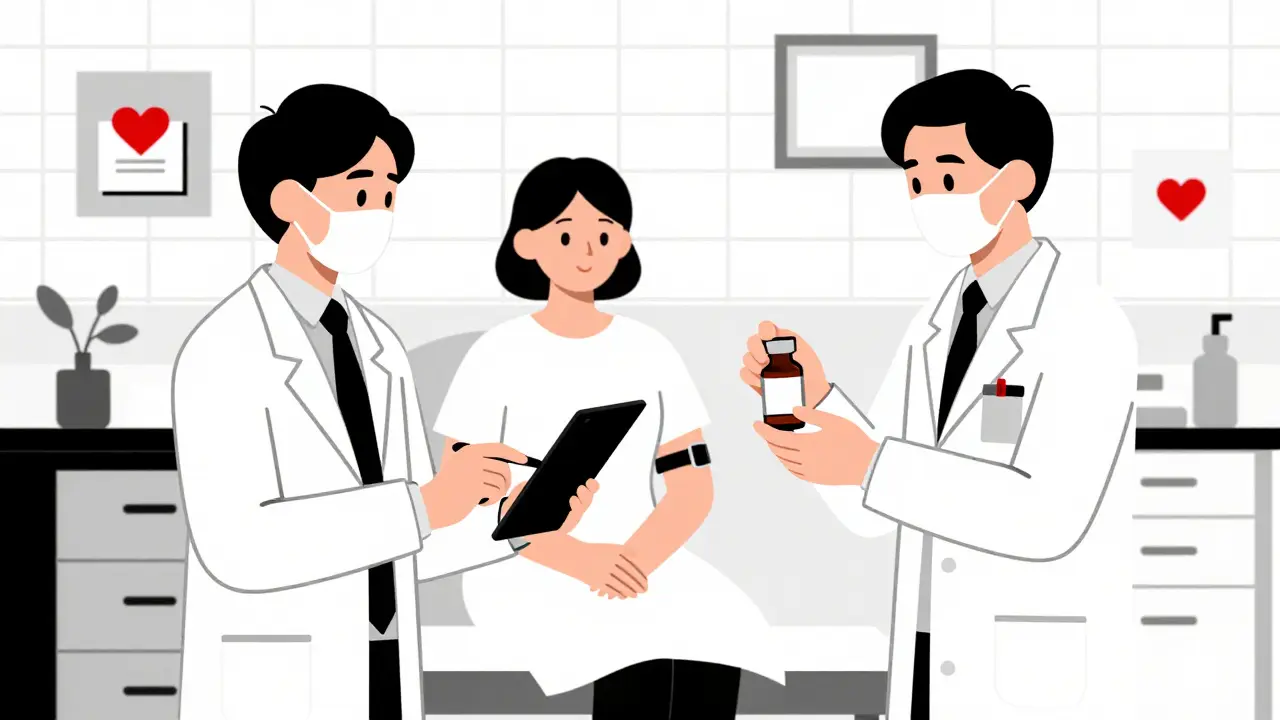
When you or someone you care about is undergoing chemotherapy, the focus is often on how well the treatment works. But behind every dose given, there’s a complex, high-stakes process designed to keep everyone safe - patients, nurses, caregivers, even the people cleaning the room. Chemotherapy drugs aren’t just strong; they’re dangerous. Even small spills or improper handling can lead to serious health risks. This isn’t about fear. It’s about knowing exactly how to do it right.
Why Chemotherapy Is Different From Other Medications
Most pills or injections you take at home are designed to be safe for regular handling. Chemotherapy drugs are not. These are powerful chemicals meant to kill fast-growing cells - cancer cells. But they don’t always know the difference. They can harm healthy cells too. And if they get on your skin, inhaled as a mist, or accidentally ingested, they can cause long-term damage - including infertility, nerve damage, or even secondary cancers in healthcare workers.
The 2024 update from ASCO and Oncology Nursing Society (ONS) officially changed the term from “chemotherapy” to “antineoplastic therapy” to reflect that today’s treatments include targeted drugs, immunotherapies, and antibody-drug conjugates - not just traditional chemo. All of them carry the same level of risk. That’s why safety rules now apply to every single drug given in oncology.
The Four Pillars of Safe Administration
The latest standards break safety down into four non-negotiable areas. Skip any one, and the risk goes up.
- Safe Environment - Treatment rooms must have proper ventilation, dedicated areas for drug prep, and engineering controls like closed-system transfer devices (CSTDs). These aren’t luxuries. They’re required. A CSTD prevents drug vapors from escaping during mixing or transferring. Without it, even a small spill can contaminate surfaces for days.
- Patient Consent and Education - Before the first dose, patients must understand exactly what they’re getting: the drug name, dose, how long treatment will last, and what side effects to watch for. This isn’t just paperwork. It’s part of safety. If a patient doesn’t know what’s normal, they won’t report a dangerous reaction in time.
- Ordering, Preparing, and Administering - This is where most errors happen. The 2024 update added a mandatory fourth verification step. Before the drug is given, two licensed staff members must check the patient’s name, date of birth, drug, dose, and route - in front of the patient. No shortcuts. No “I’m sure this is right.” This step alone cut patient identification errors by 18% in the 2022 NCCN database.
- Monitoring During and After - Some newer drugs, especially immunotherapies, can trigger cytokine release syndrome (CRS) - a dangerous immune overreaction. Symptoms include high fever, low blood pressure, trouble breathing. Hospitals now must have antidotes like tocilizumab ready at all times. If CRS isn’t treated within an hour, mortality rates jump to 12-15%.
What Staff Must Wear - And Why
Forget regular gloves. You need chemotherapy-tested double gloves. Not just any gloves. They must be tested to resist permeation by hazardous drugs. NIOSH has specific testing protocols. The outer glove is changed every 30 minutes, or immediately if torn. The inner glove stays on. Why two? Because studies since 1992 show contamination transfers from the outer glove to skin in under 10 minutes.
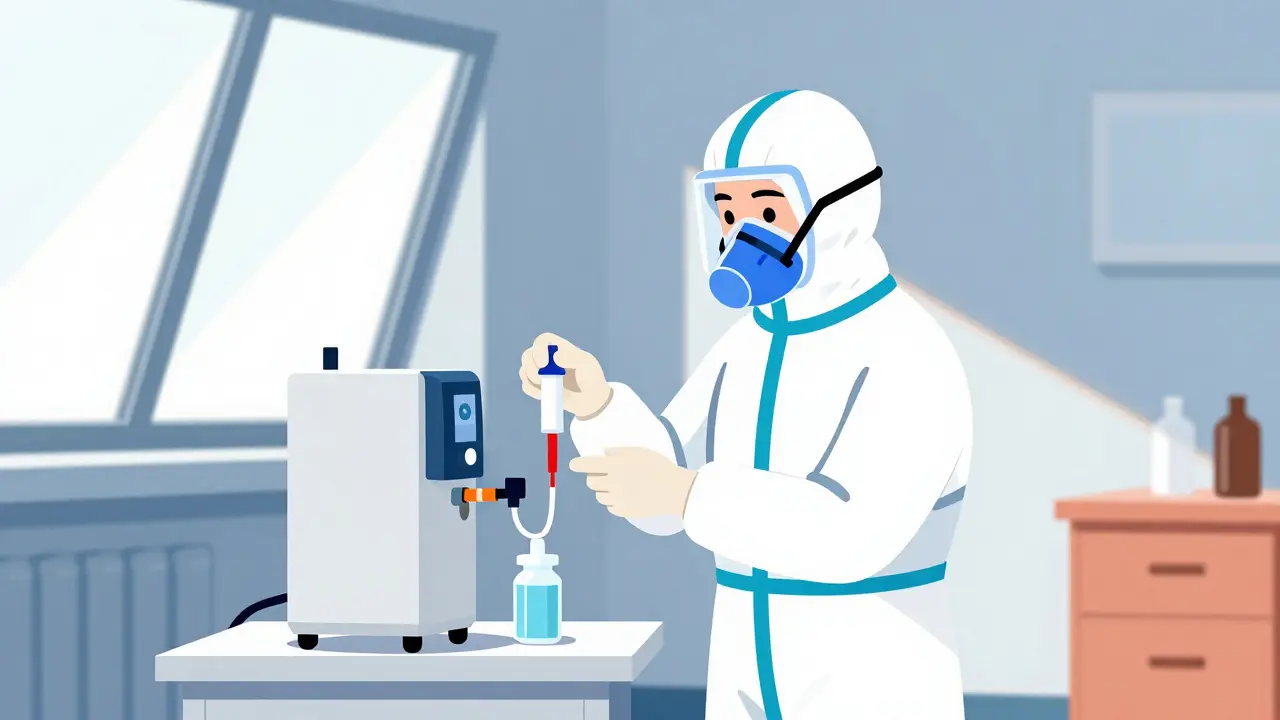
Eye protection is required if splashing is possible. Gowns must be impermeable - not just any lab coat. They’re single-use and discarded after each procedure. Respirators are needed when aerosols are likely - like when drawing up drugs from vials or cleaning spills.
And here’s the hard truth: everything you wear during chemo handling is contaminated. Even if it looks clean. That’s why you never take your gown or gloves into the break room. No one should ever touch a used PPE item without proper disposal training.
Home Chemotherapy: A Hidden Risk
More patients are getting chemo at home now. It’s convenient. But it’s also risky. The American Cancer Society found that 22% of home care incidents involve improper disposal of hazardous waste. That means syringes, IV bags, even tissues with bodily fluids are tossed in regular trash.
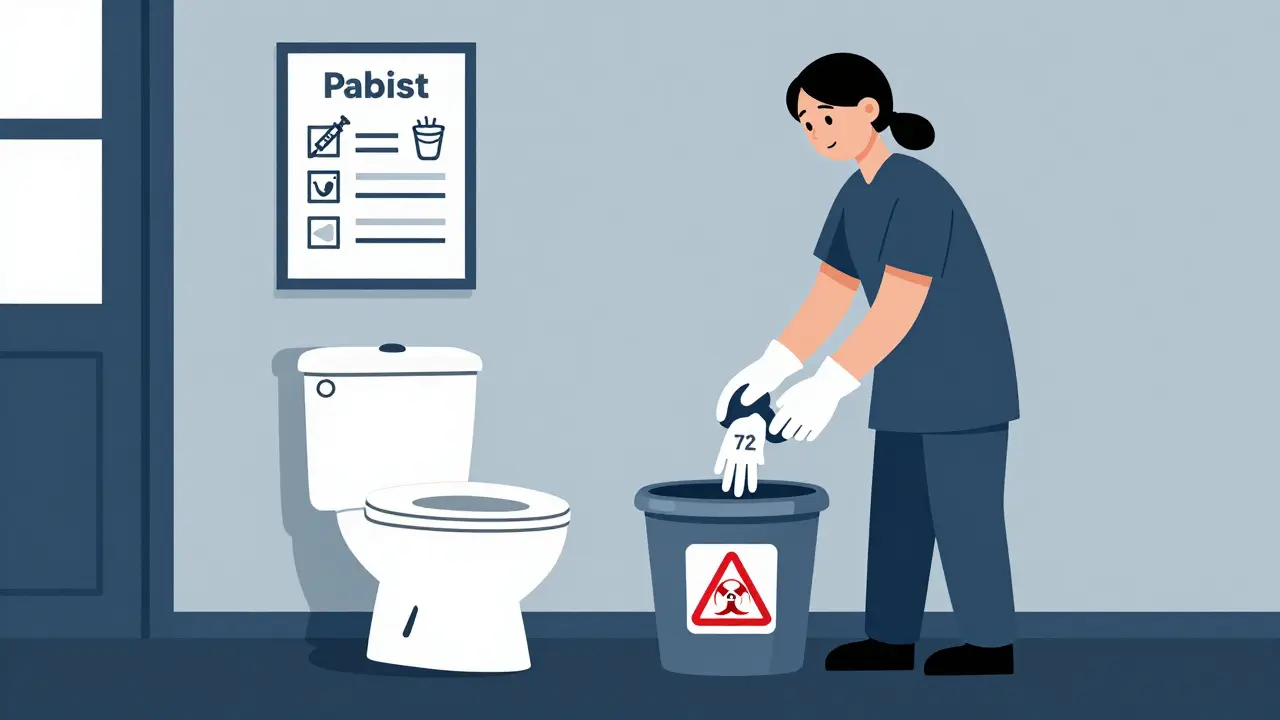
Post-treatment bodily fluids - urine, vomit, sweat - can contain active drugs for up to 72 hours. Caregivers need clear instructions: wear gloves when cleaning up, flush toilets twice, wash linens separately, and use a dedicated sharps container. Yet, 65% of home caregivers say they feel unprepared.
Facilities that use the ASCO-developed “Chemotherapy Safety at Home” toolkit report a 41% drop in caregiver safety concerns. That toolkit includes visual guides, checklists, and a 24/7 hotline. It’s not optional. It’s essential.
The Real Cost of Getting It Right
Implementing full safety standards isn’t cheap. A medium-sized oncology clinic needs $22,000-$35,000 for facility upgrades - ventilation, CSTDs, dedicated prep rooms. Another $8,500-$12,000 for staff training. Annual PPE and waste disposal costs $4,200-$6,800. Electronic health record systems often need custom builds - $15,000 to $40,000 - just to support the four-step verification process.
But the cost of not doing it? Higher. Facilities with full compliance see 63% fewer medication errors and 78% fewer occupational exposures. OSHA issued 142 citations for hazardous drug violations in 2022 - each averaging $14,250. And that’s just the fines. Think about lost staff, lawsuits, and the human toll of preventable harm.
Who’s Falling Through the Cracks?
Not every clinic can afford the latest CSTDs or full-time safety coordinators. Dr. Sarah Temkin’s 2022 study found that 43% of rural cancer programs can’t meet CSTD requirements. That means patients in those areas are getting the same powerful drugs, but with less protection for the staff giving them.
It’s not just about money. Nurses report the fourth verification step adds 7-10 minutes per patient. In busy clinics, that’s a huge strain. One nurse on Reddit said, “We’re doing it, but errors haven’t gone down.” That’s a red flag. If the system feels like a burden, people cut corners.
And here’s another silent problem: only 41% of nurses who are exposed to chemo drugs actually report it. Why? Fear of being blamed, or told they’re “not careful enough.” That means the real number of exposures is much higher than official records show.
What’s Coming Next
The National Comprehensive Cancer Network (NCCN) will start requiring proof of fourth verification and CRS protocols for facility accreditation in January 2025. That’s a game-changer. It means hospitals won’t just be encouraged to follow the rules - they’ll be audited on them.
Pilot programs are testing AI-powered verification systems. Imagine a tablet that scans the patient’s wristband, checks the drug label, and confirms the dose - all in seconds. It’s not science fiction. Twelve NCI-designated centers are testing these tools in late 2024.
By 2026, a national certification for chemotherapy administration may become mandatory. No more “I’ve been doing this for 15 years.” You’ll need to prove you know the current standards - with a test and a practical exam.
What You Can Do
If you’re a patient: Ask your nurse, “Do you use two gloves? Do you check my ID twice before giving the drug?” Don’t be shy. Your safety depends on it.
If you’re a caregiver: Get the ASCO “Chemotherapy Safety at Home” guide. Know where to find the spill kit. Don’t handle sharps bare-handed. Flush twice. Wash clothes separately.
If you’re a healthcare worker: Report every exposure. No matter how small. Your health matters. Push for training. Advocate for the tools you need. You’re not just giving a drug - you’re protecting lives, including your own.
Chemotherapy saves lives. But it can also hurt them - if handled carelessly. The standards exist for a reason. They’re based on decades of data, real incidents, and hard lessons. Following them isn’t about bureaucracy. It’s about respect. For the patient. For the nurse. For everyone involved.
What personal protective equipment (PPE) is required when handling chemotherapy drugs?
Double chemotherapy-tested gloves, impermeable gowns, eye protection if splashing is possible, and respiratory protection for aerosol risks. Gloves must be changed every 30 minutes or immediately if torn. All PPE is considered contaminated after use and must be disposed of as hazardous waste.
What is the fourth verification step in chemotherapy administration?
Before administering chemotherapy, two licensed clinicians must verify the patient’s identity (using two identifiers like name and date of birth), drug, dose, route, and timing - all in the patient’s presence. This step, mandated in the 2024 ASCO/ONS guidelines, reduces medication errors caused by misidentification.
Why are closed-system transfer devices (CSTDs) important?
CSTDs prevent hazardous drug vapors and droplets from escaping during mixing, transferring, or disposing of chemotherapy. They reduce occupational exposure by up to 95% compared to open systems, protecting nurses and pharmacists from long-term health risks.
How long do chemotherapy drugs remain active in bodily fluids after treatment?
Active chemotherapy drugs can be present in urine, vomit, sweat, and other bodily fluids for up to 72 hours after treatment. Caregivers must use gloves when cleaning, flush toilets twice, and wash linens separately during this period.
What is cytokine release syndrome (CRS), and why does it matter in chemotherapy safety?
CRS is a severe immune reaction triggered by some immunotherapies and newer targeted drugs. Symptoms include high fever, low blood pressure, and breathing difficulties. If not treated immediately with drugs like tocilizumab, mortality rates can reach 12-15%. Hospitals must now have CRS antidotes immediately available during administration.
Are home caregivers properly trained to handle chemotherapy?
No - 65% of home caregivers report feeling unprepared, even with written materials. The biggest concerns are handling bodily fluids (82%) and disposing of sharps (76%). Facilities using the ASCO “Chemotherapy Safety at Home” toolkit see a 41% reduction in caregiver safety concerns.
What are the financial costs of implementing chemotherapy safety standards?
A medium-sized oncology clinic needs $22,000-$35,000 for facility upgrades, $8,500-$12,000 for staff training, and $4,200-$6,800 annually for PPE and waste disposal. EHR modifications cost $15,000-$40,000. But facilities with full compliance reduce medication errors by 63% and occupational exposures by 78%.
Why do some nurses not report chemotherapy exposure incidents?
Only 41% of exposed nurses report incidents. Common reasons include fear of being blamed, concerns about job security, or believing the exposure was too minor to matter. Underreporting hides the true scale of risk and prevents systemic fixes.
Kathryn Featherstone
December 20, 2025 AT 03:11Just wanted to say thank you for laying this out so clearly. I’m a nurse who’s been doing this for 12 years, and I’ve seen too many corners cut. The double-glove rule? Non-negotiable. I’ve had coworkers get rashes from ‘just a quick spill.’ It’s not dramatic - it’s biology. And yes, we’re all tired. But if we don’t protect each other, who will?
Guillaume VanderEst
December 20, 2025 AT 18:55Okay but let’s be real - this whole thing is a money grab. Hospitals charge $2000 for a chemo bag, then act like they’re saints because they bought a $15,000 CSTD. Meanwhile, my cousin in Saskatchewan got her treatment in a converted storage closet with latex gloves from Walmart. She’s alive, isn’t she? Maybe we should stop scaring people and start trusting them.
Kinnaird Lynsey
December 22, 2025 AT 12:16Guillaume, your comment is the exact reason we have protocols. ‘She’s alive’ doesn’t mean she’s not at risk for secondary leukemia in 10 years. And no, Walmart gloves aren’t tested for permeation by vinca alkaloids. This isn’t about fear - it’s about data. NIOSH has been warning us since the 90s. Ignoring it because it’s inconvenient? That’s not trust. That’s negligence wrapped in a ‘keep it simple’ bow.
shivam seo
December 23, 2025 AT 06:25US and Canada are so overregulated. In India, we give chemo with bare hands and still get better survival rates. All this PPE drama is just western guilt. Also, why are we paying for AI verification? Just use a checklist. And stop making nurses feel guilty for breathing near a vial. They’re not radioactive.
Dev Sawner
December 25, 2025 AT 00:30It is imperative to underscore that the non-adherence to standardized safety protocols constitutes a gross dereliction of professional duty. The ASCO-ONS guidelines are not suggestions; they are evidence-based mandates derived from longitudinal cohort studies and occupational epidemiology. The assertion that ‘bare hands are acceptable’ is not merely incorrect - it is an affront to the scientific method and the ethical foundations of clinical practice. Furthermore, the invocation of anecdotal outcomes as justification for systemic negligence is logically fallacious and morally indefensible.
Moses Odumbe
December 25, 2025 AT 06:12Bro. The 4-step verification? 🤯 I saw a nurse skip it once. I swear I saw the patient’s name tag say ‘John Doe’ but the chart said ‘Jane Doe’ - and she still pushed the drug. 😳 Thank god it was a typo and not a mix-up. But yeah, AI scanners are coming. 🤖💉 I’m ready. Let’s make this foolproof. #ChemoSafety #NoMoreMistakes
Meenakshi Jaiswal
December 26, 2025 AT 00:03As a nurse in Mumbai, I can confirm - even in low-resource settings, we adapt. We use double gloves if we have them. If not, we double-bag syringes and wash hands with antiseptic after every dose. We teach families to flush twice and wear gloves when cleaning vomit. It’s not perfect, but it’s better than nothing. The ASCO toolkit? We printed it in Hindi and pinned it to the wall. No one’s perfect, but we try. And we need more support - not judgment.
bhushan telavane
December 26, 2025 AT 20:31Just came back from my uncle’s chemo session in Delhi. The nurse wore one glove, no gown, and didn’t even check his ID. He’s fine now, but I’m scared for the next one. We don’t have CSTDs here. But we do have pride. Maybe if someone from the West sent us those visual guides? Not money - just the knowledge. We’ll figure out the rest.